
Views: 269 Author: Youti Clothing Publish Time: 2026-09-11 Origin: Site


Content Menu
● What Is the Best Fabric for a Dress Shirt?
● Why Fabric Choice Matters in Shirt Development
>> Fiber Is Only the Starting Point
● Cotton: The Most Versatile Dress Shirt Fabric
>> Benefits of Cotton Dress Shirts
● Cotton Poplin: Best for Crisp Formal Shirts
● Cotton Twill: Best for a Softer Premium Feel
● Oxford Cloth: Best for Smart-Casual and Durable Shirts
>> Why Oxford Is a Strong Commercial Option
● Linen: Best Fabric for Summer Dress Shirts
>> Why Customers Choose Linen Shirts
● Cotton-Linen Blends: A Practical Balance
● Cotton-Polyester Blends: Best for Easy-Care Programs
● Merino Wool and Wool Blends for Premium Shirts
>> Best Uses for Wool Shirting
● How to Choose the Right Shirt Fabric
>> Ask These Questions Before Sampling
● Dress Shirt Fabric Comparison Table
● Fabric Testing That Protects Your Brand
>> Recommended Pre-Production Checks
● How Shirt Construction Works With Fabric
● Choose the Right OEM Shirt Partner
● FAQs
>> What fabric is best for a formal white dress shirt?
>> Is poplin better than Oxford for dress shirts?
>> What is the best fabric for summer dress shirts?
>> Are cotton-polyester dress shirts good quality?
>> Which dress shirt fabric wrinkles the least?
>> How should brands test fabric before bulk shirt production?
>> Can linen shirts be worn for business use?
>> What fabric weight is best for a dress shirt?
Choosing the best fabric for dress shirts is not simply a question of softness or appearance. For a brand, wholesaler, or uniform supplier, it determines product positioning, perceived value, fit stability, production consistency, customer satisfaction, and repeat orders.
At Shanghai Youti Clothing Co., Ltd., we work with overseas apparel buyers who need dress shirts that perform reliably from the first sample through bulk production. In practice, the right shirt fabric depends on the intended wearer, climate, retail price point, styling direction, care expectations, and the visual identity of the brand. A crisp office shirt, a breathable resort shirt, and a durable workwear-style overshirt may all look like "shirts," but they require very different fabric decisions.
This guide explains how to choose dress shirt fabric from a professional product-development perspective. It compares cotton, poplin, Oxford, twill, linen, blends, and wool-based fabrics, while also showing what buyers should confirm before placing an OEM shirt order.
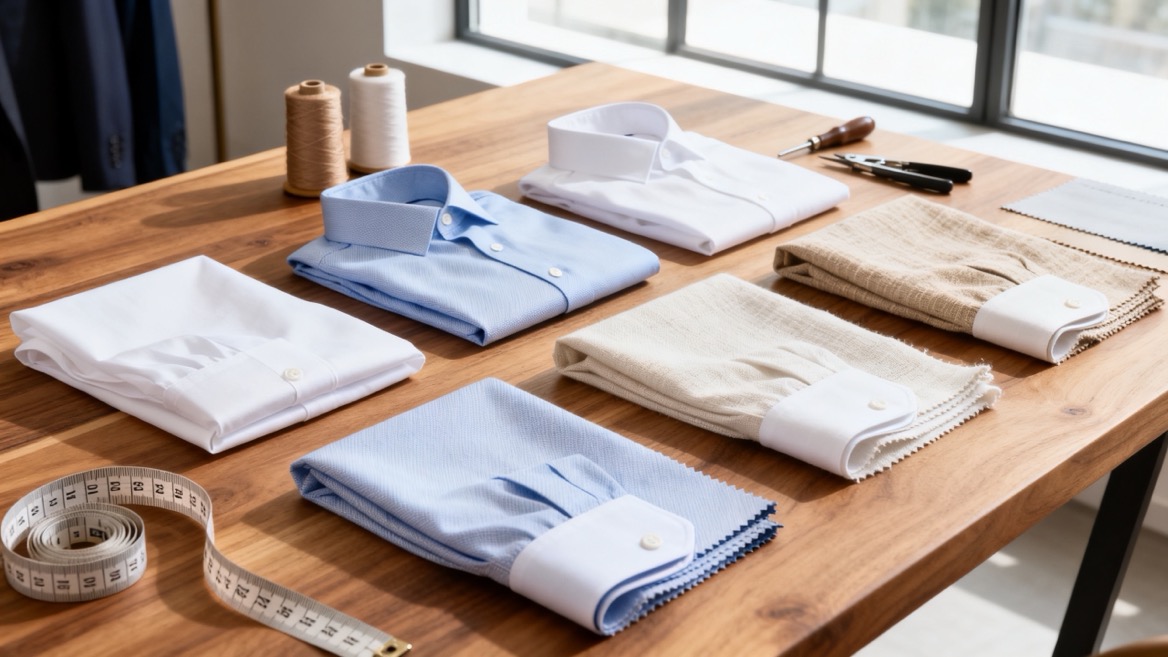
For most classic business and formal shirts, 100% cotton is the best all-around fabric choice. It offers a strong balance of breathability, comfort, appearance, customization potential, and year-round usability.
However, there is no single perfect fabric for every shirt program. The best fabric should match the product's intended use:
- Cotton poplin is ideal for crisp, lightweight, formal dress shirts.
- Cotton twill is suitable for softer shirts with a richer hand feel and better opacity.
- Oxford cloth works well for smart-casual, preppy, uniform, and durable button-down shirts.
- Linen is a leading option for breathable summer shirts and relaxed resort collections.
- Cotton-linen blends balance natural texture with easier care and more stable construction.
- Cotton-polyester blends can support easy-care, uniform, and high-volume commercial programs.
- Merino wool blends can serve premium travel, cool-weather, or performance-oriented shirt collections.
The most successful shirt collections do not select fabric based on fiber content alone. They also evaluate the weave, yarn quality, fabric weight, finishing process, color performance, shrinkage control, and garment construction.
A dress shirt is worn close to the skin, often for long hours. That makes fabric performance highly visible to the customer. A shirt may have an excellent collar shape and clean stitching, but it can still disappoint if the fabric feels stiff, becomes transparent, wrinkles too easily, shrinks after washing, or loses its surface appearance too quickly.
For apparel buyers, fabric also affects operational decisions:
- Fabric cost and minimum order quantity
- Sampling speed and color availability
- Cutting efficiency and material yield
- Sewing performance during bulk production
- Shrinkage and garment measurement tolerance
- Ironing requirements after laundering
- Packaging presentation and retail perception
- Complaint rate, return rate, and reorder potential
A shirt fabric should therefore be judged as a complete commercial material, not only as a swatch in a sample book.
Many buyers begin with a simple request such as "100% cotton shirt" or "linen shirt." That is a useful starting point, but it does not provide enough detail for consistent product development.
Two 100% cotton shirts can feel completely different because of differences in:
- Yarn count
- Yarn twist
- Weave structure
- Fabric weight
- Dyeing method
- Mechanical or chemical finishing
- Shrinkage treatment
- Brushing, mercerizing, or easy-care finishing
- Fabric density and opacity
For example, a lightweight cotton poplin shirt can look polished and smooth, while a cotton Oxford shirt has a more visible basket-weave texture and a more casual character. Both may use cotton, but the end product serves a different customer and retail environment.
Cotton remains the foundation of many global dress shirt collections because it is comfortable, breathable, skin-friendly, and highly adaptable. It can be woven into formal poplin, relaxed Oxford, soft twill, brushed flannel, dobby textures, and many other constructions.
For brands building a core shirt range, cotton is often the safest and most flexible starting point.
Cotton dress shirts are widely selected because they can deliver:
- Comfortable softness for daily wear
- Good breathability across different seasons
- Strong color and print compatibility
- A broad choice of weaves, weights, and finishes
- Easy integration into business, casual, uniform, and fashion programs
- Natural-looking texture and premium hand feel
- Strong consumer familiarity in international markets
Cotton is particularly effective when a brand needs one shirt platform that can be developed into several variations. The same base block can be used with poplin for formal shirts, Oxford for casual shirts, and twill for premium business shirts.
Cotton is absorbent and can wrinkle, especially in lighter plain-weave constructions. Without proper shrinkage control, it may also change dimensions after washing. These characteristics do not make cotton a poor choice; they simply need to be managed during material selection and testing.
For commercial shirt programs, buyers should confirm:
1. Expected wash shrinkage in length and width
2. Colorfastness requirements for white, dark, and bright shades
3. Whether the fabric has an easy-care or wrinkle-resistant finish
4. Whether the fabric should be pre-shrunk before cutting
5. Whether the garment measurements include an allowance for post-wash change
A reliable supplier should review these points before bulk fabric approval rather than after finished garments have been packed.
Cotton poplin is one of the most popular fabrics for formal and business dress shirts. It is usually made with a plain weave and fine yarns, creating a smooth surface, clean appearance, and lightweight hand feel.
Poplin is a practical choice for office shirts, wedding shirts, formal uniforms, school shirts, hotel shirts, and private-label dress shirt collections.
Choose cotton poplin when the product needs:
- A crisp, clean, professional appearance
- A lightweight fabric for warm offices or warm climates
- A smooth surface for solid colors, stripes, and small checks
- A formal shirt silhouette with a sharper collar and placket
- Efficient embroidery, printing, or logo application
- A fabric that can be easily matched across repeat orders
A white poplin dress shirt remains one of the most commercially important products in menswear. It can be styled with a suit, worn under knitwear, or used as an essential uniform item.
For a better-quality poplin shirt, look beyond the word "poplin." Discuss the fabric weight, yarn quality, fabric density, and finishing level with the manufacturer.
A very lightweight poplin may feel airy but can become too transparent in white or pale colors. A slightly denser construction can offer more coverage while retaining a refined formal look.
For many OEM buyers, a mid-lightweight poplin is a practical compromise because it supports everyday comfort without looking overly thin under indoor lighting.
Cotton twill is identified by its diagonal weave lines. Compared with poplin, it often feels softer, drapes more smoothly, and can provide better visual depth.
Twill shirts are popular in premium business collections, autumn-winter ranges, and styles designed for customers who prefer a less crisp, more luxurious feel.
A well-developed twill shirt can offer:
- A softer hand feel than many plain-weave shirts
- Better opacity for white and light colors
- A subtle diagonal texture that adds visual interest
- Good durability for repeated wear
- A refined appearance suitable for business and smart-casual styling
- Easier ironing compared with some lightweight plain weaves
Twill is often an excellent choice for a premium white dress shirt because the fabric usually feels more substantial than basic poplin while still appearing polished.
Cotton twill works especially well for:
- Premium office shirts
- Business-casual shirts
- Long-sleeve seasonal shirts
- Dress shirts with spread, cutaway, or semi-cutaway collars
- Shirts intended for layering under blazers or knitwear
- Higher-price private-label collections
Because twill has more texture than poplin, it may not always be the first choice for the most formal ceremonial shirt. But it is highly effective for an elevated daily business shirt.
Oxford cloth is known for its basket-weave structure, which gives the fabric a visible texture and a more relaxed appearance than fine poplin. It is one of the most recognizable fabrics for button-down shirts.
An Oxford shirt can look polished enough for many office environments while still feeling appropriate for casual styling.
Oxford fabric is valued for its balance of durability, texture, and versatility. It is often suitable for brands that want a shirt with a more substantial, authentic, and long-lasting feel.
Oxford shirts are especially suitable for:
- Smart-casual menswear brands
- Ivy-inspired and heritage collections
- Corporate uniforms
- Hospitality uniforms
- Branded workwear
- School or college-style shirts
- Casual button-down collar shirts
- Overshirts and relaxed silhouettes
The texture of Oxford cloth can also help reduce the visibility of minor wrinkles compared with a very smooth poplin surface.
Standard Oxford is usually more casual and textured. Pinpoint Oxford uses finer yarns and a tighter construction, producing a smoother and more refined version of the Oxford look.
For a brand that wants the durability of Oxford but a cleaner dress-shirt appearance, pinpoint Oxford can be an effective middle ground.
Linen is made from flax fibers and is widely valued for its natural texture, airflow, and warm-weather comfort. It is one of the best choices for resort shirts, vacation collections, relaxed business shirts, and summer wedding apparel.
Linen allows air to move through the fabric effectively and can handle moisture transfer well, which is why it is frequently selected for hot and humid conditions.
Linen shirts offer a distinct appearance that many customers associate with summer, travel, and understated luxury. Their natural irregularities and relaxed wrinkles are part of the fabric's visual identity.
Choose linen when your shirt collection needs:
- High warm-weather comfort
- A breathable, natural hand feel
- A textured and relaxed surface
- A premium vacation or resort aesthetic
- A softer, less formal silhouette
- A fabric that works well with neutral and sun-faded colors
Linen is particularly effective for camp-collar shirts, relaxed long-sleeve shirts, Cuban-collar styles, beachwear, and destination wedding collections.
Linen wrinkles more visibly than many cotton fabrics. This is not automatically a defect. For the right customer, linen creasing communicates authenticity and relaxed elegance.
However, if a brand wants the breathable character of linen with more controlled wrinkling, a cotton-linen blend may be more commercially suitable.
Cotton-linen blends combine the natural texture and airy feel of linen with some of the softness and easier handling associated with cotton. They are increasingly useful for brands that want summer-friendly shirts without the full wrinkle level of pure linen.
A cotton-linen shirt can be a strong choice for buyers who want to develop:
- Summer office shirts
- Resort collections
- Casual button-up shirts
- Warm-climate uniforms
- Vacation capsules
- Lightweight overshirts
- Relaxed wedding or event apparel
The blend ratio matters. A higher linen percentage usually creates a more visible linen texture and more relaxed wrinkling. A higher cotton percentage can produce a smoother surface and more familiar hand feel.
For consistency, buyers should request approved fabric swatches and finished wash-test samples before confirming bulk production.
Cotton-polyester blends are often selected for shirts that need better crease recovery, faster drying, greater shape retention, and more economical care. They are common in uniforms, hospitality garments, corporate apparel, schoolwear, and high-volume promotional programs.
This fabric category is not necessarily aimed at luxury shirting. Instead, it is useful when product performance, durability, cost control, and repeatable production are key priorities.
A cotton-polyester shirt may be suitable when the buyer needs:
- Easier laundering for frequent use
- Faster drying
- Improved wrinkle resistance
- Stable shape after repeated washing
- Better production cost control
- Consistent fabric availability
- A practical uniform solution
The key is to select the blend ratio and finishing carefully. Too much polyester can reduce the natural hand feel and breathability that customers expect from a dress shirt. A balanced construction can provide a more practical result while preserving a comfortable surface.
Wool may not be the first material most buyers consider for dress shirts, but fine Merino wool and wool blends can offer a premium option for travel shirts, cool-weather shirts, overshirts, and technical business apparel.
Merino wool fibers can help manage moisture vapor and support comfort across changing conditions. This makes fine wool-blend shirting relevant for customers who travel frequently, move between indoor and outdoor environments, or want a more elevated seasonal fabric.
Wool or wool-blend shirt fabrics can be considered for:
- Premium travel collections
- Autumn and winter shirts
- Brushed overshirts
- Luxury casual shirts
- Performance-inspired business apparel
- Layering shirts for cooler climates
Because wool fabrics vary significantly in fineness, weight, and finishing, bulk approval should be based on physical samples and wear testing rather than a fiber-content description alone.
A strong fabric selection process begins with the end customer, not with the fabric name. Before requesting sampling, define the product brief clearly.
1. Who will wear the shirt, and in what climate?
2. Is the product formal, business-casual, casual, uniform, or resort wear?
3. What retail price range is the brand targeting?
4. Does the customer prioritize softness, crispness, breathability, or wrinkle resistance?
5. Will the shirt be worn under a suit jacket, as a standalone shirt, or as an overshirt?
6. Is the fabric required to carry embroidery, printing, or a garment wash?
7. How often will the garment be washed?
8. Does the program require specific testing, labeling, or material certification?
9. What measurement tolerance is acceptable after washing?
10. Will the brand need the same fabric for repeat orders and future color updates?
These questions prevent a common development problem: selecting a fabric that looks attractive during sampling but does not suit the real use case.
| Fabric Type | Appearance | Best Season | Wrinkle Level | Best Applications | Key Consideration |
|---|---|---|---|---|---|
| Cotton Poplin | Smooth, crisp, clean | Spring to summer, indoor use | Moderate | Formal shirts, office shirts, uniforms | White fabrics need sufficient opacity |
| Cotton Twill | Soft, refined, diagonal texture | Year-round | Low to moderate | Premium business shirts | Usually heavier than poplin |
| Oxford Cloth | Textured, durable, relaxed | Year-round | Moderate | Smart-casual shirts, button-downs, uniforms | Less formal than fine poplin |
| Pinpoint Oxford | Textured but more refined | Year-round | Moderate | Business-casual dress shirts | Requires careful yarn and density selection |
| Linen | Natural, airy, textured | Summer | High | Resort shirts, relaxed shirts, warm-weather collections | Wrinkling is part of the look |
| Cotton-Linen Blend | Relaxed, balanced texture | Spring to summer | Moderate | Summer business and casual shirts | Blend ratio changes appearance and feel |
| Cotton-Polyester Blend | Clean, practical, easy-care | Year-round | Low | Uniforms, corporate shirts, high-volume programs | Can feel less natural if polyester content is high |
| Merino Wool Blend | Premium, soft, seasonal | Autumn to winter | Low to moderate | Travel shirts, overshirts, luxury casual shirts | Cost and fabric handling require planning |
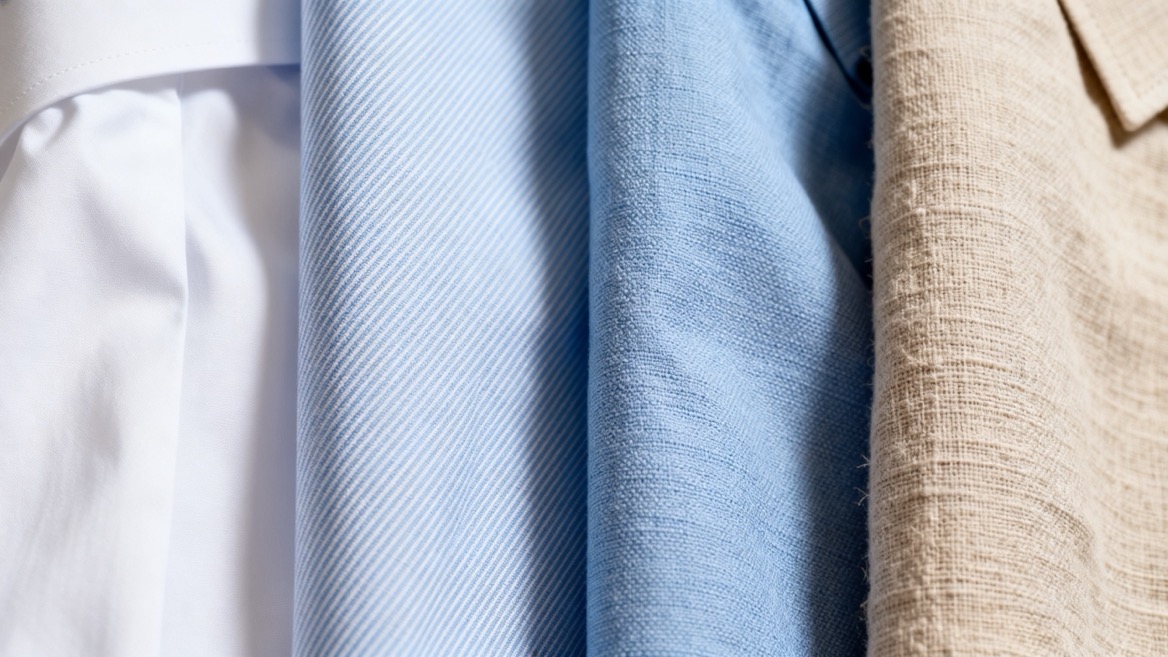
For a professional OEM shirt order, fabric selection should be supported by a clear approval process. It is not enough to approve a fabric cutting based only on color and hand feel.
Quality inspection can take place during raw-material receipt, during production, and after the garment is completed. A structured process gives buyers a better chance of identifying problems before shipment.
Before bulk cutting, confirm:
- Fabric composition
- Fabric weight and width
- Color standard against approved shade
- Shrinkage performance
- Colorfastness to washing and rubbing
- Fabric defects and roll inspection
- Surface appearance after washing
- Collar and cuff compatibility
- Fusing performance
- Button, thread, and interlining color matching
- Garment measurement after wash testing
For brands with specific material-safety requirements, ask whether the selected fabric or finished product has relevant documentation. OEKO-TEX® STANDARD 100 is a textile label for articles tested for harmful substances, covering materials from yarn through finished textile products.
Imagine a European menswear brand developing a white business shirt for year-round use. The first instinct may be to choose lightweight 100% cotton poplin because it looks clean and formal.
After sampling, the brand may find that the shirt is slightly too transparent and wrinkles quickly after a long workday. Instead of abandoning cotton, the development team could move to a denser cotton poplin, a pinpoint Oxford, or a fine cotton twill.
The brand still keeps the desired professional appearance, but improves opacity, durability, and wearer confidence. This is why fabric development should be treated as a product-engineering decision rather than a purely aesthetic choice.
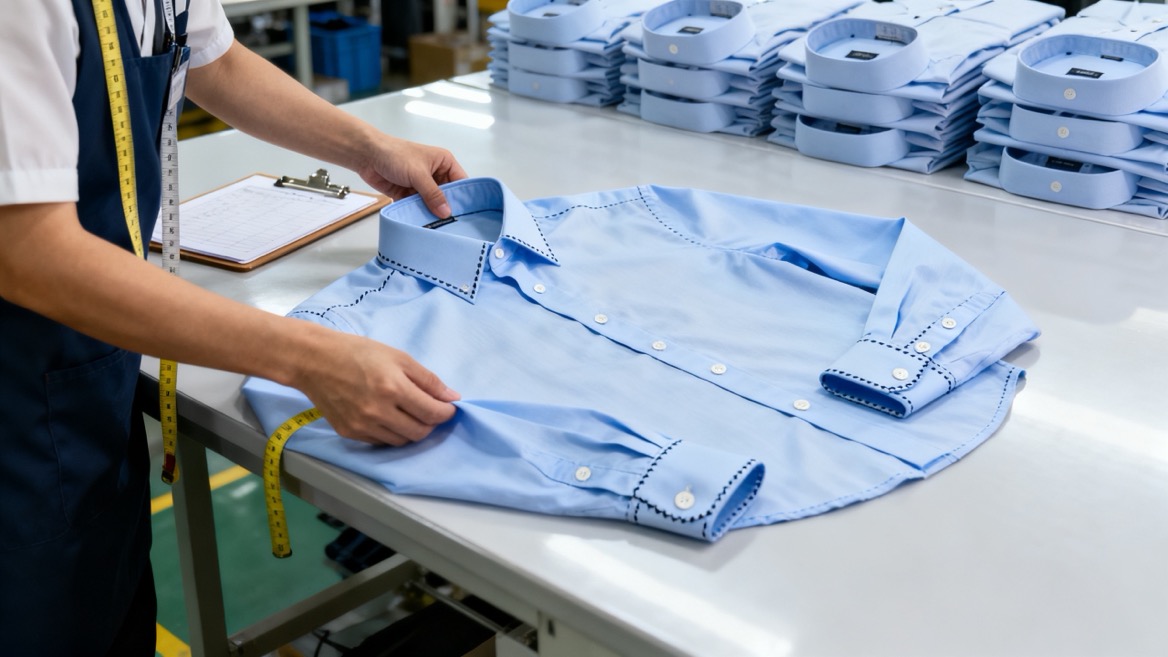
The best fabric can still underperform if it is paired with unsuitable construction details. Fabric, interlining, stitching, collar shape, and fit need to work together.
For example:
- Lightweight poplin often suits a cleaner collar structure and fine stitching.
- Oxford works naturally with button-down collars and casual plackets.
- Linen benefits from softer construction and relaxed silhouettes.
- Twill can support a more substantial collar and cuff presentation.
- Easy-care blends may be ideal for uniform shirts with reinforced stress points.
A shirt manufacturer should also consider seam puckering, needle selection, thread tension, fusing temperature, collar stand stability, button attachment, and garment pressing. These details influence whether the finished shirt looks premium when it reaches the customer.
The best dress shirt fabric is the one that aligns with your product concept, target market, quality expectations, and long-term supply plan. Cotton poplin remains a dependable formal option. Twill adds softness and visual depth. Oxford delivers durability and smart-casual character. Linen excels in hot-weather collections. Blends can solve practical problems such as wrinkle control, drying speed, and uniform performance.
At Shanghai Youti Clothing Co., Ltd., we support international brands, wholesalers, and apparel businesses with OEM shirt development—from fabric selection and sampling to measurement confirmation, production follow-up, and final garment inspection.
Send us your shirt tech pack, target fabric composition, reference images, quantity, and destination market. Our team can help evaluate suitable fabric options and develop an OEM shirt solution that fits your brand's positioning.
For a traditional formal white dress shirt, 100% cotton poplin is often the preferred choice because it looks crisp, smooth, and professional. For more opacity and a softer feel, fine cotton twill or pinpoint Oxford can also be excellent options.
Poplin is usually better for a sharper, more formal appearance. Oxford is generally better for a textured, durable, smart-casual shirt. The right choice depends on whether the collection is designed for formal tailoring or relaxed daily wear.
Linen is one of the best fabrics for hot weather because of its breathable, airy, moisture-handling characteristics. Cotton-linen blends are also a practical option for brands that want a more controlled wrinkle appearance.
They can be. Cotton-polyester blends are particularly suitable for uniforms, hospitality apparel, corporate shirts, and easy-care programs. Quality depends on the blend ratio, weave, fabric weight, finishing, and garment construction.
Cotton-polyester blends generally offer strong wrinkle resistance. Cotton twill may also show wrinkles less visibly than lightweight poplin. Pure linen wrinkles most noticeably, although this is often considered part of its relaxed and natural style.
Brands should request fabric swatches, lab-dip approvals, wash-test garments, shrinkage results, colorfastness information, and pre-production samples. They should also confirm the final garment measurements after washing.
Yes. Linen shirts can work well in relaxed offices, warm climates, summer business travel, and resort-oriented business settings. For a more polished office look, choose a finer linen construction or a cotton-linen blend in a structured shirt silhouette.
The ideal fabric weight depends on the fabric construction and end use. Lightweight fabrics are suitable for summer and formal shirts, while medium-weight fabrics can offer better durability, opacity, and year-round wear. Buyers should evaluate the actual fabric sample rather than choosing by weight alone.
- [StudioSuits: What's the Best Fabric for a Dress Shirt?]
- [Alliance for European Flax-Linen & Hemp: Flax Performance and Properties]
- [The Woolmark Company: Wool Fibre Properties, Facts & Benefits]
- [Hockerty: A Guide to Shirt Materials—Which Fabric Is Right for You?]
- [Iowa State University Digital Repository: Textile Quality Assurance]


