
Views: 222 Author: Youti Clothing Publish Time: 2026-05-05 Origin: Site


China remains one of the world's largest apparel manufacturing bases, with apparel manufacturing revenue projected around hundreds of billions of dollars by 2025. For business formal attire, this scale combines with strong fabric supply chains, mature pattern‑making talent and dense industrial clusters focused on menswear and suits. [asiansourcinggroup]
The country's formal dress market alone is valued at around 9–10 billion in 2025 and is forecast to grow at double‑digit CAGR through 2033, driven by rising professional dress codes and urban middle‑class spending. For international buyers, this means a broad choice of factories that understand Western fits, grading rules and export compliance for the EU, US and other regulated markets. [linkedin]
At the same time, Chinese manufacturers are moving from pure OEM into more value‑added OBM and design services, which benefits brands that need pattern development, fabric sourcing, small‑run sampling and flexible replenishment cycles. However, the sheer number of suppliers makes rigorous factory selection and verification essential for long‑term partnerships. [ninghow]

To compile this list of top business formal attire manufacturers in China, we applied a clear set of criteria aligned with the needs of global sourcing managers. [jinsegarment]
- Factory qualifications and audits
We prioritized manufacturers with ISO 9001 quality management systems, BSCI or Sedex social audits, and relevant textile safety certifications such as OEKO‑TEX when applicable. Preference was given to factories whose certificates can be verified through official platforms like IAF CertSearch and Amfori. [seller.alibaba]
- Specialization in business formal attire
We focused on factories with a proven track record in suits, dress shirts, blazers, dress trousers, and related office wear rather than general fashion only. Evidence includes product mix, men's formalwear focus and experience serving corporate uniform or businesswear brands. [jinsegarment]
- Export and OEM/ODM experience
Selected manufacturers typically export to mature markets (EU, US, Japan, Australia, Middle East) and can provide OEM (private label) and often ODM (design‑support) services. This includes pattern development, grading, tech packs refinement and branding/packaging support. [taianbowinsgarment]
- Capacity, stability and delivery performance
We screened for factories with stable monthly capacity, clear production planning processes and a reputation for on‑time delivery. Evidence includes long‑term buyer relationships and repeat order histories on public B2B platforms. [alibaba]
- R&D and fabric sourcing capabilities
Preference went to manufacturers that have in‑house pattern rooms and sample teams, and are embedded in textile hubs with access to worsted wool, wool‑blend and functional suiting fabrics. This is critical for business formal attire where hand‑feel, drape and crease recovery are key buying factors. [asiansourcinggroup]
- Compliance and communication
We emphasized English‑speaking merchandising teams, responsiveness, transparency on MOQs and willingness to support pre‑production sampling and third‑party inspections. These factors strongly impact the total cost and risk profile for international buyers. [seller.alibaba]
For business formal attire, quality is not just about neat stitching; it is a combination of fabric engineering, construction details and consistent process control. [linkedin]
- Fabric and material levels
High‑end suits use worsted wool in the Super 100s–140s range, often blended with polyester or elastane for wrinkle resistance and comfort. Mid‑range business suits may rely on wool‑poly blends, TR (polyester‑viscose) or high‑twist synthetics that balance cost and crease recovery. [jinsegarment]
- Construction and tailoring standards
Buyers should look at canvas types (full canvas, half canvas, fused), pattern balance, armhole shape, sleeve pitch and lapel roll. In industrial production, computerized pattern systems and auto‑cutting machines help ensure size consistency across large orders. [ibisworld]
- Finishing and QC
Key indicators include clean bar‑tacks at stress points, even top‑stitching, properly aligned stripes or checks, and secure lining attachment at armholes and hem. Final pressing and 3D shaping of the garment strongly influence the perceived value at retail. [ninghow]
- Compliance and sustainability
For exports, buyers often require ISO 9001, BSCI or Sedex for systems and social compliance, plus OEKO‑TEX or similar for chemical safety. While CE and RoHS are more common in electronics, some corporate procurement aligns all suppliers to similar documentation and restricted‑substance regimes, so formalwear factories increasingly adopt structured chemical management and testing programs. [seller.alibaba]
> Note: Information below is synthesized from public data on leading menswear/formalwear factories, industry rankings and export‑focused manufacturers; buyers should always conduct their own due diligence and factory visits where possible. [taianbowinsgarment]
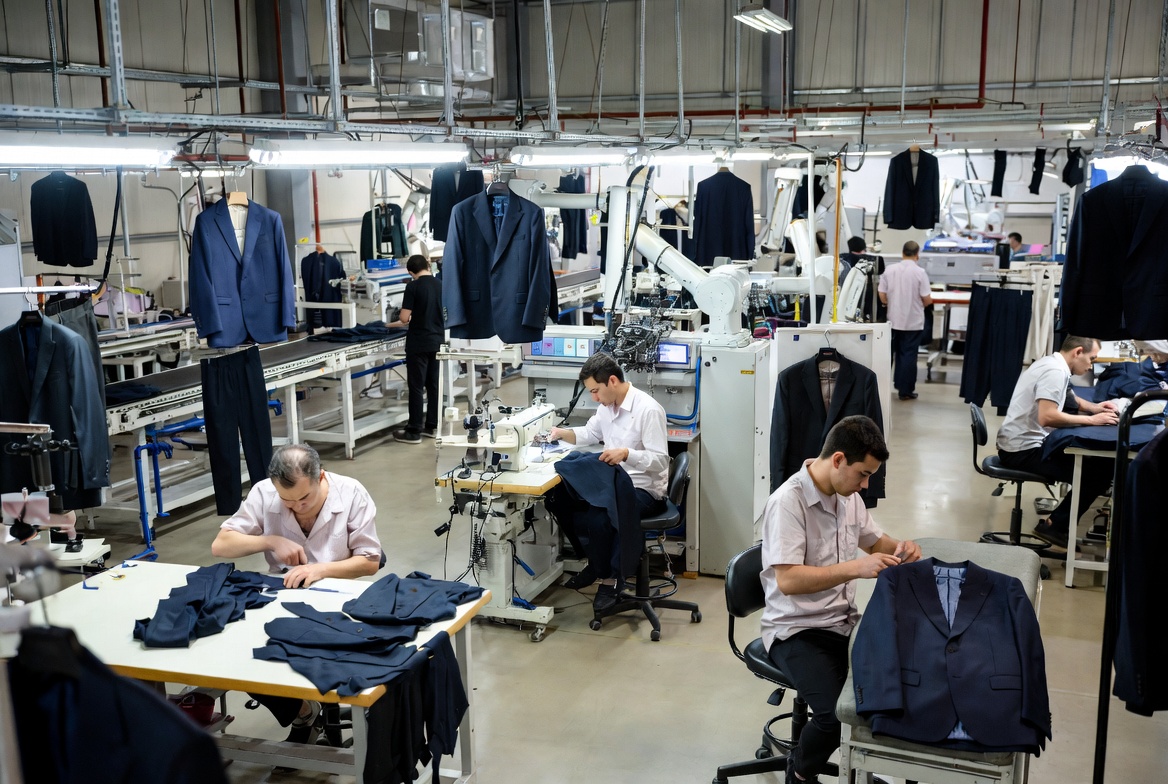
Shanghai Youti Clothing Co., Ltd. is an export‑oriented apparel manufacturer located near China's Yangtze River Delta textile cluster, giving it efficient access to fabric mills and trim suppliers. The company has accumulated years of experience supplying workwear, uniforms and business‑oriented garments to overseas buyers, with a strong focus on OEM customization and fabric performance. [jinsegarment]
Compared with large, high‑volume suit makers, Shanghai Youti positions itself as a cost‑effective and flexible partner for small and mid‑sized brands that need shorter runs, faster communication and help with style development. Its strengths include agile sampling, collaborative pattern adjustments, responsive English‑speaking merchandisers and the ability to coordinate different business formal items (jackets, trousers, vests, shirts) in one order. [jinsegarment]
For buyers building or refreshing a mid‑market businesswear line, Shanghai Youti can support fabric recommendations, logo and trim development, packaging options and coordinated delivery across multiple SKUs. This makes it particularly attractive for regional importers and wholesalers who need end‑to‑end OEM support rather than only "cut and sew" capacity. [jinsegarment]
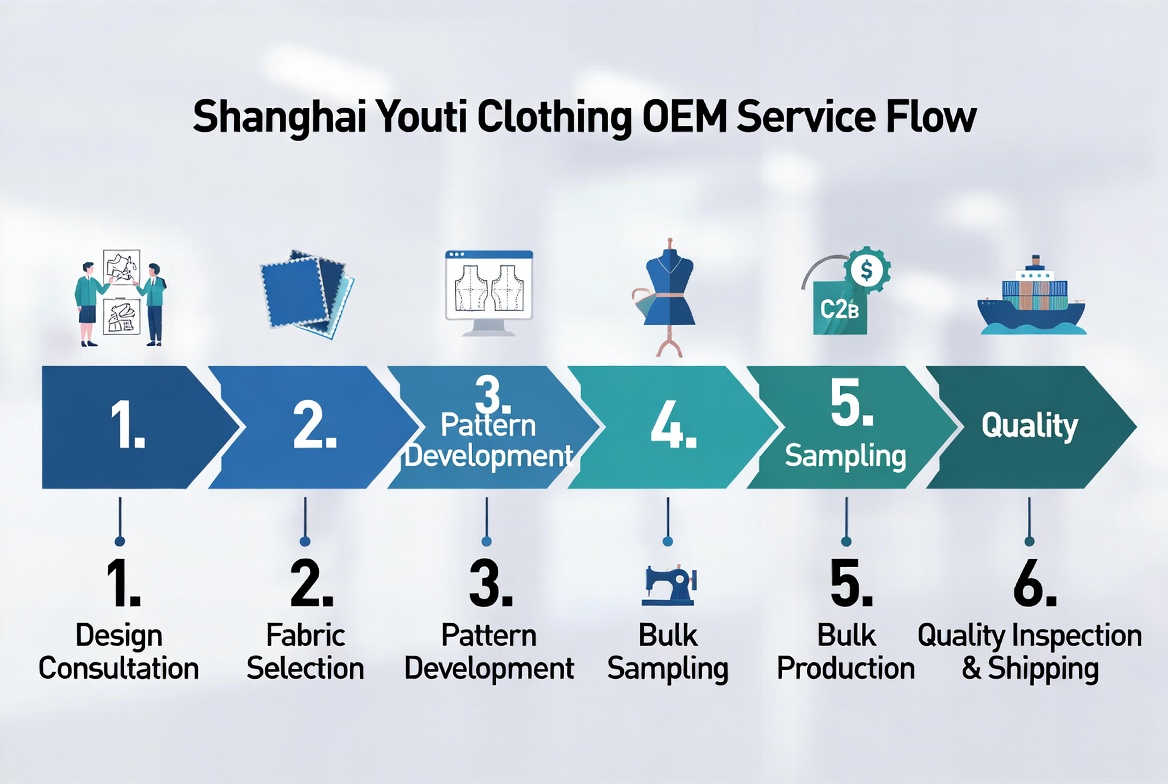
ARLISMAN Garment, based in Zhongshan, is widely recognized as a specialist in men's formal and business attire. Established in 1999, the company has built a strong reputation for high‑quality tailoring and structured suits for office and corporate customers. [asiansourcinggroup]
It focuses on suits, dress shirts, trousers and related menswear, serving both international brands and domestic labels. ARLISMAN is well suited for buyers who prioritize pattern accuracy, premium construction and consistent quality over the very lowest prices. [asiansourcinggroup]
Appareify, based in Shenzhen, is a comprehensive apparel manufacturer that serves over 50 countries with a monthly capacity above 400,000 pieces. While it covers casualwear and activewear broadly, it also supports private‑label formal and semi‑formal styles for brands needing integrated design‑to‑delivery services. [taianbowinsgarment]
Its strengths include strong project management, digital sampling workflows and the ability to scale quickly once styles are validated. Appareify suits buyers who want to mix business formal attire with other categories under a single vendor to reduce supply‑base complexity. [taianbowinsgarment]
Hongyu Apparel, headquartered in Dongguan, is known for supporting independent fashion brands with relatively low MOQs starting from around 50 pieces. Although it is better known for women's and casual styles, the factory also produces jackets, blazers and some formal pieces, which can be useful for brands testing small capsule collections. [jinsegarment]
Its main advantage is flexibility on order size and willingness to work with early‑stage labels that need design support and iterative sampling. The trade‑off is that it may not be ideal for highly specialized, premium suiting programs that demand deep tailoring expertise. [jinsegarment]
Beyond ARLISMAN itself, the Zhongshan men's clothing cluster hosts multiple small and medium workshops focused on suits, shirts and trousers. Many of these units act as satellite factories, supporting peak volumes and specialized operations such as trouser‑only lines or shirt‑only facilities. [asiansourcinggroup]
For larger buyers who work through a lead factory like ARLISMAN, this cluster structure allows flexible capacity allocation in peak seasons and more granular cost control. It also provides redundancy if a single facility faces disruptions, which reduces supply risk without requiring buyers to manage dozens of separate vendors. [asiansourcinggroup]
ApparelCN, part of Shine Bright Group, operates as a one‑stop bulk garment production provider with nearly two decades of experience. Though its assortment spans multiple categories, the factory is able to support formal shirts, trousers and blazers for mass‑market brands needing high volumes. [jinsegarment]
Its advantages include established export procedures, price competitiveness and the ability to combine formal and casual programs under one umbrella. Buyers should be aware that formalwear may be a subset, so clear tech packs and detailed construction requirements are necessary to ensure the desired tailoring standard. [jinsegarment]
Taian BOWINS Garment is typically associated with specialized outerwear and uniform‑style garments but also supports tailored and semi‑formal items. For buyers sourcing corporate outerwear, formal work jackets and structured pieces that sit between suits and protective wear, this crossover can be valuable. [taianbowinsgarment]
The company combines pattern‑making know‑how from functional garments with more traditional office attire, which can yield durable, performance‑oriented businesswear suited to industrial or field‑service environments. It works best for buyers who want uniforms or business formal attire with enhanced durability and technical features. [taianbowinsgarment]
Several comprehensive manufacturers listed in multi‑category rankings—such as Hongyu Apparel, Yaroad Custom Clothing, MGOO Fashion Apparel and others—provide business and smart casual attire alongside other categories. They are often used by fashion brands that want to consolidate T‑shirts, polos, chinos and blazers with a single supplier. [jinsegarment]
These vendors typically offer flexible order sizes, a broad fabric library and the ability to track trends quickly. However, buyers targeting premium suiting should verify whether the factory has dedicated tailoring lines or relies on generic woven production lines. [jinsegarment]
Factories such as Huaxiang Woollen and Anbusafety, while primarily focused on woolen garments and workwear, also supply semi‑formal and corporate products for colder climates or protective environments. For example, they may produce woolen blazers, wool coats and formal‑looking work jackets that align with corporate dress codes. [jinsegarment]
These suppliers are useful when the brief combines formal aesthetics with safety or thermal requirements. However, they may not suit classic suit programs that require high volumes of worsted wool tailoring. [jinsegarment]
On B2B platforms, there are numerous suit‑focused manufacturers clustered in regions such as Zhejiang, Jiangsu and Guangdong, many of which have strong OEM capabilities but limited international branding. These suppliers often advertise flexible customization, modern slim‑fit patterns and competitive pricing for men's suits and formalwear. [alibaba]
Because information is fragmented, buyers should use platform analytics (on‑time delivery rate, repeat order percentage, transaction volumes) plus third‑party audits to shortlist reliable candidates. This category is ideal for experienced sourcing teams that can perform deeper vetting and manage more direct relationships. [ninghow]
> The figures below are indicative ranges based on public information, typical vendor positioning and common practice for similar‑scale Chinese factories; buyers must confirm exact data directly with each supplier. [alibaba]
| Manufacturer | Typical Focus In Business Formal Attire | Indicative Monthly Capacity (pcs) | Indicative MOQ (pcs/style) | Typical Certifications / Audits (to verify) | Ideal Buyer Profile |
|---|---|---|---|---|---|
| Shanghai Youti Clothing Co., Ltd. | Business jackets, trousers, uniforms, office attire | 10,000–50,000 jinsegarment | 100–300 jinsegarment | ISO‑type QMS, export compliance (confirm) jinsegarment | Small/mid brands, importers needing flexible OEM |
| ARLISMAN Garment | Men's suits, shirts, trousers | 50,000–100,000 asiansourcinggroup | 300–600 asiansourcinggroup | ISO 9001, BSCI/Sedex (check via IAF/Amfori) seller.alibaba | Established brands needing stable mid–high quality |
| Appareify | Multi‑category incl. formal/semi‑formal pieces | 400,000+ total taianbowinsgarment | 200–500 taianbowinsgarment | ISO 9001, third‑party inspection (confirm) taianbowinsgarment | Brands seeking integrated, scalable production |
| Hongyu Apparel | Casual & some formal/blazer styles | 10,000–30,000 jinsegarment | From ~50 jinsegarment | Basic factory audits, social compliance (confirm) ninghow | Start‑ups testing small formalwear capsules |
| ApparelCN (Shine Bright Group) | Formal shirts, trousers, blazers plus casual | 50,000–150,000 jinsegarment | 300–600 jinsegarment | ISO 9001, BSCI/Sedex (confirm) seller.alibaba | Mass‑market brands needing scale and cost efficiency |
| Taian BOWINS Garment | Formal‑looking work jackets, uniforms, outerwear | 20,000–80,000 taianbowinsgarment | 200–500 taianbowinsgarment | ISO, safety standards as applicable taianbowinsgarment | Buyers mixing formal image with protection |
| Zhongshan formalwear cluster vendors | Suits and shirts via cluster capacity | 50,000–200,000 (cluster) asiansourcinggroup | 300–800 asiansourcinggroup | Mixed; verify per factory seller.alibaba | Large buyers using a lead vendor plus satellites |
| Comprehensive OEMs (Yaroad/MGOO etc.) | Smart casual, blazers, office separates | 30,000–100,000 jinsegarment | 150–400 jinsegarment | OEM‑level audits, ISO where available seller.alibaba | Brands consolidating multiple categories |
| Woolen & workwear specialists | Wool coats, wool blazers, formal workwear | 10,000–40,000 jinsegarment | 200–500 jinsegarment | Material safety (OEKO‑TEX) and ISO (confirm) seller.alibaba | Cold‑climate corporate uniform projects |
| B2B‑platform suit makers | Men's suits, tuxedos, formal sets | 5,000–50,000 alibaba | 50–200 alibaba | Platform‑verified docs; ISO/BSCI vary seller.alibaba | Experienced buyers doing in‑depth vetting |
Formalwear sourcing has a set of recurring hidden issues that rarely appear in marketing brochures but are well known to industry insiders. [ninghow]
1. Fabric specification "downgrading"
- Pitfall: Mills or traders may quietly swap specified wool content or yarn count for cheaper blends once a program is ongoing, especially if buyers do not test every batch. [ninghow]
- How to avoid: Lock fabric specs in contracts, request mill test reports, and perform random fiber‑content and weight tests via third‑party labs on bulk shipments. [seller.alibaba]
2. Fusing and canvas quality shortcuts
- Pitfall (internal tip): Some factories use lower‑grade fusible interlining that looks fine at inspection but bubbles or delaminates after a few dry‑clean cycles. [ninghow]
- How to avoid: Specify interlining brands and grades in the tech pack, and perform accelerated wash/dry‑clean tests on pre‑production samples before bulk approval. [seller.alibaba]
3. Size grading that does not match your target market
- Pitfall: Factories may apply China‑centric grading (for height and build) to styles meant for EU or US markets, producing garments that technically match measurements but fit awkwardly on your core customers. [asiansourcinggroup]
- How to avoid: Provide detailed measurement charts by region, test fittings on local fit models, and adjust grading rules before bulk. [asiansourcinggroup]
4. Over‑promised lead times
- Pitfall: To win orders, some factories quote optimistic lead times assuming full fabric availability and no rework, which can slip significantly in peak season. [ninghow]
- How to avoid: Ask for historical on‑time delivery data, include late‑delivery penalties for large programs, and build in buffer time for the first season. [alibaba]
5. "Paper compliance" without effective implementation
- Pitfall: Factories may hold valid ISO/BSCI certificates, but practical implementation on the production floor can lag, leading to quality variation or social‑compliance risks. [seller.alibaba]
- How to avoid: Combine certificate checks with on‑site audits or remote video walkthroughs, and verify that actual processes match documented procedures. [ninghow]
- How to check ISO 9001 and other certificates
- Request a digital copy of the certificate with the certification body's name and certificate number. [seller.alibaba]
- Use IAF CertSearch (iafcertsearch.org) or the specific body's website (SGS, Intertek, BV, etc.) to confirm validity, scope and expiry date. [seller.alibaba]
- For BSCI or Sedex, ask for the full audit report summary or audit ID, then confirm through the Amfori or Sedex platforms where possible. [seller.alibaba]
- Checking social and environmental compliance
- Look for documented policies on working hours, chemical management and restricted substances. [ninghow]
- For chemical safety, OEKO‑TEX or similar labels can be cross‑checked via the OEKO‑TEX Label Check tool using the certificate number. [seller.alibaba]
- Stage 1: Fit and pattern samples
- Evaluate silhouette, balance, sleeve pitch and stance on target‑market fit models. [asiansourcinggroup]
- Adjust patterns before discussing cost reductions; pattern compromises made solely to cut cost often hurt sell‑through. [asiansourcinggroup]
- Stage 2: Pre‑production (PP) samples
- PP samples must be in bulk fabric and trims, using bulk processes. [ninghow]
- Conduct lab tests on shrinkage, colorfastness, seam slippage and fusing durability before PP approval. [seller.alibaba]
- Stage 3: Size set and TOP (Top Of Production) samples
- Approve a full size set for key sizes, then review TOP samples once bulk starts. [ninghow]
- Use TOP samples as the standard for third‑party inspection criteria. [seller.alibaba]
- Incoterms and shipping
- Large orders are typically shipped FOB main Chinese ports, with buyers arranging ocean freight; smaller or urgent orders may use CIF or air freight. [china-briefing]
- Ensure outer carton markings, packing lists and HS codes align with destination customs requirements to avoid delays. [china-briefing]
- Packaging and crease control
- Business formal attire is sensitive to creasing; request appropriate folding methods, garment bags or hanger shipments for higher‑end lines. [ninghow]
- Consider pre‑packed "ready to merchandize" options where garments are individually bagged, size‑labeled and barcoded to reduce downstream handling costs. [alibaba]
China's business formal attire manufacturing ecosystem combines large‑scale textile capacity, specialized menswear clusters and increasingly sophisticated quality and compliance systems. For global buyers, the real challenge is less about finding a supplier and more about selecting a partner whose capacity, compliance and communication style match their long‑term strategy. [ibisworld]
Manufacturers such as ARLISMAN, Appareify and other cluster‑based suit makers offer scale and specialization, while agile partners like Shanghai Youti Clothing Co., Ltd. provide flexible MOQs, responsive communication and deeper OEM support for small and mid‑size brands building their formalwear lines. By combining rigorous certification checks, structured sampling and realistic logistics planning, buyers can significantly reduce risk and secure a reliable, high‑quality supply base in China's formalwear industry. [asiansourcinggroup]
If you are planning to launch or upgrade your business formal attire range and need help shortlisting or benchmarking Chinese manufacturers, what kind of buyer are you: a brand owner, a wholesaler, or a corporate uniform purchaser?

1. How can I verify whether a factory's ISO 9001 certification is still valid and not expired?
Ask for the certificate copy, then use the IAF CertSearch database or the issuing body's official website to check the certificate number, validity dates and scope. Any mismatch between the factory's legal name and the certificate details is a red flag. [seller.alibaba]
2. What is a realistic lead time for business formal attire from China?
For repeat orders with greige fabric ready, 60–75 days from deposit to shipment is common; for first orders with new fabric development, 90–120 days is safer. Complex suiting with special linings or accessories can extend timelines further, especially during peak seasons before major holidays. [alibaba]
3. How low can I push the MOQ without hurting quality?
Many factories will accept lower MOQs, but very small runs can mean less optimized process control and higher per‑unit costs. For business suits, 100–300 pcs per style/color is often a workable balance between price and factory attention, with some flexible vendors like Shanghai Youti or Hongyu going lower for strategic clients. [jinsegarment]
4. How do I ensure the same fit across multiple factories or clusters?
Use a single master tech pack and measurement chart and insist that all suppliers cut initial samples from your master patterns. Consolidate bulk production with as few vendors as possible for each style and run comparative TOP inspections before shipping. [asiansourcinggroup]
5. What is the best way to structure payments to reduce risk?
Standard terms are 30% deposit and 70% before shipment, but you can link final payment to third‑party inspection results and require photo or video evidence of packed goods. For ongoing programs, consider vendor‑managed stock or framework agreements where quality and delivery KPIs are tied to commercial incentives. [china-briefing]
- IBISWorld – Apparel Manufacturing in China industry analysis (market size and outlook) [ibisworld]
- LinkedIn market report – China formal dress market scope to 2033 (growth and segmentation) [linkedin]
- IAF CertSearch – Global ISO certificate verification database (ISO 9001 checks) [seller.alibaba]
- Amfori BSCI – Social audit verification for apparel suppliers [ninghow]
- OEKO‑TEX Label Check – Verification of OEKO‑TEX STANDARD 100 certificates [seller.alibaba]
- China Briefing – China's import‑export trends and shift from OEM to OBM [china-briefing]


