
Views: 222 Author: Youti Clothing Publish Time: 2026-07-14 Origin: Site


Content Menu
● Understanding the modern suit
● Types of suits and core configurations
>> Two‑piece, three‑piece, four‑piece, five‑piece suits
● Fabrics and materials: the foundation of quality
>> Common suit fabrics used in international production
● The suit jacket: structure, style, and fit
>> Key external components of the jacket
● Inside the jacket: canvassing and construction
● Lapels, buttons, and vents: style signals
>> Lapel styles and their impact
>> Vents
● Suit trousers: fit, front style, and break
● Dress shirts: the essential underlayer
● Shoes: completing the suit silhouette
● Accessories: small details, big impression
>> Neckwear
>> Pocket squares and handkerchiefs
● Turning suit anatomy into product lines
A well‑made suit is more than fabric and stitching; it's a complete system of components that work together to project confidence, professionalism, and attention to detail. In this guide, I'll walk through each major part of a modern men's suit from an industry insider's perspective, then connect those details to practical buying and OEM production decisions for international brands and wholesalers. [studiosuits]

A contemporary suit typically consists of a jacket, trousers, and optionally a waistcoat (vest), with supporting elements like the dress shirt, shoes, and accessories such as ties and pocket squares. When these components are thoughtfully coordinated—fabric, construction, fit, and styling—they create a cohesive look that is suitable for business, formal events, and high‑end retail presentation. [dandylionstyle.co]
From a manufacturing and OEM standpoint, mastering each part of the suit is critical: global buyers evaluate not only silhouette and style but also internal construction, fabric performance, and consistency across production lots. [tomjames]
At the simplest level, suits are defined by how many coordinated garments are included in the set. [customproc]
- Two‑piece suit: Jacket + trousers.
This is the standard business and smart‑casual option, especially for office environments and everyday wear. [studiosuits]
- Three‑piece suit: Jacket + trousers + waistcoat (vest).
The added waistcoat increases formality and warmth, and visually lengthens the torso when cut correctly. [turnandriverbespoke]
- Four‑piece suit: Jacket + trousers + waistcoat + bow tie (or tie).
This configuration is commonly used for weddings and evening events where a fully coordinated look is expected straight out of the box. [sousterandhicks]
- Five‑piece suit: Jacket + trousers + waistcoat + bow tie/tie + dress shirt.
This is the most complete offering and is often marketed as a ready‑made occasion package, especially for rental programs or ceremonial use. [customproc]
For OEM buyers, clearly defining which configuration you are sourcing—two‑piece versus five‑piece—helps align cost, packaging, and retail positioning. [studiosuits]
Most quality suits are made from worsted wool or wool‑blend fabrics, with variations such as flannel, tweed, gabardine, or fresco used to target different climates and style preferences. Using the same fabric for both jacket and trousers ensures color consistency and drape, which is why complete suits are typically sold as coordinated sets rather than separates. [tomjames]
For global markets:
- Worsted wool: Smooth, durable, and suitable for business wear. [tomjames]
- Flannel and tweed: Heavier, textured fabrics ideal for cooler climates. [sousterandhicks]
- Linen and lightweight wool blends: Breathable options for summer and tropical regions. [turnandriverbespoke]
An experienced supplier will offer fabric libraries with clear GSM (weight), composition, and performance tests (shrinkage, color fastness), allowing buyers to match fabrics to target markets and retail price points. [imarkinfotech]
The jacket is the visual anchor of any suit, and its parts must work together for both comfort and style. While a tailor may distinguish dozens of pattern pieces, a user‑focused view centers on the following elements: [turnandriverbespoke]
- Collar and lapels
The collar sits around the neck, and the lapels frame the face from collar down to the buttoning point. [turnandriverbespoke]
- Shoulders and armscye (armhole)
Shoulder construction and armhole shape determine how the jacket sits and moves with the body. [studiosuits]
- Sleeves
Sleeve length and pitch affect overall balance and comfort, especially when raising or extending the arms. [customproc]
- Front panels and back
These panels define the silhouette—slim, regular, or classic—with vents in the back to allow movement. [sousterandhicks]
- Buttons and pockets
Button placement, number of buttons, and pocket style (flap, jetted, patch) contribute to both formality and function. [studiosuits]
From a user perspective, getting the shoulders, lapels, and buttoning point right is more important than counting every technical part of the jacket pattern. [turnandriverbespoke]
One area often missing from basic suit guides is the internal structure—the part you don't see but immediately feel when you put the jacket on. The layer between outer fabric and lining is known as the canvas, and it influences drape, durability, and how the jacket ages over time. [tomjames]
There are three main construction methods:
- Full canvas
A natural canvas (often horsehair) is hand‑stitched throughout the front of the jacket, allowing it to mold to the wearer's body over years of use. This is the gold‑standard for premium bespoke and high‑end ready‑to‑wear. [tomjames]
- Half canvas
The chest and lapel areas are canvassed, while the lower front uses a lighter structure. This balances quality and cost, making it a popular choice for mid‑ to high‑tier suits. [tomjames]
- Fused
The inner layer is glued rather than stitched, which speeds up production and reduces cost but can feel stiffer and may bubble or separate over time. [turnandriverbespoke]
A simple user test is to pinch the jacket front; if you feel a free‑moving layer inside, it's likely canvassed, while a stiff, single layer often indicates fusing. For OEM buyers, specifying canvassing type in tech packs is critical to managing both price and long‑term brand reputation. [tomjames]
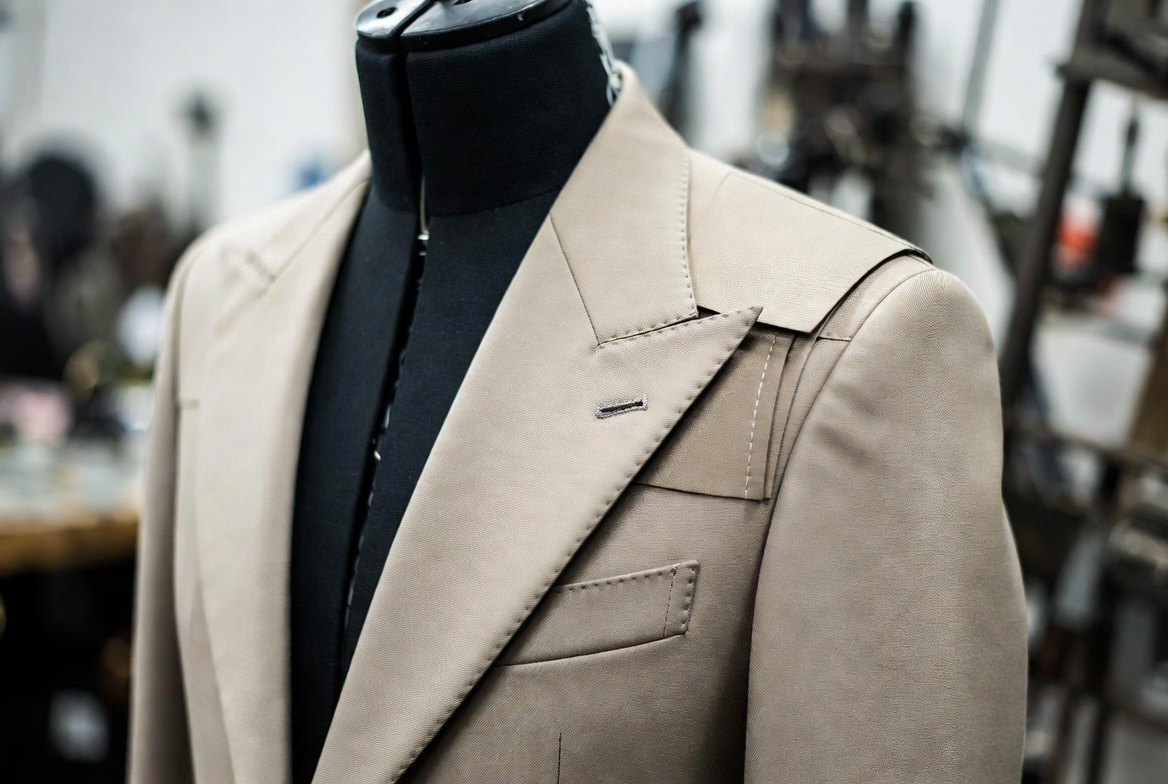
Lapels are one of the first visual cues people notice on a suit, and they carry a surprising amount of meaning. [dandylionstyle.co]
The main lapel styles are:
- Notch lapel: The most common style, with a small "V" notch between collar and lapel, suitable for business and everyday wear. [dandylionstyle.co]
- Peak lapel: Lapels that point outward and upward, creating stronger shoulders and a more dramatic, formal look—ideal for double‑breasted suits or statement jackets. [turnandriverbespoke]
- Shawl lapel: A continuous curved edge without a notch, typically seen on tuxedos and dinner jackets for evening occasions. [sousterandhicks]
Lapel width matters too; a moderate width (around 3–3.5 inches) tends to remain visually balanced across changing trends. [turnandriverbespoke]
Button style shapes how the jacket reads on the body: [customproc]
- Single‑breasted, two‑button: The most versatile and widely used configuration, flattering for most body types. [turnandriverbespoke]
- Single‑breasted, three‑button: Often suits taller wearers, with the middle button as the primary fastening point. [studiosuits]
- Double‑breasted: Two columns of buttons and an overlapping front, creating a more powerful, formal impression. [sousterandhicks]
A practical fit check: if a button creates an "X" crease when fastened, the jacket is too tight; if the front gapes or flaps open, it is too loose. [turnandriverbespoke]
Back vents—single, double, or none—affect mobility and how the jacket falls over the hips. Double vents are common in European tailoring for ease of movement, while single vents are widely used in international ready‑to‑wear. [dandylionstyle.co]
Trousers are often overlooked, yet they're responsible for half of the overall silhouette. As with jackets, terminology reflects both construction and aesthetics: [customproc]
- Pleated trousers: One or two folds at the front provide extra room in the thigh and comfort while sitting; they pair well with classic or wider leg cuts. [studiosuits]
- Flat‑front trousers: No pleats, giving a clean, modern line that suits slim and tapered fits. [studiosuits]
Whether pleated or flat‑front, consistency with jacket style and target audience is crucial. For example, business professionals may prefer flat‑front, while more traditional markets still favor pleats. [dandylionstyle.co]
Common trouser fits include:
- Slim fit: Tapers from thigh to ankle, emphasizing a sharp modern look. [customproc]
- Straight fit: Consistent width from thigh to hem, offering a balanced classic appearance. [turnandriverbespoke]
- Loose or relaxed fit: More fabric and drape for comfort and a traditional silhouette, often paired with pleats and higher waistlines. [sousterandhicks]
The break—how trousers meet the shoes—also defines the finished look, from a minimal, modern touch at the shoe's top to a fuller break covering more of the shoe. [youtube]
A suit worn formally practically requires a dress shirt, and its fabric and design should match both climate and event. [dandylionstyle.co]
Common considerations include:
- Fabric choice: Cotton remains the standard, but linen and blended fabrics are useful for warm climates, while heavier weaves support winter wear. [studiosuits]
- Collars: Spread, cutaway, button‑down, and classic point collars each create different visual lines and pair with particular tie knots. [tomjames]
- Cuffs: Single (barrel) cuffs with buttons for daily wear, and double (French) cuffs requiring cufflinks for more formal occasions. [turnandriverbespoke]
For retail buyers, offering a coordinated shirt option alongside suits simplifies outfit decisions for end users and increases basket value. [seosandwitch]
Even with a perfect jacket and trousers, poor shoe choice can diminish the entire look. Oxford shoes are a classic partner for tailored suits thanks to their closed lacing and streamlined silhouette. [dandylionstyle.co]
Key practical points:
- Leather quality and finish should match the formality of the suit. [tomjames]
- Regular cleaning and polishing maintain the professional impression over time. [studiosuits]
High‑end retailers and brands often pair suits with curated footwear recommendations or in‑store styling advice to protect the overall visual impact. [imarkinfotech]
Historically, waistcoats were standard in men's suiting, but material rationing in the mid‑20th century made them optional. Today, a waistcoat adds formality, structure, and visual interest, particularly for weddings, corporate events, or dress codes specifying "three‑piece." [sousterandhicks]
From a production perspective, waistcoat patterns must align perfectly with jacket fabric and color, avoiding mismatch across batches. [studiosuits]
A necktie or bow tie is often the final color accent and can subtly adjust perceived body proportions. Many stylists recommend a tie slightly darker than the shirt, in silk or equivalent fine fabric, with width and length tailored to the wearer's frame. [customproc]
The folded fabric placed in the jacket's chest pocket is generally called a pocket square or handkerchief. It doesn't have a functional role in modern contexts but serves as a signature detail that can echo or contrast the tie and shirt. [dandylionstyle.co]
Accessories might be small pieces, but they often become the visual "hook" that customers remember in brand campaigns and lookbooks. [seosandwitch]
As someone who has spent years reviewing suits for international buyers and end users, I recommend focusing on a few practical checks when selecting or sourcing suits. [tomjames]
1. Look at shoulder and chest balance
The jacket shoulder should sit naturally at the edge of your own shoulder without overhang or pulling, and the chest should lie flat when buttoned. [turnandriverbespoke]
2. Test movement
Raise your arms, sit down, and walk—any tight pulling at the back or excessive restriction around the armholes indicates the pattern or size is off. [customproc]
3. Assess internal construction
Pinch the front panel to feel for canvas; if possible, request technical details (canvas type, fusing method) from the supplier. [tomjames]
4. Check fabric performance
Ask about fabric weight, composition, and testing results (pilling, color fastness, dimensional stability). This is especially important for OEM orders where suits must survive international logistics and varied climates. [imarkinfotech]
5. Review finishing
Inspect buttonholes, lining attachment, pocket reinforcement, and pressing—small flaws here often indicate broader quality inconsistencies. [customproc]
A reliable manufacturer will provide sample suits and technical documentation that clearly explain these aspects, making it easier to build trust and long‑term cooperation. [imarkinfotech]
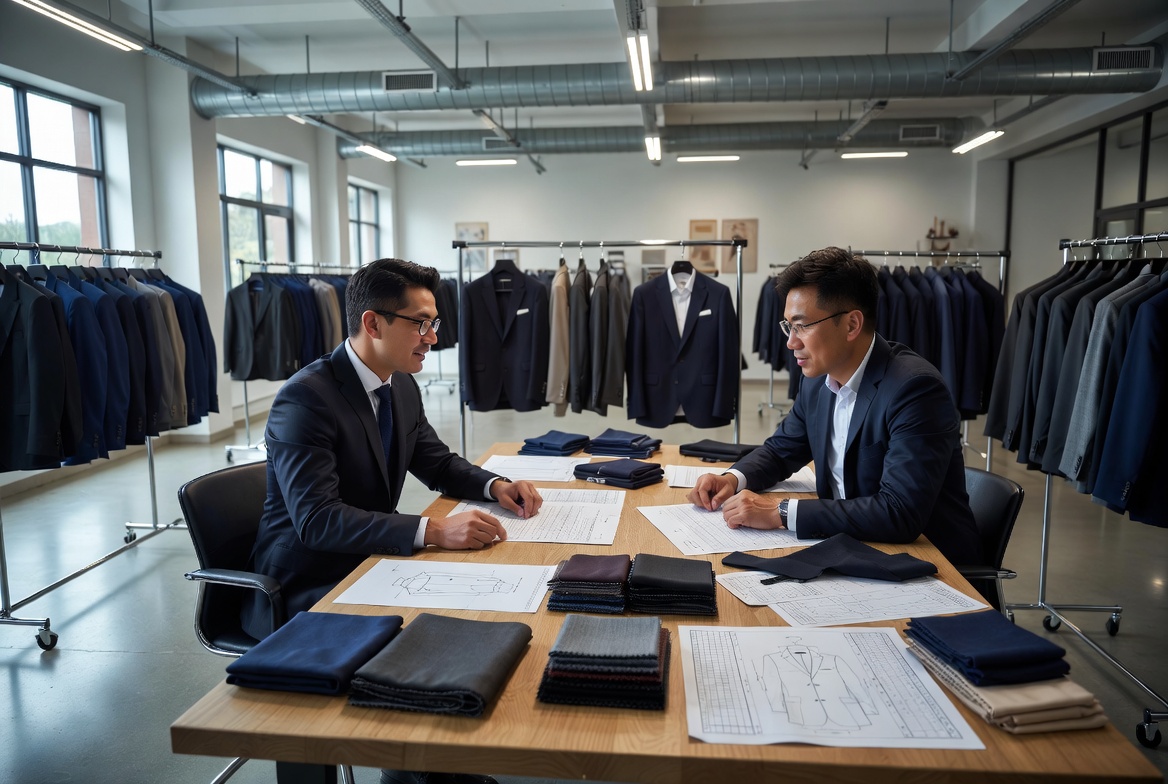
For foreign brand owners, wholesalers, and production managers, working with a specialized suit manufacturer in China allows you to convert detailed suit specifications into scalable product lines. By defining fabric ranges, canvassing types, lapel designs, and target fits (slim, regular, classic) upfront, you can build cohesive collections that resonate with local markets while keeping production efficient. [seosandwitch]
A good OEM partner will:
- Offer pattern customization to reflect regional body measurements and style preferences. [tomjames]
- Control fabric sourcing and color consistency across jackets, trousers, and waistcoats. [studiosuits]
- Provide graded size sets and fit samples for in‑store trials or photo shoots. [customproc]
- Support labeling, packaging, and brand‑specific details like signature linings or buttons. [seosandwitch]
Understanding the different parts of a suit is not just academic; it gives buying teams the vocabulary to communicate clearly with factories and ensures the final product matches both brand vision and customer expectations. [studiosuits]
Q1: What's the main difference between a two‑piece and a three‑piece suit?
A two‑piece suit includes a jacket and trousers, while a three‑piece adds a waistcoat for extra formality, structure, and warmth. [dandylionstyle.co]
Q2: Why does canvassing matter in a suit jacket?
Canvassing affects how the jacket drapes, breathes, and ages; full or half canvas typically offers better comfort and longevity than fully fused construction. [tomjames]
Q3: Are pleated trousers still appropriate for modern business wear?
Yes, single pleats remain common, especially for wearers who prefer more room through the thigh; flat‑front trousers simply offer a leaner, contemporary look. [customproc]
Q4: Which lapel style should I choose for my first business suit?
A notch lapel is the most versatile and widely accepted option for office wear, balancing timelessness and professional appearance. [dandylionstyle.co]
Q5: How can brands ensure consistent suit quality across large OEM orders?
Detailed tech packs specifying fabric, construction, and fit standards, combined with pre‑production samples and ongoing quality inspections, help maintain consistency from one batch to the next. [imarkinfotech]
1. StudioSuits. "Overview of the Different Parts of a Suit." https://www.studiosuits.com/blogs/articles/overview-of-the-different-parts-of-a-suit
2. Turn & River Bespoke. "The Anatomy of a Suit – Every Part Explained." https://www.turnandriverbespoke.com/the-anatomy
3. Tom James. "Anatomy of a Suit Explained: From Collar to Canvas." https://www.tomjames.com/blog/anatomy-of-a-suit/
4. Dandylion Style. "A Gentleman's Guide to the Parts of a Suit." https://dandylionstyle.co.uk/parts-of-a-suit
5. Souster & Hicks. "The Components of Suits and Their Origins." https://www.sousterandhicks.com/suit-components.html
6. CustomProc. "Mastering the Parts of a Suit: Essential Components Explained." https://www.customproc.com/parts-to-a-suit/
7. Galaxy Tailor / YouTube. "Anatomy of a Suit | Full Explained." https://www.youtube.com/watch?v=MtiFrMt83t4
8. SEOTakeoff. "SEO for Clothing Stores: The Complete Guide." https://www.seotakeoff.com/blog/seo-for-clothing-stores-complete-guide
9. iMark Infotech. "Fashion SEO: The Complete Strategy Guide for Clothing Boutiques and Brands in 2026." https://www.imarkinfotech.com/fashion-seo-the-complete-strategy-guide-for-clothing-boutiques-and-brands-in-2026/
10. SEOSandwich. "The Complete Guide to SEO for Fashion and Apparel." https://seosandwitch.com/fashion-seo/


