
Views: 232 Author: Youti Clothing Publish Time: 2026-07-12 Origin: Site


Content Menu
● Understanding Modern Men's Jackets
● How to Wear and Style a Suit Jacket
● How to Wear and Style a Blazer
● How to Wear and Style a Sports Coat
● Comparing Suit Jackets, Blazers, and Sports Coats
● Which Jacket Type Works Best for Different Occasions?
● Practical Jacket Selection Tips from Industry Experience
● Fit, Comfort, and Performance in Real Use
● Expert Notes for Brand, Wholesale, and OEM Buyers
Suit jackets, blazers, and sports coats may look similar at first glance, but each serves a different role in a modern menswear wardrobe, especially for buyers working with professional clothing manufacturers and OEM partners. Understanding these differences makes it easier to brief suppliers, specify fabrics, and design collections that match real-world occasions and customer expectations. [robertsiegers]
Men's tailored jackets have evolved from strict formal wear into versatile pieces that move between boardrooms, weddings, and smart‑casual events. Today, global buyers—from brands to wholesalers—want jackets that balance structure, comfort, and flexibility across multiple settings. As a clothing supplier, being clear on the functional and stylistic differences between jacket types is essential for product development, OEM projects, and buyer communication. [gushwork]

A suit jacket is designed as part of a full suit—traditionally a matched set of jacket, trousers, and sometimes a vest made from the same fabric and color. It has a structured shoulder line, a closer fit, and cleaner construction aimed at formal and semi‑formal occasions such as business meetings, ceremonies, and dress‑code events. [sana-commerce]
Common features include:
- Single‑breasted styles with two or three buttons, or double‑breasted styles with four to six buttons. [robertsiegers]
- Slim, tailored fit that assumes a dress shirt and often a light vest or fine‑gauge sweater underneath. [robertsiegers]
- Fabric and color designed to work as a coordinated outfit, not a standalone piece. [robertsiegers]
Because a suit jacket is built around coordination, it reads immediately as formal, especially when worn with matching trousers and classic leather shoes. For buyers specifying OEM production, this means tighter tolerances on pattern cutting, shoulder construction, and fabric selection to maintain the polished, coherent look. [blog.saleslayer]
A suit jacket works best when its formal character is respected but slightly adapted to modern dress habits. In strictly formal settings, it should be worn with matching trousers, a dress shirt, and finishing details such as a tie or pocket square. For more relaxed business environments, it can be combined with contrasting trousers while still keeping to refined fabrics and colors. [cazbah]
Key styling guidelines:
- Formal business: Matched jacket and trousers, pale shirt, dark leather shoes, minimal accessories. [robertsiegers]
- Smart office: Suit jacket with chinos or sharply pressed cotton trousers, open‑neck shirt or fine knit. [blog.saleslayer]
- Relaxed events: Slim jacket with dark jeans, clean sneakers or loafers, and a simple shirt, keeping the overall look tidy. [robertsiegers]
From a manufacturing standpoint, the suit jacket calls for higher‑end suiting fabrics, stable linings, and consistent color matching between jacket and trousers to meet buyer expectations. [gushwork]
A blazer is a standalone jacket, not tied to matching trousers, created originally as a way for the British upper class to bring variety and personality into a world dominated by black coats. It sits between formal and casual—structured enough for business‑casual settings, but flexible enough for social events and daily wear. [youtube]
Characteristic elements include:
- Single‑ or double‑breasted designs, often with distinct pocket treatments or metal buttons. [robertsiegers]
- Moderately tailored fit: sharper than a sports coat, less fitted than a suit jacket. [robertsiegers]
- Common colors such as navy, black, grey, and mid‑tones that pair with a wide range of trousers. [robertsiegers]
Because blazers are worn with non‑matching trousers, their design emphasizes versatility: they should look appropriate with dress pants, chinos, or dark denim. For OEM projects, blazers often require more attention to color palettes, button selections, and fabric weights to serve multiple use cases in one garment. [youtube]
Blazers excel at creating a polished but approachable look, making them a favorite for modern workplaces, travel, and social occasions. They work with different shirt types and footwear, giving buyers and end users broader styling options from a single product. [cazbah]
Practical styling ideas:
- Business‑casual: Navy blazer, light dress shirt, grey or beige trousers, leather loafers. [robertsiegers]
- Smart weekend: Blazer with an Oxford shirt or high‑quality t‑shirt, dark jeans, and minimalist trainers. [youtube]
- Social events: Blazer over a patterned shirt, tailored chinos, and discreet accessories such as a pocket square or wristwatch. [robertsiegers]
From a production perspective, blazers benefit from fabrics with good drape and comfort—such as wool blends, cotton‑rich weaves, or stretch materials—to allow movement without losing shape. [gushwork]
A sports coat (or sports jacket) began as countryside outerwear for gentlemen who needed practical, comfortable clothing that still looked refined. Today, it is the most casual of the three main tailored jackets, designed for ease of movement, texture, and pattern variety rather than strict formality. [sana-commerce]
Typical characteristics include:
- Looser, more relaxed fit compared with a suit jacket or blazer. [robertsiegers]
- Soft fabrics such as cotton, wool, cashmere, flannel, corduroy, or tweed. [robertsiegers]
- Informal patterns like checks and houndstooth that immediately signal a casual impression. [robertsiegers]
Because sports coats are conceptualized as "smart‑casual plus comfort," OEM buyers often choose more rugged or tactile fabrics and design details that support frequent wear—strong seams, resilient linings, and pockets optimized for everyday use. [gushwork]
Sports coats are ideal for occasions that fall between casual dressing and traditional tailoring. They give a relaxed, approachable look while still adding structure and sophistication compared with knitwear alone. [robertsiegers]
Common styling scenarios:
- Business‑casual offices: Sports coat with chinos, open‑neck shirt, and simple leather shoes. [robertsiegers]
- Social events and dinners: Textured sports coat, patterned shirt, dark trousers, and casual boots or loafers. [cazbah]
- Informal weddings or gatherings: Sports coat worn when the dress code allows guests to avoid full suits while still dressing up. [robertsiegers]
When specifying sports coats for production, buyers often request relaxed shoulders, slightly roomier cuts, and fabrics with visible texture—features that support layered outfits and movement. [gushwork]
Understanding how these jackets differ helps buyers choose products that truly match end‑user lifestyles and regional markets. Below is a practical comparison aligned with how clothing professionals evaluate styles when planning collections. [sana-commerce]
| Aspect | Suit Jacket | Blazer | Sports Coat |
|---|---|---|---|
| Formality level | Highest; designed for formal and semi‑formal events. (robertsiegers) | Mid‑range; fits both formal‑leaning and casual settings. (robertsiegers) | Lowest; ideal for smart‑casual and relaxed occasions. (robertsiegers) |
| Typical usage | Business meetings, ceremonies, dress‑code events. (robertsiegers) | Business‑casual offices, dinners, social gatherings. (robertsiegers) | Informal weddings, casual offices, weekend wear. (robertsiegers) |
| Fit profile | Slim and structured, close to the body. (robertsiegers) | Moderately tailored—neither very tight nor baggy. (robertsiegers) | Relaxed fit with more room for movement. (robertsiegers) |
| Fabric focus | Smooth suiting fabrics, strong color matching. (robertsiegers) | Versatile wools, cotton blends, and clear block colors. (robertsiegers) | Textured materials like tweed, corduroy, flannel, checks. (robertsiegers) |
| Pairing with trousers | Traditionally matching trousers; contrasts possible in modern styling. (robertsiegers) | Designed specifically for non‑matching trousers. (robertsiegers) | Always non‑matching, often with casual pants or denim. (robertsiegers) |
This functional and stylistic separation helps OEM decision‑makers map product lines to clear buyer needs: formal suiting, flexible office wear, and relaxed smart‑casual options. [gushwork]
Choosing between a suit jacket, blazer, and sports coat depends on the dress code, setting, and personal style preferences. For formal business or ceremonial events, the suit jacket remains the gold standard because it provides a fully coordinated and refined appearance. For everyday work or social gatherings, a blazer balances professionalism and comfort, while a sports coat brings in texture and informality for more relaxed environments. [cazbah]
Practical guidance:
- When the expected dress code emphasizes polish and structure, a suit jacket with matching trousers is the safest choice. [robertsiegers]
- When flexibility is needed across different meetings and social occasions, a blazer gives more outfit combinations. [robertsiegers]
- When the environment values comfort and individuality, a sports coat with casual trousers or denim is highly effective. [sana-commerce]
These distinctions are useful both for individual buyers and for international brands commissioning production runs from clothing manufacturers. [gushwork]
From years of working with global menswear buyers, several consistent patterns emerge in how jackets are evaluated and chosen. Buyers rarely think about a jacket in isolation: they consider climate, target customers, retail positioning, and regional style preferences. [gushwork]
Key expert insights:
- Start with use case: Identify whether the primary need is formal suiting, office layering, or casual smart‑wear before choosing jacket type. [robertsiegers]
- Match fabric weight to climate: Heavier tweeds and flannels suit cooler markets; lighter wool blends and cottons fit milder regions. [gushwork]
- Consider pattern tolerance: Some markets prefer solid colors, while others embrace bold checks and textures—this affects sports coat design. [sana-commerce]
For OEM projects, clear communication around these points helps align design, sampling, and bulk production with the expectations of international wholesalers and brand partners. [gushwork]
In practice, buyers and end users judge jackets less by technical terminology and more by how they feel from the moment they put them on. A suit jacket that looks sharp but restricts movement will quickly be rejected, while a well‑designed sports coat can become a weekly staple because it combines ease and style. [gushwork]
Important fit and comfort considerations:
- Shoulder construction: Structured shoulders support the formal look of suit jackets and blazers, while softer shoulders fit sports coats and casual environments. [robertsiegers]
- Body balance: A jacket must allow enough room across the chest and back for typical daily activities, especially in office or travel wear. [gushwork]
- Lining and breathability: Thoughtful lining choices help manage temperature and comfort over long wear periods in different climates. [sana-commerce]
These factors influence repeat purchase behavior and are often highlighted in buyer feedback, making them central to long‑term OEM relationships. [gushwork]
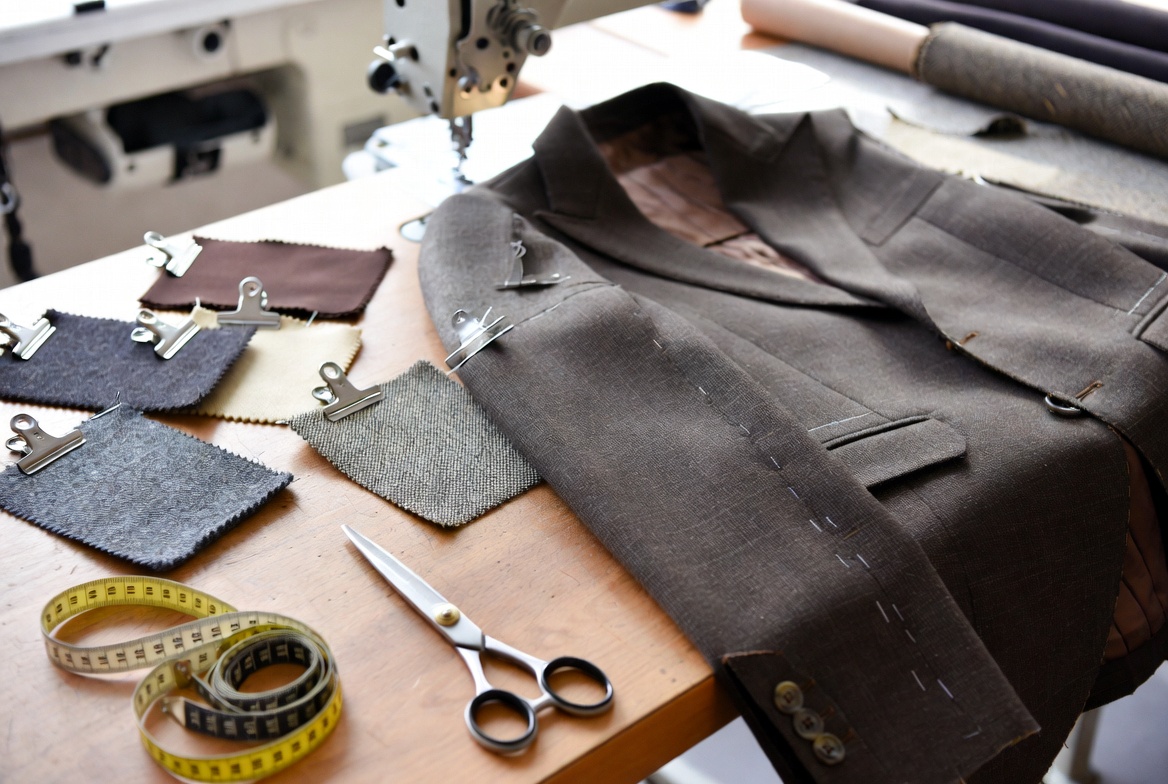
Professionals sourcing jackets from manufacturing partners consistently raise a common set of priorities: reliability, clarity, and adaptability. They need suppliers who understand the jacket categories deeply enough to translate style briefs into consistent, scalable products. [gushwork]
Practical expert notes:
1. Define the target audience and main scenarios of wear before finalizing jacket type, fabrics, and silhouettes. [sana-commerce]
2. Align product lines with clear positioning—formal suits, versatile blazers, and relaxed sports coats—rather than blending categories without purpose. [gushwork]
3. Use sample runs to test fit and fabric performance, collecting feedback from local markets or key clients before scaling orders. [gushwork]
This structured approach helps brands and wholesalers build coherent collections while using manufacturing partners effectively for long‑term growth. [gushwork]
1. Is a suit jacket always the most formal choice?
Yes, among the three jacket types discussed here, the suit jacket is designed for the highest level of formality because it forms part of a matched suit. It is the standard for business meetings, ceremonies, and occasions with clear dress expectations. [sana-commerce]
2. Can a blazer replace a suit jacket in professional settings?
A blazer can work well in business‑casual environments and many modern offices. However, when contracts are signed or ceremonies are held, a full suit with a matching jacket and trousers remains the more appropriate option. [cazbah]
3. When is a sports coat the best option?
A sports coat is ideal for smart‑casual and relaxed settings where comfort and personality matter more than strict formality. It works especially well for informal gatherings, casual offices, and social events that encourage individual style. [sana-commerce]
4. Do all three jacket types work with jeans?
Suit jackets can be paired with dark jeans in some relaxed environments, but this should be done carefully to avoid visual mismatch. Blazers and sports coats generally pair more naturally with denim and other casual fabrics. [youtube]
5. How should buyers choose fabrics for different jackets?
Smooth, coordinated suiting fabrics suit formal jackets best, while versatile wool or cotton blends work well for blazers. Sports coats benefit from textured materials such as tweed, flannel, and corduroy that support a more casual impression. [gushwork]
1. StudioSuits – "Suit Jacket, Blazer & Sports Coat: What's the Difference?" https://www.studiosuits.com/blogs/articles/suit-jacket-blazer-sports-coat
2. Robert Siegers – "SEO for Manufacturers: Strategies to Dominate Search in 2025" https://robertsiegers.com/en/seo-for-manufacturers
3. Sana Commerce – "The Complete Guide to SEO for Manufacturers" https://www.sana-commerce.com/blog/seo-for-manufacturers/
4. Gushwork – "5‑Phase SEO Strategy for Manufacturing to Boost …" https://www.gushwork.ai/blog/manufacturing-seo-strategy
5. Cazbah – "SEO for Manufacturing Companies: Your Complete Guide" https://www.cazbah.net/seo-for-manufacturing-companies-your-complete-guide/


