
Views: 231 Author: Youti Clothing Publish Time: 2026-07-21 Origin: Site


Content Menu
● Dinner Jacket vs. Tuxedo Jacket
>> Design and Detail Differences
>> When Each Style Makes Sense
● Key Features of a Well‑Made Dinner Jacket
>> Lapels, Buttons, and Structure
>> Lining and Internal Comfort
● Dinner Jacket Fabrics and Performance
>> Classic Wool and Wool Blends
>> Linen, Blends, and Modern Materials
● Styling a Dinner Jacket for Modern Events
>> Shirts, Ties, and Accessories
>> Color Choices for Different Occasions
● Fit, Comfort, and Real‑World Wear
>> Fit Essentials for Individuals
>> Feedback From Wearers and Customers
● Caring for a Dinner Jacket Over Time
>> Cleaning and Maintenance Practices
>> Simple After‑Event Checklist
● How OEM Dinner Jacket Production Works in China
>> Typical OEM Workflow for Formal Jackets
>> From Sampling to Bulk Production
● What Global Buyers and Brands Prioritize
>> Quality, Consistency, and Compliance
>> Practical Considerations: MOQ, Lead Time, and Flexibility
● How Shanghai Youti Approaches Dinner Jacket Projects
>> Combining Technical Expertise With Real‑World Use
>> Collaboration With Brand Owners, Wholesalers, and Producers
● Step‑by‑Step Guide to Choosing a Dinner Jacket
>> Checklist for Individual Buyers
>> Checklist for Brand Owners and Buyers
● Common Mistakes to Avoid With Dinner Jackets
>> For Wearers
● Frequently Asked Questions (FAQ)
A well‑chosen dinner jacket remains one of the most reliable ways for modern men to look polished, confident, and appropriately dressed at formal events worldwide. From the perspective of both a menswear specialist and an OEM manufacturer in China, understanding how dinner jackets are designed, produced, and styled helps individuals and brands make smarter decisions for their wardrobes and product lines.
A dinner jacket is more than just another tailored garment; it is a symbol of ceremony, respect, and occasion. When produced and fitted correctly, it bridges classic elegance with modern comfort, delivering a dependable choice for black‑tie events, weddings, formal dinners, and high‑profile business functions.
In markets where formalwear remains a sign of professionalism and status, demand for well‑made dinner jackets has stayed steady even as trends in casual clothing shift. At the same time, brands and wholesalers increasingly rely on specialized OEM factories in China to deliver consistent quality, scalable production, and flexible customization for formal jackets and eveningwear collections.
A dinner jacket is a tailored formal jacket typically worn in the evening for occasions that call for refined dress codes, such as black‑tie events, receptions, weddings, and formal dinners. It sits between a standard business suit jacket and a full tuxedo jacket in terms of formality, offering a clean, sculpted silhouette that pairs with dress trousers, a structured shirt, and a tie or bow tie.
Unlike everyday blazers or sport coats, a dinner jacket is constructed with sharper lines and deliberate fabric choices to look crisp under artificial lighting, camera flashes, and long evenings of wear. Classic versions feature satin or self‑fabric lapels, covered buttons, and carefully balanced proportions that flatter the shoulders and waist, ensuring the wearer appears composed throughout events.
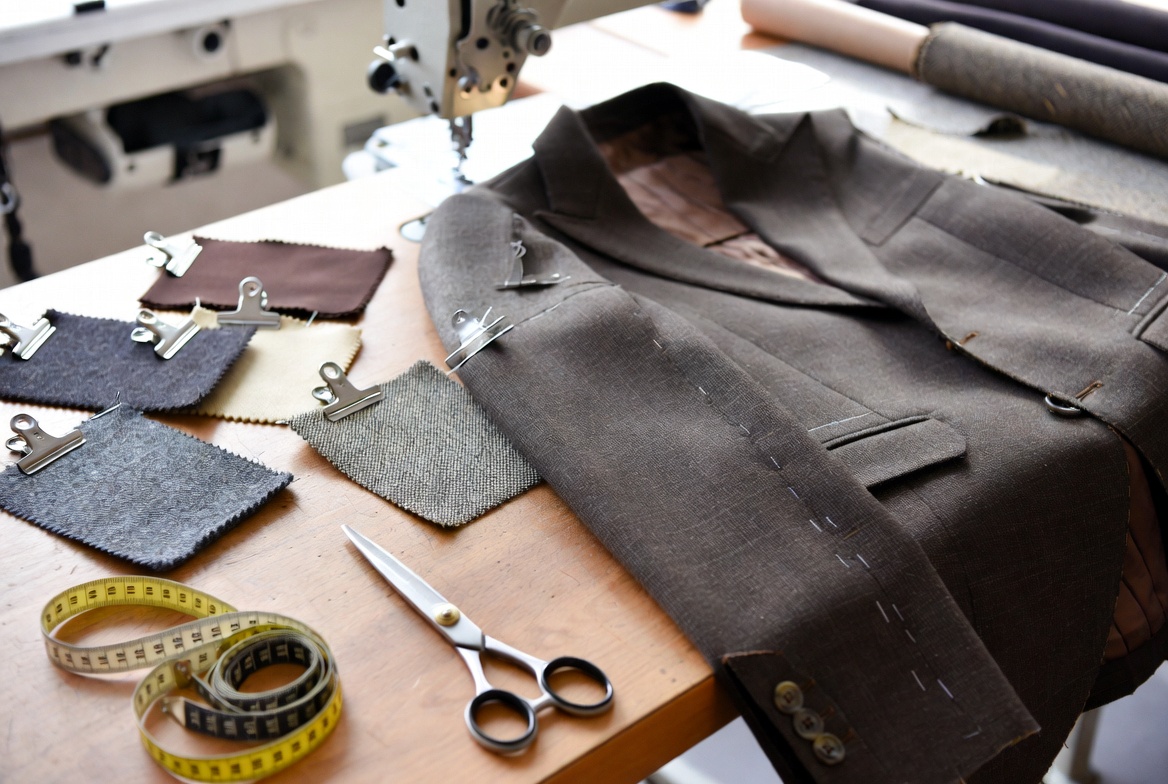
While many people casually use the terms interchangeably, a dinner jacket and a tuxedo jacket are not always the same. Traditional tuxedo jackets may come with satin or grosgrain lapels and more ceremonial detailing, while classic formal systems historically reserved certain tail or dress coats for the highest level of formality.
Dinner jackets typically omit tails and focus on a simpler, more versatile shape. They can feature satin‑faced lapels similar to tuxedos or lapels made from the same fabric as the body, allowing them to adapt to different dress codes, from black‑tie receptions to refined corporate functions.
A tuxedo jacket is most appropriate when invitations clearly indicate a strict formal code or when tradition strongly favors classic eveningwear. A dinner jacket, by contrast, offers slightly more flexibility and is ideal for events that are formal but less ceremonial, including many modern weddings and gala dinners.
For many men who attend a mix of formal and semi‑formal events, a dinner jacket can function as the "one good jacket" that covers multiple occasions without feeling out of place. Brands often find that including at least one versatile dinner jacket style in their collections helps meet customer demand for adaptable, long‑term wardrobe investments.
The lapel is one of the most visually important parts of a dinner jacket. Peak lapels create a strong, formal presence, shawl lapels convey smooth elegance, and notch lapels echo more traditional suit styling, each choice shaping how formal or contemporary the jacket appears.
Buttons on formal jackets are often covered with the same fabric as the jacket body, especially in white or ivory dinner jackets, to maintain a continuous, unbroken look. Inside the jacket, the choice of canvas, interfacing, and shoulder structure affects both durability and comfort, ensuring the garment holds its shape while still allowing natural movement.
A high‑quality lining helps the jacket glide over shirts and layers, which is crucial during long evenings of standing, dining, and moving between rooms. Smooth linings in breathable fibers or blends assist with temperature regulation and reduce friction at the shoulders and sleeves, especially when worn over dress shirts with textured fabrics.
In addition, careful interior construction—clean seam finishing, consistent stitching, and reinforced stress points—extends the life of the garment and reduces the risk of seam failure or puckering. Buyers and brand owners often inspect these interior details when approving samples from OEM factories, as they strongly influence perceived quality on store racks.
Wool remains the classic choice for dinner jackets because it drapes elegantly, resists wrinkles better than many lighter fibers, and provides natural warmth in cooler climates. Various weights of wool allow brands to tailor jackets to different regions, from heavier cloths suited to autumn and winter events to lighter worsted options for spring evenings.
Wool blends that incorporate fibers such as polyester or viscose can add durability, reduce cost, or adjust the hand‑feel of the fabric. These blends are common in large‑scale OEM production, where balancing performance and price is crucial for both wholesalers and retailers.
Linen and linen‑blend dinner jackets are favored for warm climates and destination events, offering a relaxed yet refined look that breathes well in high temperatures. The trade‑off is that linen wrinkles more easily, which some wearers appreciate as part of its natural charm, while others prefer blended fabrics that reduce visible creasing.
Semi‑synthetic fabrics and engineered blends, such as certain rayon‑polyester combinations, provide smooth finishes, color consistency, and abrasion resistance, which can be advantageous for jackets worn frequently or produced in large volumes. OEM factories often propose these options for brands that want a polished appearance with strong cost control and predictable performance under different lighting and climate conditions.
A dinner jacket works best when paired with a clean, well‑pressed dress shirt that frames the face and complements the jacket color. White shirts remain the most versatile option, but soft shades such as light blue or subtle patterns can also work in less traditional settings.
Neckties and bow ties both remain acceptable, with bow ties leaning more traditional and neckties providing a slightly more contemporary impression. Carefully chosen pocket squares, cufflinks, and understated dress watches help complete the outfit without overpowering the jacket's design, especially when metal tones and colors are kept harmonious.
- Black or midnight blue: Timeless choices for black‑tie events, formal dinners, and evening receptions.
- White or ivory: Ideal for warm‑weather occasions, resort settings, and special themed events, especially when paired with darker trousers.
- Seasonal or textured fabrics: Velvet, patterned weaves, or rich tones can provide personality for fashion‑forward events while still respecting formal codes when handled with restraint.
Modern style guidance emphasizes balance: enough personality to feel individual, but not so bold that the jacket becomes difficult to wear across multiple events. This principle helps both wearers and brands design dinner jackets that remain relevant over several seasons.
A well‑fitted dinner jacket should align with the wearer's natural shoulder line, neither collapsing nor extending too far beyond it. The sleeve length should allow a small amount of shirt cuff to show when the arms are relaxed, and the jacket length should balance the wearer's proportions without cutting the body visually in an awkward place.
Across the chest and waist, the jacket should follow the body without pulling at the buttons or forming deep creases. Guests often comment positively on jackets that feel secure yet comfortable throughout long events, with enough room to sit, reach, and move on the dance floor without strain.
Real‑world feedback from wearers frequently highlights three priorities: fit, comfort, and perceived value. Positive comments often mention that the jacket "feels premium," keeps its shape, and photographs well under event lighting, while negative reviews tend to focus on tight shoulders, long sleeves, or fabrics that wrinkle or shine more than expected.
Manufacturers and brands that listen closely to such feedback—adjusting size charts, refining patterns, and testing fabrics in realistic conditions—are better positioned to deliver dinner jackets that meet or exceed customer expectations in international markets.
Because dinner jackets often use fine fabrics, structured interlinings, and special finishes, many are designed for professional cleaning only. Over‑cleaning can shorten the lifespan of a jacket, so it is generally wiser to air the garment after each event, brush away surface dust, and reserve professional cleaning for visible dirt, odors, or stains.
Storing the jacket on a wide, supportive hanger helps preserve the shoulder shape, while breathable garment bags protect against dust and light exposure. Avoiding crowded closets and heavy items in the pockets further reduces stress on seams and fabric, keeping the jacket's silhouette sharp for longer.
- Hang the jacket on a broad, shaped hanger immediately after wear.
- Gently brush or shake off surface dust and lint.
- Air the jacket in a dry, ventilated space to release moisture and odors.
- Inspect for stains and arrange professional cleaning only when needed.
China remains a leading hub for apparel manufacturing, particularly for brands seeking cost‑effective, scalable production of formal garments such as dinner jackets. Specialized OEM factories follow structured workflows that combine design collaboration, technical precision, and quality control tailored to international standards.
The process usually starts when a brand shares its specifications and technical packs, including measurement charts, fabric choices, and construction details. Engineers and pattern makers review these documents, suggest adjustments for manufacturability, and then prepare patterns and first samples that translate design intent into practical, repeatable production.
Sampling typically goes through several stages, from initial prototypes to pre‑production samples that serve as the approved standard for bulk orders. Each round allows brands to test fit, fabric behavior, and details like lapels, buttons, and lining combinations, making corrections before large volumes are cut and sewn.
Once the pre‑production sample is approved, OEM factories schedule bulk production, aligning fabric procurement, cutting, sewing, finishing, and inspection into a coordinated calendar. Depending on design complexity and capacity, lead times from approved sample to shipment can range from a few weeks to a couple of months, with many factories offering flexible minimum order quantities for established clients.
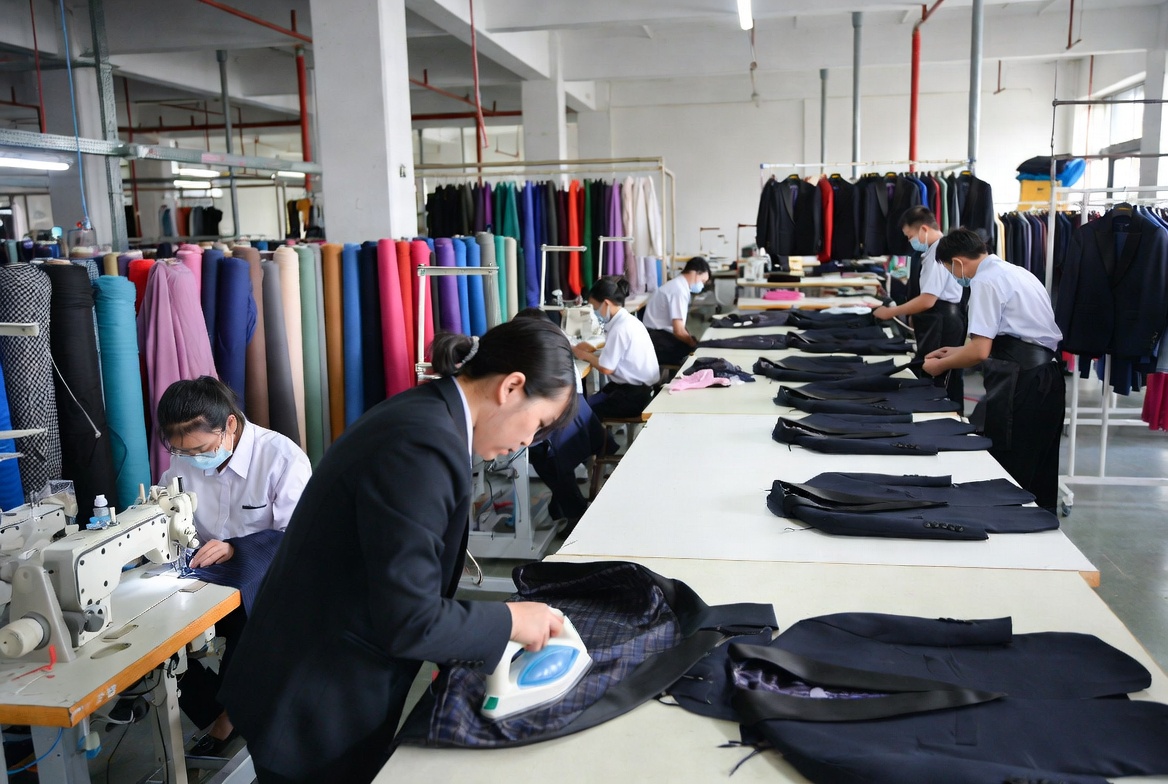
International buyers and brand owners assess dinner jackets not only by aesthetics but also by consistency across batches, factory reliability, and compliance with relevant standards. Consistent sizing, precise cutting, and dependable color matching are especially important for products that will appear on shelves and online platforms in multiple countries.
Many buyers also look for factories that operate under recognized certifications, maintain transparent sourcing, and document each stage of production and quality control. This helps protect brand reputation and ensures final garments meet expectations for workmanship, durability, and safety in target markets.
Brands often balance several practical factors when choosing an OEM partner for dinner jackets: minimum order quantities, lead times, and flexibility in handling new designs or smaller seasonal capsules. Factories that offer realistic minimums, clear timelines, and structured sampling processes make it easier for brands to plan launches and manage inventory risk.
Well‑organized OEM partners communicate proactively about production schedules, material availability, and any potential delays, which fosters trust and long‑term collaboration. For formalwear in particular, where many garments are tied to specific events and seasons, this kind of reliability can make the difference between successful and missed opportunities.
As a specialized jacket and outerwear supplier based in China, Shanghai Youti Clothing Co., Ltd. places strong emphasis on translating client concepts into dinner jackets that perform reliably in real situations. This approach integrates pattern development, fabric selection, and sample testing to align with the expectations of both wearers and international buyers.
By focusing on details such as shoulder balance, lapel shape, and lining comfort, the production team aims to ensure that each jacket feels stable and refined throughout formal events. At the same time, the company structures workflows to maintain consistency when projects scale from initial runs to larger repeat orders, supporting brand growth across multiple markets.
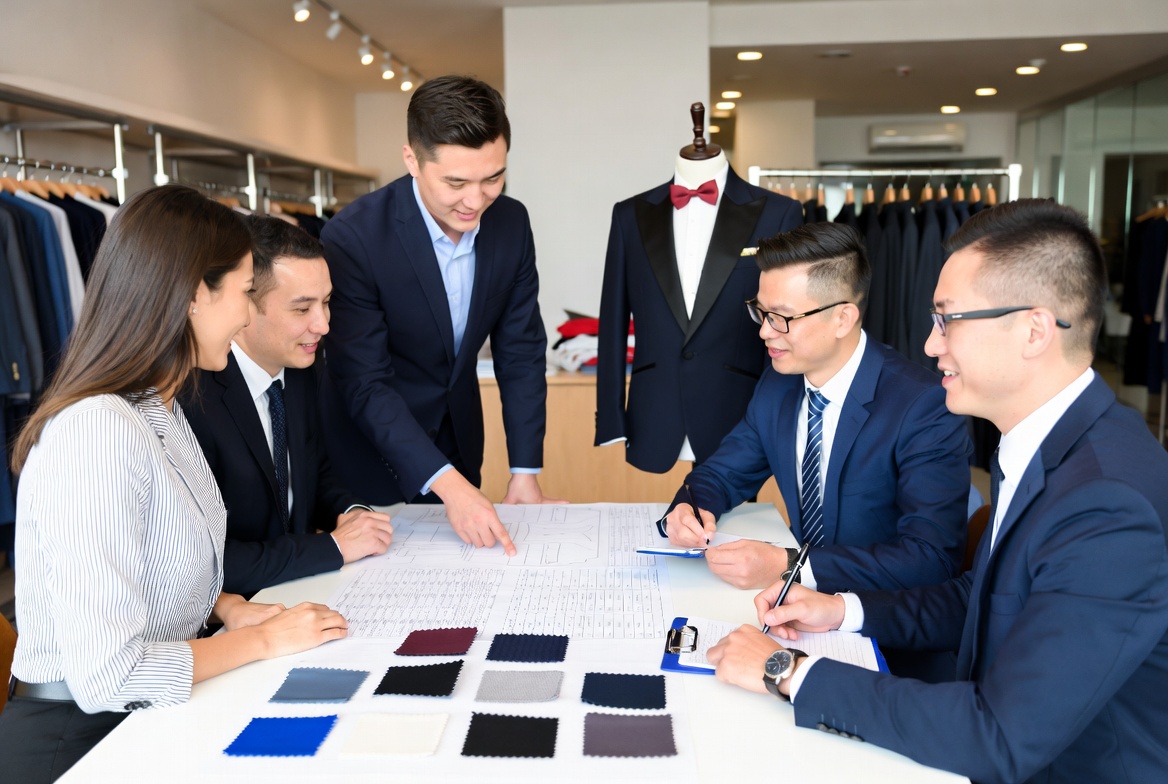
Projects typically begin with clear communication around fit standards, target markets, and product positioning, whether the goal is a timeless black dinner jacket or a seasonal capsule with modern fabrics. Through pattern approvals, sample reviews, and documented feedback, Shanghai Youti works to create a shared understanding of the garment before bulk production starts.
For brand owners, wholesalers, and producers, this collaborative process provides visibility into how each decision—from fabric weight to button choice—will affect the final jacket. The result is a formal garment designed not only to look distinguished but also to align with supply chain realities, retail timelines, and long‑term customer expectations.
1. Clarify the main occasions you attend, such as weddings, galas, or business dinners.
2. Select an appropriate fabric weight based on climate and season, choosing lighter options for warm environments and heavier wool for cooler venues.
3. Decide on a color palette, with black or midnight blue as the safest first choices and white or ivory reserved for specific settings.
4. Examine construction details, including lapels, buttons, lining, and stitching, to ensure the jacket looks refined up close.
5. Confirm the fit, paying close attention to shoulders, chest, sleeve length, and jacket length when standing and sitting.
6. Test overall comfort, moving your arms, walking, and sitting to check that the jacket moves with you rather than against you.
1. Define the target market and price range for your dinner jacket line.
2. Prepare detailed technical packs and measurement charts to share with OEM partners.
3. Evaluate potential factories based on experience with formal jackets, capacity, and certifications.
4. Schedule sampling rounds that allow time for fit testing and fabric performance evaluation before committing to bulk orders.
5. Align on minimum order quantities, lead times, and shipping terms early in the process.
6. Implement quality control checkpoints at fabric inspection, in‑line production, and pre‑shipment stages to maintain consistency.
- Choosing a jacket that is too tight in the shoulders or chest and hoping it will "settle" over time.
- Pairing the jacket with trousers in a completely different fabric and tone, which makes the outfit look accidental.
- Overloading interior and exterior pockets with heavy items that distort the jacket's lines.
- Neglecting basic maintenance, such as proper hanging and airing, which accelerates wear and deformation.
- Rushing sampling and approving patterns without adequate fit testing across size ranges.
- Underestimating lead times for fabric procurement and bulk production, especially during peak seasons.
- Failing to communicate clearly with OEM partners about quality expectations, resulting in inconsistent batches.
- Ignoring customer feedback on fit and comfort, which can accumulate into reputation issues over time.
Dinner jackets remain a cornerstone of men's formal wardrobes worldwide, offering a blend of ceremony, confidence, and long‑lasting style. When thoughtfully designed, made from suitable fabrics, and produced with careful attention to fit and construction, they can serve wearers reliably across many events and years.
For brands, wholesalers, and producers, working with experienced OEM partners in China unlocks access to integrated textile ecosystems, technical expertise, and scalable capacity for formal jackets. Through clear specifications, structured sampling, and responsive collaboration, it is possible to build dinner jacket collections that satisfy both demanding customers and the realities of modern apparel production.
1. Is a dinner jacket the same as a tuxedo?
No. A dinner jacket is a formal evening jacket without tails that can feature either satin or self‑fabric lapels, while a traditional tuxedo jacket often includes satin or grosgrain detailing and, in some classic versions, more ceremonial elements.
2. Can I wear a dinner jacket to a wedding?
Yes. A well‑fitted dinner jacket in black, midnight blue, or white is appropriate for many formal weddings, especially those held in the evening or specifying formal dress.
3. What shirt works best with a dinner jacket?
Most people choose a crisp dress shirt in white or a subtle light shade, ensuring the collar style works with a tie or bow tie and the fabric feels comfortable for several hours.
4. How often should I send my dinner jacket for professional cleaning?
It is usually best to rely on airing, brushing, and spot cleaning after typical events and reserve professional cleaning for visible stains, strong odors, or after several major occasions.
5. Why do some dinner jackets feel heavier than others?
Differences in fabric composition, lining type, and internal structure explain why some jackets feel heavier; pure wool and fully lined jackets often weigh more than lightweight blends or partially lined models.
6. What should brands look for when selecting an OEM partner for dinner jackets?
Brands should prioritize factories with demonstrated experience in formal jackets, clear communication practices, flexible minimum order quantities, reliable lead times, and robust quality control systems during sampling and bulk production.
1. StudioSuits. "The Beginner's Guide to Dinner Jackets." StudioSuits Blog. https://www.studiosuits.com/blogs/articles/the-beginners-guide-to-dinner-jackets
2. Mirpuri Bespoke Tailors. "A Guide to A Classic Dinner Jacket." https://www.mirpuri.com/pages/a-dinner-jacket-guide
3. Articles of Style. "A Guide to Dinner Jackets." https://www.youtube.com/watch?v=11F2ZiTiGvA
4. Sino Finetex. "China Apparel OEM Factory: Complete Guide to Sourcing, Manufacturing, and Quality Control." https://sinofinetex.com/china-apparel-oem-factory-complete-guide-to-sourcing-manufacturing-and-quality-control/
5. Groove Color. "A Deep Dive into the OEM Model with a China Custom Clothing Manufacturer." https://m.groovecolor.com/blog/A-Deep-Dive-into-the-OEM-Model-with-a-China-Custom-Clothing-Manufacturer_b11158
6. Sino Finetex. "How To Start An Apparel Brand With A China OEM Factory?" https://www.finetexglobal.com/how-to-start-an-apparel-brand-with-a-china-oem-factory/
7. LSLONG. "How Does OEM Clothing Production Work In China?" https://www.lslt-shirt.com/info/how-does-oem-clothing-production-work-in-china/
8. Global Growth Insights. "Formal Wear Market Trends | Forecast & Strategic Outlook." https://www.globalgrowthinsights.com/market-reports/formal-wear-market-123347
9. NingHow. "OEM ODM Clothing Manufacturer China: 7 Smart Proven Tips." https://ninghow.com/blog/oem-vs-odm-clothing-manufacturing-china-guide/
10. Mueller & Sohn. "Pattern Construction for Dinner Jackets and Occasion Wear." https://www.muellerundsohn.com/en/allgemein/frock-coats/
11. DTLA Print. "Unlock the Potential of Bulk Custom Apparel Manufacturing in China: A Tactical Playbook." https://www.dtlaprint.com/blog/unlock-the-potential-of-bulk-custom-apparel-manufacturing-in-china-a-tactical-playbook/


