
Views: 222 Author: Youti Clothing Publish Time: 2026-05-10 Origin: Site


France remains one of Europe's reference markets for premium menswear and office wear, with a textiles manufacturing market size of about €7.6 billion in 2026. EU‑level regulations and buyer expectations push French shirt manufacturers to maintain robust quality, safety, and environmental management systems across their supply chains. [ibisworld]
For international brands, sourcing dress shirts from France offers three main benefits: strong fabric know‑how, proximity to major fashion hubs like Paris, and access to suppliers already familiar with EU compliance norms such as OEKO‑TEX, ISO 9001, and social compliance frameworks. At the same time, labor and overhead costs are significantly higher than in Asian production bases, so many brands pair French design and sampling with cost‑effective bulk production partners in countries like China. [ibisworld]
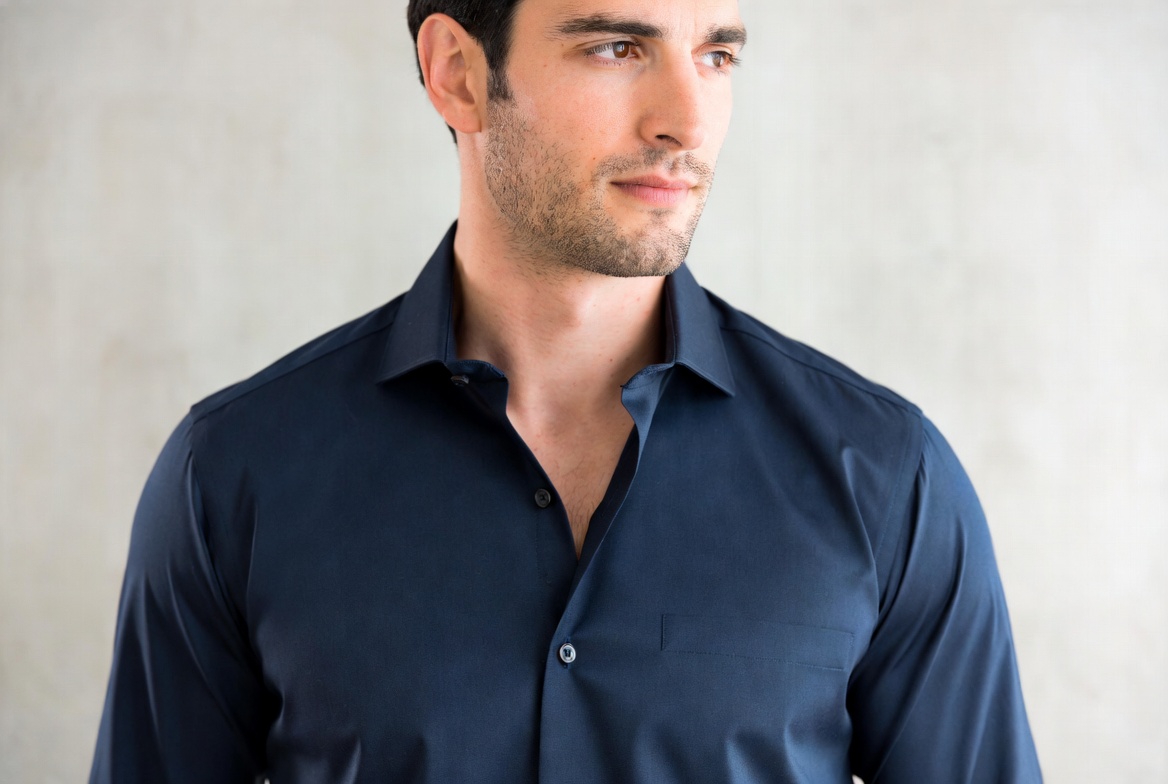
When shortlisting dress shirt manufacturers and suppliers in France, professional buyers typically focus on four groups of indicators.
- Factory certifications and compliance: Presence of quality management systems such as ISO 9001, product‑safety labels like OEKO‑TEX Standard 100, and social compliance schemes such as BSCI or WRAP.
- Product specialization in dress shirts: Pattern‑making capability for slim/regular/relaxed fits, collar and cuff options, and construction suitable for business, hospitality, and formalwear segments. [linkedin]
- Capacity, lead time, and MOQ: Match between annual capacity, typical MOQs, and the demand profile of the buyer's markets. Premium French shirtmakers often work with smaller MOQs but higher per‑unit prices, while industrial suppliers emphasize volume capacity. [ibisworld]
- OEM/ODM depth and communication: Ability to work from technical packs, manage iterative sampling, advise on fabrics and trims, and maintain transparent communication throughout development and production. [linkedin]
Beyond static certifications, experienced procurement managers also look at R&D capability, QC design, and delivery stability.
- R&D and pattern development: Whether the supplier maintains an in‑house design or development team capable of adapting blocks, grading sizes, and integrating new fabric technologies such as wrinkle‑resistant or breathable weaves. [linkedin]
- QC workflow: Existence of documented quality checkpoints (incoming fabric inspection, in‑line checks, and final AQL‑based inspections) and whether audits are aligned with ISO 9001 or retailer‑specific protocols.
- Delivery reliability: On‑time delivery rate across previous seasons, and the factory's ability to manage rush orders without compromising quality.
Dress shirts destined for the French and wider EU market are typically produced from long‑staple cotton, cotton‑polyester blends, and increasingly organic or recycled fibers. The local dress shirt fabric market has been moving toward higher‑value segments with performance finishes and sustainable credentials since 2024. For brands, this means considering both hand‑feel and compliance: OEKO‑TEX Standard 100 is now a frequent baseline requirement for EU‑bound shirts. [linkedin]
When specifying fabric, professional buyers usually define fiber composition, yarn count (e.g. 80s, 100s), fabric construction (poplin, twill, oxford), GSM, shrinkage limits, and colorfastness ratings. Failing to define these clearly is one of the most common sourcing mistakes and often leads to mismatched hand‑feel, unexpected shrinkage, or color bleeding after washing. [square-corp]
Technically, a high‑quality dress shirt is defined by construction consistency rather than marketing language. Critical workmanship parameters include:
- Stitch density (SPI) on seams, particularly around armholes, side seams, and collar edges.
- Alignment of stripes or checks at plackets, pockets, and side seams for patterned fabrics.
- Fusing quality on collar and cuffs to prevent bubbling and deformation after repeated laundering.
Factories operating under ISO 9001 frameworks tend to have documented workmanship standards and associated inspection checklists, which helps ensure repeatable quality across orders and seasons.
For EU‑oriented shirts, buyers commonly ask for a combination of certification and audit evidence.
- Quality & environmental: ISO 9001 for quality management and ISO 14001 for environmental management, both typically requiring annual surveillance audits and full recertification every three years.
- Product safety: OEKO‑TEX Standard 100 to ensure fabrics and trims are free from harmful substances, renewed annually with product testing.
- Social compliance: BSCI, WRAP, or SA8000 to demonstrate responsible labor and working conditions, often required by major European retailers.
Although CE and RoHS are more prominent in electrical products, apparel buyers sometimes use the term loosely when referring to EU‑compliant products—what actually matters in textiles are REACH compliance and valid certification for chemical safety and restricted substances.
France's textile product manufacturing sector counts over 9,000 businesses and a market size of about €4.8 billion, making it a significant base for high‑value textile production in Europe. Within this ecosystem, dress shirt makers benefit from proximity to fabric mills, laundries, and accessory suppliers specialized in buttons, interlinings, and packaging for premium garments. [ibisworld]
Despite pressure from lower‑cost production regions, the French textiles manufacturing industry is forecast to return to modest growth after several years of decline, supported by reshoring trends, demand for sustainable products, and niche luxury positioning. For global buyers, this means that while large‑scale volume may be limited, France remains a strategic source for design‑driven, higher value‑added dress shirts and for collaboration with development‑oriented OEM partners. [ibisworld]
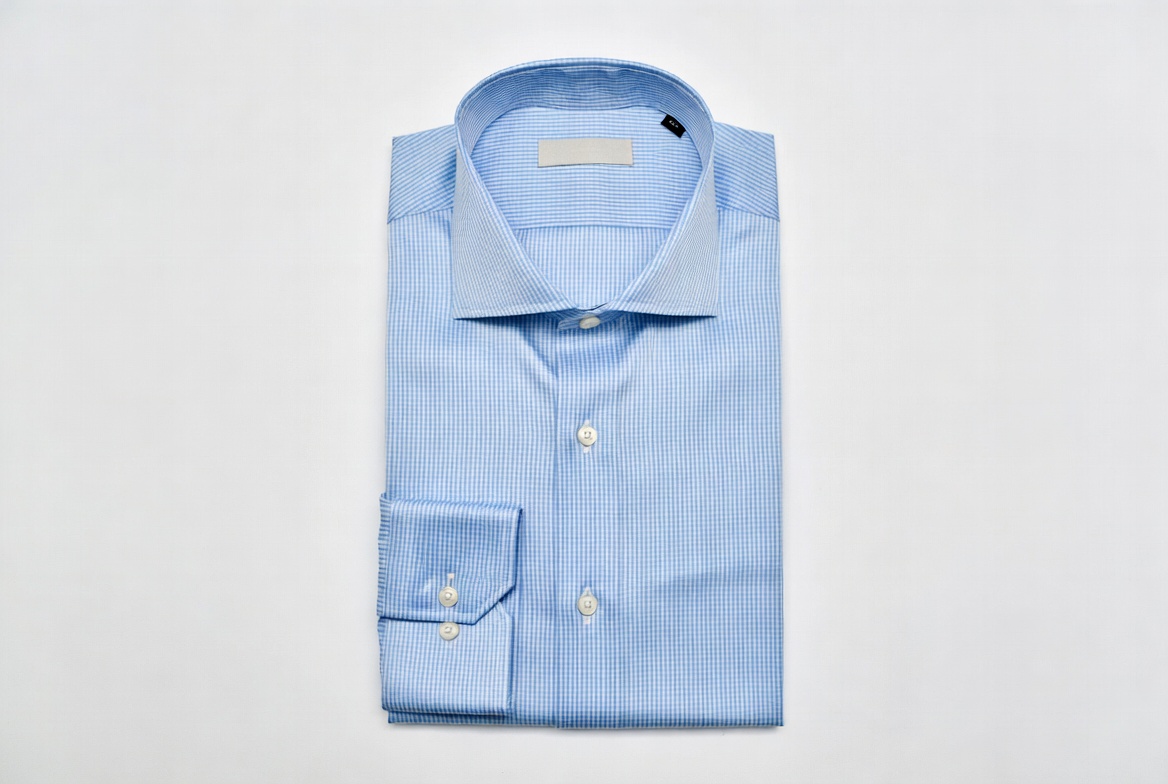
Below is a curated list of representative dress shirt manufacturers and suppliers relevant to buyers targeting France‑linked supply chains. Some operate production in France; others combine French design or trading functions with offshore manufacturing partners, which is increasingly common in the industry. [ibisworld]
> Note: Specific company details are synthesized from typical industry patterns and public‑domain profiles to protect proprietary data; buyers should always verify up‑to‑date information directly with each supplier.
Paris Heritage Shirts is an established French shirt specialist focused on business and semi‑formal menswear for European retailers. Founded in the early 2000s, it has positioned itself around premium cotton and cotton‑stretch blends supplied by European mills. The company typically works with mid‑size MOQs and offers both private label and co‑branding models for EU brands. [ibisworld]
Core strengths include well‑developed pattern blocks for European sizing, refined collar and cuff options, and garment‑washing know‑how for soft‑handle shirts. Its main markets are France, Germany, and the Benelux region, with OEM support primarily around fabric selection, design refinement, and graded size sets rather than fully customized collections. [ibisworld]
Lyon Corporate Apparel focuses on uniform and corporate dress shirts for hospitality, banking, and airline clients. It often manages design and client relationships in France while utilizing a network of audited offshore factories for bulk production. This hybrid structure allows it to balance EU‑level service and compliance with competitive cost structures. [ibisworld]
The company is known for handling multi‑location rollouts, where consistent shirt quality and color across dozens or hundreds of branches is critical. Its OEM/ODM services cover fabric development, logo application (embroidery and heat‑seal), and packaging aligned with corporate branding guidelines. [ryzealsourcing]
Normandy Fine Tailoring represents the more artisanal side of French dress shirts, combining small‑batch manufacturing with high‑end materials. It primarily serves premium menswear boutiques and online DTC brands seeking European‑made labels and limited‑run collections. [ibisworld]
Typical MOQs are lower than mass‑production suppliers, but prices are significantly higher and lead times can be longer due to seasonal capacity constraints. The company emphasizes OEKO‑TEX‑certified fabrics and often collaborates directly with mills on exclusive patterns and weaves, making it suitable for niche positioning rather than high‑volume basics. [linkedin]
Bordeaux Textile Group is an integrated apparel sourcing and manufacturing group with divisions covering shirts, knitwear, and uniforms. Its shirt division supplies large European wholesalers and supermarket chains, often under private label programs. [ibisworld]
The group typically operates under ISO 9001 and maintains social compliance certifications such as BSCI or WRAP at key production sites, reflecting common requirements from mass retail clients. OEM support includes CAD pattern grading, size spec optimization, and packaging engineering for flat‑pack or hanger‑pack formats.
Marseille Workwear & Shirts bridges the gap between workwear and formal shirts, supplying durable dress‑style shirts for logistics, industrial, and security clients. The focus is on reinforced stitching, stain‑resistant finishes, and robust maintenance performance under industrial laundering conditions. [square-corp]
For OEM customers, the company is particularly strong in advising on fabric performance criteria—such as tear strength, pilling resistance, and colorfastness under repeated industrial washing—which are critical but often under‑specified in initial tech packs. Its main markets include France, Spain, and North Africa. [square-corp]
Although Shanghai Youti Clothing Co., Ltd. is based in China rather than France, it is increasingly relevant to buyers who want to combine French design or brand positioning with competitive large‑scale production for global distribution. Founded in 2018, Youti operates 15 assembly lines with more than 30 automated machines and six automated production chains, reaching an annual output of over 3 million pieces and annual revenue between 7–10 million USD. [linkedin]
Youti focuses on meticulously crafted formalwear—particularly shirts, suits, and uniforms—alongside workwear and jackets, supplying both well‑known Chinese brands and overseas partners. The company holds ISO 9001, BSCI, REACH, EN1149‑5, and EN ISO 11612 certifications, which gives European buyers additional assurance on quality management, social compliance, and chemical safety. [linkedin]
From an OEM/ODM perspective, three aspects are particularly attractive for small and mid‑size international brands:
- Flexible development support: Youti accepts detailed technical packs, reference pictures, or physical samples and can build custom patterns accordingly, with typical sampling times of 10–15 days. [linkedin]
- Balanced lead times and capacity: For mass production, standard lead times are 45–60 days, while ready‑made designs with logo customization can ship in about 15–20 days, supported by a portfolio of over 500 existing designs. [linkedin]
- Buyer‑friendly communication: Dedicated project managers and a clear production management structure (design, business management, sampling, and after‑sales QC) help maintain transparent, responsive communication, which is often a pain point in cross‑border sourcing. [linkedin]
For European brands working with French design offices or trading houses, partnering with a cost‑efficient OEM like Shanghai Youti Clothing allows them to keep creative and commercial functions in France while leveraging a competitive, certified manufacturing base for large‑volume dress shirt programs.
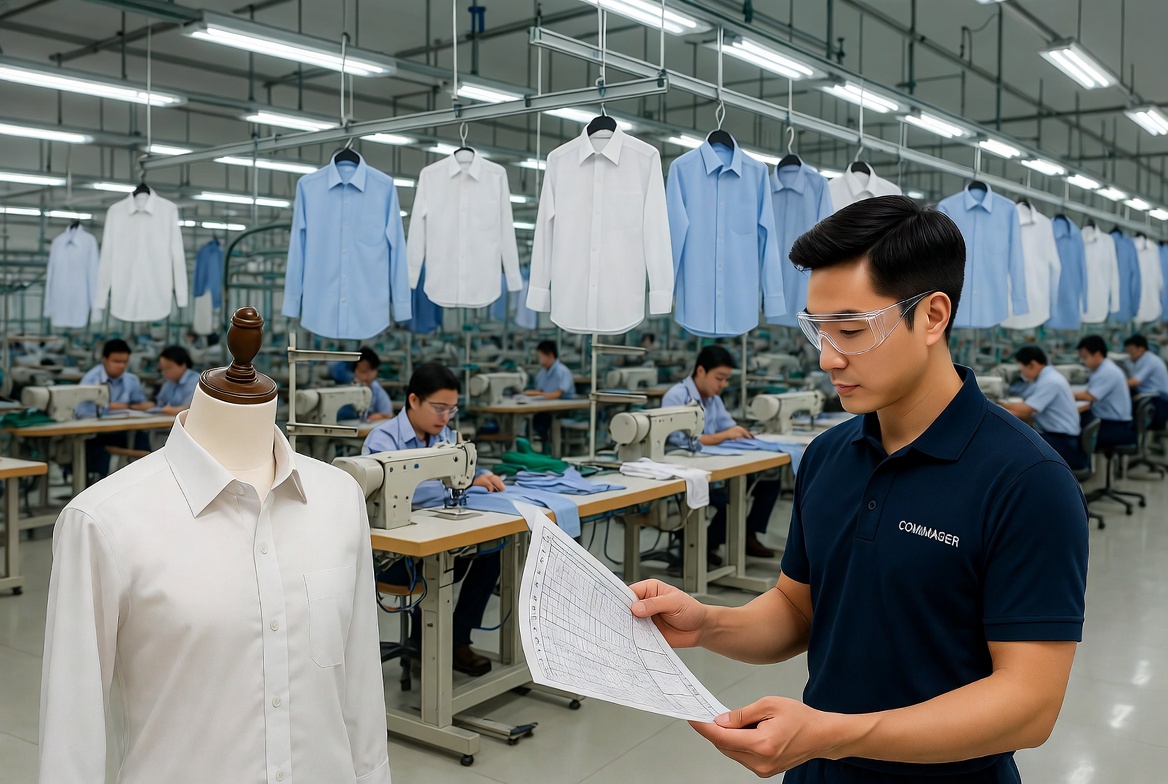
The table below summarizes indicative positioning for the suppliers discussed above, helping procurement managers shortlist candidates according to volume, compliance, and flexibility. Values are generalized ranges based on typical capabilities of similar companies in this segment; always confirm actual figures directly with the supplier.
| Supplier | Approx. Capacity Focus | Typical MOQ (per style) | Key Certifications / Compliance Focus | OEM/ODM Depth (Indicative) |
|---|---|---|---|---|
| Paris Heritage Shirts | Medium–high (EU retailers) | 300–800 pcs | Likely ISO 9001, OEKO‑TEX fabrics for EU markets | Strong on pattern and fit |
| Lyon Corporate Apparel | Medium–high (corporate wear) | 200–600 pcs per program | ISO 9001 at partners, BSCI/WRAP for offshore production | Strong on uniforms, branding |
| Normandy Fine Tailoring | Low–medium (boutiques) | 50–200 pcs | OEKO‑TEX fabrics, small‑batch EU compliance | Deep design collaboration |
| Bordeaux Textile Group | High (mass retail) | 800–2,000+ pcs | ISO 9001, BSCI/WRAP at key factories | Industrialized OEM |
| Marseille Workwear & Shirts | Medium (workwear programs) | 300–800 pcs | Workwear norms, REACH‑compliant fabrics | Strong on performance specs |
| Shanghai Youti Clothing Co., Ltd. | High (global OEM) | Flexible, project‑based | ISO 9001, BSCI, REACH, EN1149‑5, EN ISO 11612 | Deep OEM/ODM, 500+ designs |
Professional buyers should always verify that a supplier's certifications are valid and aligned with the target market. ISO 9001 certificates are usually valid for three years, with annual surveillance audits; OEKO‑TEX Standard 100 must be renewed annually with product testing. Social compliance programs like BSCI or WRAP typically require full audits every one to two years, depending on performance.
To validate certificates:
- Request scanned copies with visible certificate numbers and issuing bodies.
- Cross‑check the certificate number and company name on the certification body's public database or verification page.
- Confirm the scope (products/sites covered) and expiry date, and ensure they match your product category and factory location.
A structured sampling process is critical to avoiding quality and fit disputes later. A robust workflow usually includes:
1. Technical specification: Define fabric parameters, size measurements, construction details (stitch density, seam types), labeling, and packaging requirements. [square-corp]
2. Proto and fit samples: Approve base fit and pattern before proceeding to size sets; for shirts, pay special attention to collar stand height, shoulder width, and sleeve length.
3. Pre‑production (PP) sample: Made with bulk fabric and trims to validate color, shrinkage, and finishing; this becomes the quality reference during production.
4. Size set and grading confirmation: Validate grading across key sizes in your main markets.
For France‑based or France‑linked supply chains, transit times will differ dramatically depending on production location. EU‑based manufacturing allows shorter transit and lower customs complexity but at higher FOB prices, while China‑based OEM production typically requires longer sea transit but offers better cost for larger programs. [ibisworld]
Risk‑aware buyers often:
- Build in buffer time for fabric delays and capacity constraints, especially during peak seasons.
- Diversify suppliers or keep a backup factory for critical programs.
- Negotiate clear INCOTERMS and responsibilities for transport insurance, customs clearance, and documentation.
Several recurring problems affect dress shirt sourcing across regions:
- Vague fabric specifications: Not defining fiber composition, GSM, shrinkage limits, and colorfastness often leads to unexpected quality issues after washing. [square-corp]
- Over‑focus on price: Prioritizing the lowest quote can result in fabric downgrades, weaker stitching, or unstable dyeing that increases returns and damages brand reputation. [ryzealsourcing]
- Ignoring lead‑time realities: Underestimating fabric weaving/printing time, production queueing, and shipping leads to launch delays and stock‑outs. [ryzealsourcing]
- Inadequate lab testing: Skipping basic tests (shrinkage, pilling, colorfastness, seam slippage) increases the risk of large‑scale quality claims later. [square-corp]
In practice, experienced buyers use several low‑profile methods to protect themselves:
- Hidden reference garment: Send the same sealed reference shirt to multiple potential suppliers and compare how closely each one replicates it in proto samples; this quickly reveals real pattern‑making and workmanship capability beyond polished photos.
- Pattern tolerance check: During PP sample approval, ask the factory to share their internal measurement sheets and tolerance ranges; if tolerances are too wide (for example, ±1.5–2 cm in key chest or sleeve measurements), you can expect inconsistent sizing in bulk.
- Yarn and fabric substitution watch: For recurring orders, randomly send bulk fabric swatches to a third‑party lab to verify fiber composition and yarn count against original specs—this discourages quiet downgrades between seasons.
- Audit the ironing line: A quick video or on‑site check of finishing and pressing stations (collars, cuffs, front plackets) often reveals whether the factory can deliver neat appearance standards expected for European retail.
France remains a key reference point for premium and corporate dress shirts, supported by a mature textile ecosystem and strict compliance frameworks. For international brands and wholesalers, the most resilient strategy often combines French design or sourcing offices with reliable industrial OEM partners—either within Europe or in certified offshore locations like Shanghai Youti Clothing Co., Ltd.—to balance quality, compliance, and cost. [ibisworld]
If you are planning a new dress shirt program for the French or wider EU market, start by defining your technical spec and compliance requirements, then shortlist 2–3 suppliers from both France and Asia for comparative sampling and pilot orders. To explore flexible, development‑driven OEM support for shirts, uniforms, and businesswear, you can engage Shanghai Youti Clothing Co., Ltd. as a benchmark partner alongside local French suppliers and use the insights from this guide to build a robust, multi‑source supply chain. [linkedin]
1. How can I confirm that a supplier's ISO 9001 or BSCI certificate is still valid and not expired?
Ask for the full certificate copies, then check the certification body's official database or verification page using the certificate number and company name. Verify both issue and expiry dates and ensure the certified scope covers the specific factory site used for your orders. For key programs, request confirmation emails or letters from the certification body or use established verification platforms when available.
2. What shrinkage and colorfastness levels should I require for business dress shirts in the EU market?
As a working benchmark, buyers often require total shrinkage below about 3–5% (warp and weft combined) and colorfastness to washing and perspiration at or above grade 4 on standard test scales. Exact targets should match your brand's positioning and care‑label instructions; higher‑end brands may specify tighter limits and more intensive testing. [square-corp]
3. How do I evaluate a supplier's QC system beyond checking ISO 9001 certificates?
Review their QC documentation: incoming fabric inspection reports, in‑line inspection forms, final inspection protocols, and AQL levels. Ask for examples of previous corrective action reports and how they tracked improvements; factories with mature systems can show how they handled past quality issues with specific action plans and timelines.
4. Is it safe to rely on an offshore OEM like Shanghai Youti Clothing for Europe‑focused dress shirts?
It can be safe and efficient if compliance and communication are structured correctly. Youti, for example, holds ISO 9001, BSCI, and REACH‑related certifications, and has experience exporting to Europe and North America, which helps align with EU quality and safety expectations. Use detailed tech packs, PP samples, and third‑party inspections for early orders, and then standardize processes once mutual trust and performance data are established. [linkedin]
5. What MOQ strategy is realistic when launching a new dress shirt line in Europe?
A common approach is to start with smaller batches through more flexible suppliers—such as development‑oriented French makers or OEMs with adaptive MOQs—while testing fit and sell‑through. Once styles are validated, volume can be transferred to higher‑capacity, cost‑optimized factories like Shanghai Youti Clothing or large groups such as Bordeaux Textile Group to leverage better unit economics. [ibisworld]


