
Views: 222 Author: Youti Clothing Publish Time: 2026-04-30 Origin: Site


China remains one of the most strategic sourcing bases for work uniforms thanks to its mature textile clusters, large-scale garment factories, and increasingly robust compliance systems. For procurement managers, however, the challenge is no longer "finding a supplier" but identifying a reliable long‑term partner with consistent quality, strong OEM capability, and transparent processes. [leelinework]
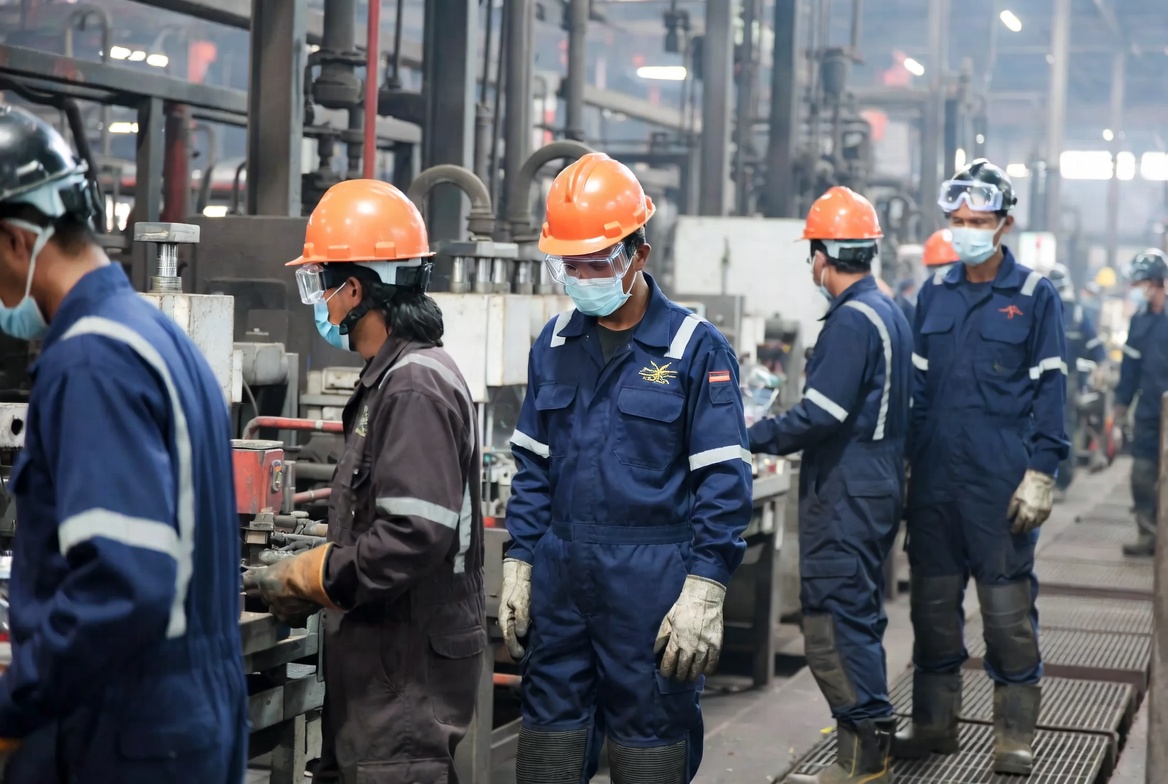
Before shortlisting work uniforms manufacturers, we apply a structured evaluation framework that mirrors how experienced global buyers run supplier audits. This helps filter out factories that look good online but cannot support stable, repeatable production in reality. [seller.alibaba]
Key dimensions include:
1- Factory certifications and audits
- ISO 9001 (quality management system) to ensure documented processes for pattern making, cutting, stitching, inspection, and complaints handling. [shanghaigarment]
- Social compliance audits such as BSCI or WRAP where available, especially for EU and North American buyers. [shanghaigarment]
- Product‑relevant standards where applicable (for example EN ISO 20471 for high‑visibility garments, EN ISO 11612 for heat and flame protection, or local equivalents referenced in buyer specs).
2- R&D and technical capabilities
- In‑house pattern development, size grading for different regions, and the ability to translate technical tech packs into production‑ready patterns. [leelinework]
- Knowledge of performance fabrics: polyester‑cotton blends for durability, ripstop for tear resistance, spandex blends for stretch, moisture‑wicking finishes, and anti‑static or flame‑retardant treatments for specific industries. [garment.dony]
3- Quality control workflow
- Incoming fabric inspection (color fastness, GSM, shrinkage, pilling).
- In‑process checks (stitch density, seam strength, alignment of reflective tapes, logo/embroidery accuracy). [mmsclothing]
- Final AQL inspection before packing, often supported by third‑party QC for overseas buyers. [mmsclothing]
4- Delivery reliability and capacity
- Clear capacity planning (e.g., monthly output for coveralls or jackets) and proven on‑time delivery history for repeat orders. [bwworkwear]
- Lead times differentiated for first orders vs. repeat orders (development, sampling, bulk).
5- OEM/ODM service depth
- Ability to support low‑to‑medium MOQs for new collections while still running large, rolling programs for big accounts. [leelinework]
- Technical support for branding (logo placement, embroidery and print standards, packaging design). [mmsclothing]
This article applies these criteria to highlight 10 representative Chinese work uniforms manufacturers, including both large‑scale export factories and flexible OEM partners focused on SMEs.
China's workwear and uniforms market was valued at around 7.51 billion USD in 2025 and is projected to grow at a CAGR of about 15.1% from 2026 to 2033, driven by industrial expansion, logistics growth, and stricter workplace safety requirements. This demand reinforces a sophisticated supply base and continuous investment in machinery, automation, and technical textiles. [linkedin]
Strategic advantages for overseas buyers include:
- Mature industrial clusters: regions such as Zhejiang, Jiangsu, Guangdong, and Fujian concentrate weaving, dyeing, accessories, and garment assembly, reducing lead times and logistics complexity. [garment.dony]
- Scale plus specialization: you can find everything from basic poly‑cotton work shirts to multi‑norm protective garments within the same sourcing ecosystem. [garment.dony]
- Growing compliance awareness: more factories now understand audit requirements from EU/US brands and align their systems with ISO, BSCI, and similar frameworks. [shanghaigarment]
At the same time, many international buyers are diversifying supply chains and benchmarking China against emerging production countries, which pushes serious Chinese manufacturers to raise their game on transparency, communication, and service. [bwworkwear]
To keep this guide actionable for procurement managers, we applied transparent and practical filters: [leelinework]
- Focus on work uniforms or workwear as a main product category (industrial, safety, corporate, or hospitality).
- Proven export experience and visibility in English‑language channels.
- Evidence of OEM/ODM capability (custom design, logo application, pattern development).
- At least 10 years of industry experience or strong rapid‑growth record in export markets.
- Public or verifiable indicators of quality systems (ISO/BSCI/WRAP or equivalent internal QC systems).
This list is not exhaustive and is intended as a starting point for supplier screening. You should always conduct your own due diligence, including audits and lab testing, before committing to long‑term programs. [shanghaigarment]
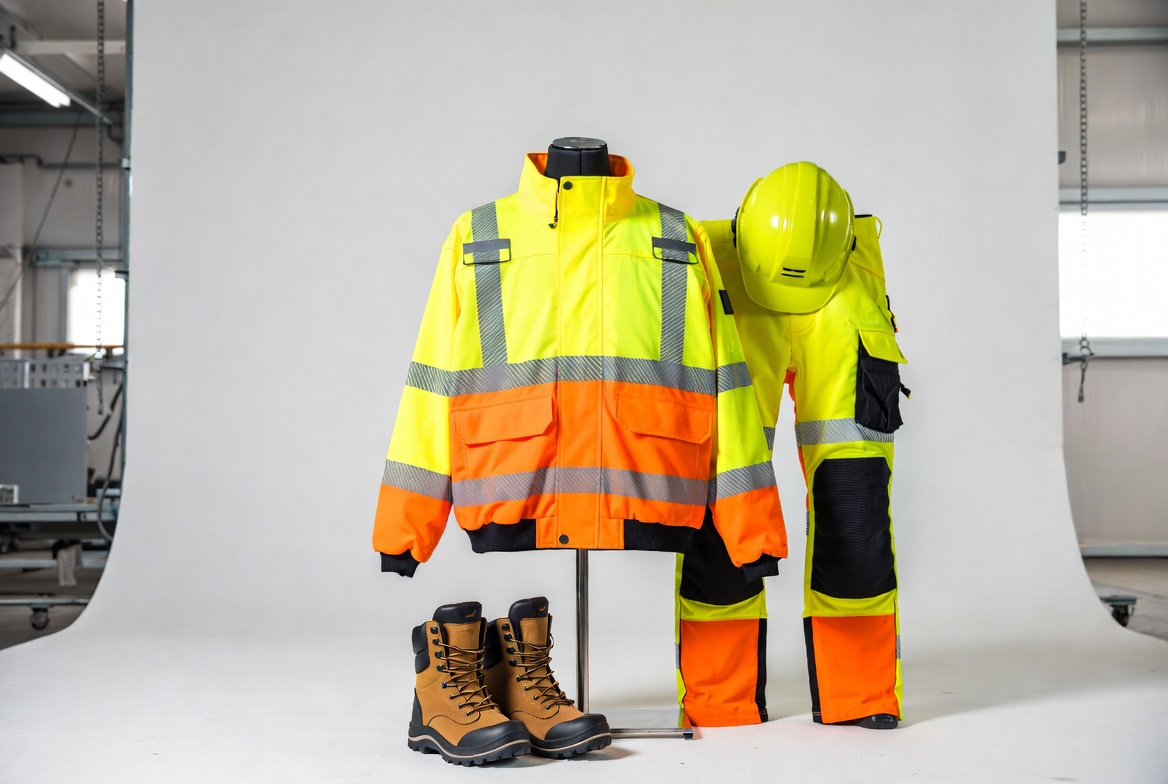
Below are 10 representative manufacturers frequently considered by international buyers of work uniforms and workwear. Details like output, MOQs, and certifications are indicative and should be confirmed directly with each factory.
Shanghai Youti Clothing Co., Ltd. focuses on professional work garments such as work jackets, coveralls, and related uniforms for overseas brands, wholesalers, and manufacturers. From its positioning and product range, it targets buyers that need a balance of cost efficiency, customization depth, and responsive service rather than purely high‑volume commodity products. [garment.dony]
1- Core strengths:
- High‑value OEM production for small and mid‑sized brands, with flexible MOQs and agile order handling. [leelinework]
- Emphasis on practical design details for industrial users (pocket layout, reinforced areas, and durable stitching).
- Efficient communication with overseas customers, geared toward long‑term partnerships and iterative product improvement.
2- OEM/ODM scope:
- Support from initial concept and tech pack refinement to sampling, bulk production, and branding (logos, trims, labels).
- Ability to adapt workwear designs to different regional preferences and working conditions, which is key for buyers operating in multiple countries.
3- Ideal for:
- Importers, distributors, and emerging brands that need reliable quality and consistent communication at mid‑range volumes, including first‑time OEM projects or line extensions.
For procurement managers building a diversified supplier portfolio, pairing a large‑scale player like BOWINS with a flexible partner such as Shanghai Youti can balance risk, responsiveness, and cost across different product lines. [bwworkwear]
Zhengzhou Anbu Safety Industrial is widely recognized for its focus on safety workwear such as coveralls, work jackets, trousers, and hi‑vis garments. With more than 15–20 years in the sector, the factory has built a reputation for durable products targeting industrial users.
- Core strengths: Safety workwear portfolio, high‑strength fabrics, and multi‑pocket functional designs.
- OEM/ODM scope: Custom colors, reflective tapes, logo printing and embroidery, and tailored size runs for specific industries.
- Main markets: Construction, maintenance, and industrial clients across Asia and global export markets.
Shaoxing Jonathan focuses strongly on medical and healthcare uniforms, including scrubs, lab coats, and related workwear. Established in 2004, it serves both domestic and international hospitals, clinics, and distributors.
- Core strengths: Healthcare‑grade fabrics, clean finishing, and consistent sizing for large staff deployments.
- OEM/ODM scope: Custom colorways, branding, and fabric upgrades (e.g., more breathable or stretch options) for healthcare groups.
- Main markets: Medical and hospitality customers in China and overseas.
Shenyang Sunnytex offers corporate uniforms, school uniforms, medical wear, and hospitality garments with around two decades of experience. The company positions itself on combining comfort, durability, and a more corporate‑friendly appearance.
- Core strengths: Corporate and hospitality uniforms, balanced between functionality and brand image.
- OEM/ODM scope: Style customization, color matching with corporate identity, logo application, and full uniform programs.
- Main markets: Corporate offices, schools, and hospitality groups.
Wuhan Kinglong and its related protective products entity focus on safety clothing and protective workwear for high‑risk environments. With over 20 years of operations, they supply a wide range of safety garments and accessories for sectors like construction, mining, and oil & gas.
- Core strengths: Protective workwear lines covering safety clothing, protective gear, and related accessories.
- OEM/ODM scope: Design of application‑specific garments, integration of reflective tapes, and customization of protection levels according to buyer standards.
- Main markets: Industrial buyers in construction, mining, transportation, and heavy industry.
Shenzhen Xinhongyuan Fashion Dress combines uniform manufacturing with a stronger emphasis on design and style, serving hospitality, healthcare, and corporate clients. With more than 10 years in the sector, it targets buyers who want uniforms that reflect both brand image and practicality.
- Core strengths: Stylish corporate and hospitality uniforms with attention to fit and appearance.
- OEM/ODM scope: Custom design services, branding integration, and full collections for hotels, restaurants, and service businesses.
- Main markets: Hospitality and corporate buyers seeking more fashion‑forward uniforms.
Fuzhou Smart Wear Manufactory, founded in 2002, provides uniforms and workwear for hospitality, healthcare, and education. It emphasizes good material selection and modern production equipment to maintain consistency.
- Core strengths: Broad category coverage for service industries, with experience in multi‑style programs.
- OEM/ODM scope: Design assistance, custom patterns, and flexible production of uniforms for schools, hotels, and healthcare facilities.
- Main markets: Global buyers needing reliable, mid‑to‑high‑volume uniforms for service sectors.
Guangzhou Only Garment specializes in custom‑made uniforms and workwear for hospitality, healthcare, transportation, and security. With over 20 years of experience, the factory supports a wide variety of fabrics and styles.
- Core strengths: Customization depth, diverse fabric options (cotton, polyester, blends), and ability to handle different professional segments in the same program.
- OEM/ODM scope: End‑to‑end support from design and fabric selection to bulk production and branding.
- Main markets: Hospitality groups, transport operators, and security service providers.
Penglai Zhi Feng is positioned as a uniform and workwear supplier covering hospitality, healthcare, education, and other sectors. It runs state‑of‑the‑art manufacturing facilities and emphasizes custom solutions for different clients.
- Core strengths: Flexible production, custom design services, and experience handling varied industry requirements.
- OEM/ODM scope: Project‑based design and development, including full uniform systems for institutions and brands.
- Main markets: Domestic and international buyers seeking tailored uniform solutions.
Taian BOWINS Garment is well known in functional apparel and workwear, having delivered around 120 million sets over 18 years to more than 200 brands in over 60 countries. It operates a 24,000 m² ISO 9001:2015‑ and BSCI‑certified factory in China plus a 9,000 m² facility in Cambodia, with total capacity of about 2 million sets annually. [bwworkwear]
- Core strengths: Large‑scale functional workwear production, strong compliance portfolio, and multi‑country manufacturing footprint. [bwworkwear]
- OEM/ODM scope: Complete development of technical workwear (e.g., waterproof, insulated, or high‑visibility garments) for established global brands. [bwworkwear]
- Main markets: North America, Europe, Australia, and other developed markets.
When assessing samples and tech packs, serious buyers increasingly focus on technical details that directly impact performance and lifecycle cost. [linkedin]
Core technical aspects include:
1- Fabric selection
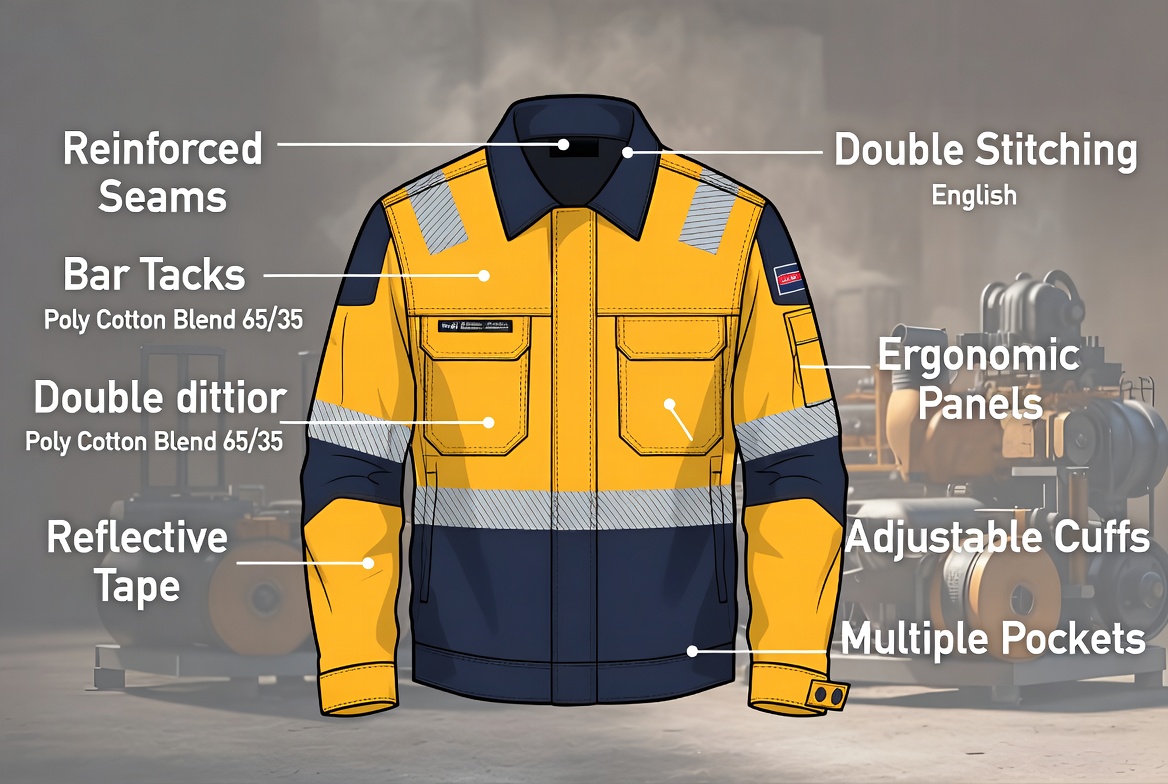
- Poly‑cotton blends (e.g., 65/35) for durability and easy care in industrial laundry settings.
- Higher‑cotton blends where comfort and breathability are prioritized (e.g., for long shifts in hot climates). [linkedin]
- Special treatments such as flame‑retardant, anti‑static, oil‑repellent, or moisture‑wicking finishes for relevant industries. [linkedin]
2- Construction and stitching
- Adequate stitch density (e.g., 8–10 stitches per inch) on stress points to avoid seam failures.
- Bar‑tacks at pocket corners and belt loops, reinforced elbows and knees in heavy‑duty garments.
3- Ergonomics and sizing
- Pattern designs that consider the actual work environment—mobility for bending, climbing, or overhead work, not just appearance in an office. [linkedin]
- Regional size grading to match local body profiles and reduce returns.
4- Compliance and testing
- For high‑risk workwear, verifying that fabrics and finished garments comply with applicable standards (like EN ISO 20471 for high visibility) through lab testing, not just claims in a catalog.
- Environmental and chemical compliance, especially for EU markets, including adherence to REACH and, where applicable, OEKO‑TEX‑certified materials. [shanghaigarment]
Industry reports from organizations such as Statista and regional garment associations show that buyers who invest in higher‑performance workwear often reduce replacement frequency and total cost of ownership over multi‑year contracts. [linkedin]
Below is a simplified comparative view illustrating how different types of suppliers may position themselves. Indicative values should be verified directly during RFQ and factory audits. [bwworkwear]
| Manufacturer | Typical Positioning | Approx. Monthly Capacity (sets)* | Typical MOQ* | Known/Typical Certifications* |
|---|---|---|---|---|
| Shanghai Youti Clothing Co., Ltd. | Flexible OEM for SMEs, work garments | Low‑to‑mid volume | 150–300 (project‑dependent) | Internal QC, export‑oriented systems |
| Taian BOWINS Garment Co., Ltd. | Large‑scale functional workwear | Up to 150,000–200,000 (bwworkwear) | 500–1,000+ | ISO 9001, BSCI (bwworkwear) |
| Zhengzhou Anbu Safety Industrial | Safety workwear specialist | Mid‑to‑high volume | 300–600 | Internal QC, ISO 9001 (to verify) |
| Wuhan Kinglong Safety Products | Protective clothing and safety gear | Mid‑to‑high volume | 300–800 | Safety‑related QMS (to verify) |
| Shaoxing Jonathan Healthcare & Textile | Medical and healthcare uniforms | Mid volume | 200–500 | Medical‑focused QC, ISO (to verify) |
| Shenzhen Xinhongyuan Fashion Dress | Fashion‑forward corporate/hospitality | Mid volume | 200–500 | Internal QC, design‑driven workflows |
| Fuzhou Smart Wear Manufactory | Service sector uniforms | Mid volume | 200–500 | Internal QC systems |
| Guangzhou Only Garment | Multi‑sector custom uniforms | Mid volume | 200–600 | Internal QC, possible ISO/BSCI |
| Penglai Zhi Feng Trading | Flexible custom solutions | Low‑to‑mid volume | 200–400 | Trading plus manufacturing audits |
| Other specialized SMEs in clusters | Niche or regional specialists | Varies | 100–300 | Limited formal certs, rely on 3rd‑party QC |
Experienced buyers know that problems with work uniforms usually appear months after delivery—when garments fade, tear, or fail under real working conditions. Several pitfalls are well known within the industry but rarely discussed openly online. [linkedin]
Typical pitfalls:
1- Over‑prioritizing unit price over lifecycle cost
- Ultra‑cheap fabrics lead to color fading, shrinkage, and seam failures, forcing earlier replacement and higher long‑term cost. [linkedin]
2- Treating uniforms as "clothing" instead of "equipment"
- Designs chosen for appearance in a showroom may restrict movement, trap heat, or compromise safety on site. [linkedin]
3- Inadequate embroidery and logo control
- Poorly specified embroidery (wrong thread type, density, or backing) causes puckering, logo inconsistency, and discomfort at the contact area. [mmsclothing]
4- No standardized size block
- Random sizing leads to inconsistent fit, higher alteration costs, and poor staff acceptance. [linkedin]
An internal "avoid‑the‑traps" practice that experienced buyers use but seldom publish openly is to run a multi‑stage destructive test on pre‑production samples, not just visual checks. This often includes:
- Washing samples 10–15 cycles at higher than normal temperatures to check color fastness, shrinkage, and print/embroidery integrity.
- Performing stress tests on critical seams (e.g., pulling belt loops, pocket edges) to simulate real usage.
- Conducting limited field trials with a small group of employees before approving bulk production.
Factories that are confident in their materials and construction usually accept this testing approach and may even provide internal test reports, while weaker suppliers tend to resist or delay. [mmsclothing]
- Request full company profile, product catalogs, and photos/videos of workshop and QC areas.
- Ask for copies of ISO 9001, BSCI, WRAP, or other certifications and check: certificate number, scope, issue and expiry dates, legal entity name. [seller.alibaba]
- Use the accreditation body or certification body's online database to verify whether the certificate is current and that the scope includes garment manufacturing—not just trading. [seller.alibaba]
- Prepare detailed tech packs: fabric specifications (composition, GSM, finish), color codes, required standards, sizing chart, branding guidelines. [mmsclothing]
- For embroidery and prints, provide vector artwork, Pantone color references, and clear position/size diagrams. [mmsclothing]
- Always request pre‑production samples and, where possible, size sets to check pattern grading.
- Agree on AQL levels for bulk inspection and clarify who pays for third‑party inspections.
- Confirm packaging, labeling, and documentation requirements early (carton marks, barcodes, packing lists).
- Build into the contract clear terms on rework or replacement in case of quality issues beyond the agreed tolerance.
- Align Incoterms (FOB, CIF, DAP) and clarify responsibilities for export clearance, customs documentation, and HS codes.
- For shipments into EU and North America, ensure that materials meet chemical regulations and that any required test reports (for high‑visibility, flame retardancy, etc.) are available. [shanghaigarment]
- For long‑term programs, consider dual‑sourcing with at least one flexible OEM partner like Shanghai Youti to mitigate risk and maintain agility.
Export promotion agencies and textile/garment associations in China periodically publish industry data and buyer guidance, which can be useful references when benchmarking suppliers and price levels. [linkedin]

China will remain a central sourcing base for work uniforms in the coming years, with a mix of large‑scale functional workwear specialists and agile OEM partners capable of supporting mid‑sized brands and distributors. The key for procurement managers is to move beyond catalog comparisons and systematically evaluate factories on process control, technical depth, lifecycle cost, and communication quality. [garment.dony]
If you are currently building or refreshing your supplier list for work uniforms, a practical next step is to shortlist 3–5 factories—combining one or two large players with flexible OEM partners such as Shanghai Youti Clothing Co., Ltd.—and run structured sampling and testing before locking in long‑term contracts. This blended strategy can give you both cost efficiency and resilience across different product lines and markets. [bwworkwear]
1. How can I verify if a factory's ISO 9001 certificate is genuine and not expired?
- Ask for the original certificate in PDF with certificate number, certification body, accreditation mark, scope, and validity dates. [seller.alibaba]
- Use the certification body or accreditation body website to search the certificate number and confirm that the scope covers garment or textile manufacturing, not just trading or logistics. [seller.alibaba]
2. What is a realistic MOQ for custom work uniforms from Chinese OEM factories?
- Large, highly automated plants may require 500–1,000 pieces per style/color, especially for technical workwear. [bwworkwear]
- More flexible OEM suppliers such as mid‑size factories or companies like Shanghai Youti can often support 150–300 pieces per style/color, which is helpful for new programs or regional pilots.
3. How do I ensure that fabrics used in my uniforms are consistent across repeat orders?
- Specify fabric composition, GSM, weave, and finishing in the tech pack, not just "cotton" or "poly‑cotton."
- Ask the factory to lock in a nominated fabric mill or provide fabric swatches with lab test reports and confirm that future lots will be matched against the approved standard. [shanghaigarment]
4. What is the best way to control embroidery/printing quality at Chinese factories?
- Mandate a separate embroidery or print strike‑off sample approval before bulk production. [mmsclothing]
- Define thread type, density, backing material (for embroidery), or print method and curing parameters (for printing), and add these to your QC checklist so that inspectors can verify them on site. [mmsclothing]
5. How can I evaluate whether a factory can support multi‑year, multi‑site uniform programs?
- Review their current key clients and program sizes, along with references if possible. [bwworkwear]
- Assess whether they have scalable capacity, a robust planning department, and formalized processes for handling reorders, size replenishments, and style updates, instead of treating each PO as a one‑off job. [linkedin]


