
Views: 243 Author: Youti Clothing Publish Time: 2026-10-11 Origin: Site


Content Menu
● Why Wear a Suit to Work When Offices Are More Casual?
● 10 Practical Reasons to Wear a Suit to Work
>> 1. Meet the Expectations of Your Workplace
>> 2. Show That You Have Prepared for the Occasion
>> 3. Create a More Consistent Professional Appearance
>> 4. Establish a Personal Work Routine
>> 5. Support Certain Forms of Big-Picture Thinking
>> 6. Make Daily Outfit Planning Easier
>> 7. Adapt to Different Activities During the Day
>> 8. Use Structured Clothing Without Sacrificing Comfort
>> 9. Build a Wardrobe Around Repeat Wear
>> 10. Reduce Distractions in Important Meetings
● When Should You Wear a Suit to Work?
● How to Choose a Business Suit for Everyday Work
>> Start With Movement, Not Just Measurements
>> Evaluate the Whole Fabric System
>> Choose Details That Support Regular Use
● What Brands and Wholesalers Should Specify for OEM Business Suits
>> 1. Define the Customer and Working Environment
>> 2. Build a Complete Technical Specification
>> 3. Approve Fit Across Relevant Sizes
>> 4. Agree on Quality Checks Before Production
● Develop Business Suits Around Real Workplace Needs
● Frequently Asked Questions About Wearing a Suit to Work
>> Is It Necessary to Wear a Suit to Work Every Day?
>> Does Wearing a Suit Make You More Successful?
>> Can You Wear a Suit Without a Tie?
>> What Color Suit Is Best for Office Wear?
>> How Many Business Suits Should You Own?
>> What Should Buyers Ask an OEM Suit Supplier First?
Wearing a suit to work can help you look prepared, simplify your wardrobe, and meet professional expectations. However, the best reasons to wear a suit to work depend on your role, workplace culture, and daily responsibilities. A business suit should support your work—not make it uncomfortable or unnecessarily formal.
For professionals, the challenge is choosing office attire that balances presentation with practicality. For brands and wholesalers, it is developing business suits that customers genuinely want to wear.
This guide explores ten benefits of wearing a suit to work, explains when a suit makes sense, and outlines practical considerations for selecting or sourcing professional clothing.
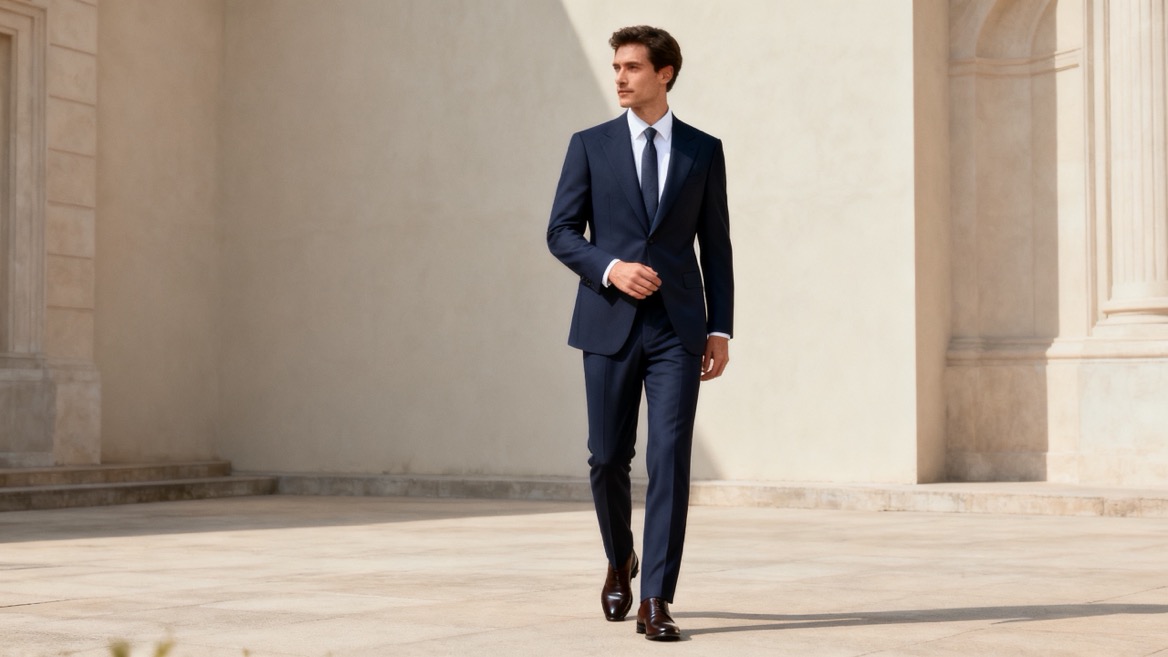
Office clothing has become less formal in many workplaces. In a 2023 survey of U.S. workers, 41% reported usually wearing business casual clothing, while only 3% wore business professional clothing, including suits or equivalent attire.
These figures describe one country and one survey period. They do not establish a universal dress code or mean that suits have lost their purpose.
Instead, the value of a suit has become more situational. Client meetings, interviews, formal presentations, and some corporate environments still call for more structured clothing.
My recommendation is to begin with the occasion rather than the outfit: what will you do, whom will you meet, and what expectations apply?
A suit is useful when it matches an established dress code. In a business professional environment, wearing one removes uncertainty about whether your clothing is sufficiently formal.
Check written policies, observe colleagues in comparable roles, and consider client expectations. Different departments within the same organization may dress differently.
The objective is appropriate presentation, not maximum formality.
A clean, well-fitting suit can communicate that you have considered the setting. This matters when attending an interview, presenting a proposal, or representing your company at an event.
Clothing cannot prove competence. However, an outfit that suits the occasion can prevent avoidable distractions.
Preparation also includes pressed clothing, maintained shoes, and accessories that do not compete with your message.
Matching jackets and trousers create a coordinated foundation. This can be particularly helpful for employees who regularly represent a business in person.
For corporate apparel programs, consistency should not mean forcing everyone into an identical fit. Different bodies need different proportions and, sometimes, different cuts.
A cohesive appearance comes from coordinated colors and design details—not from ignoring individual comfort.
Changing into business clothing can serve as a practical transition into the working day. Some people find that dressing deliberately helps them feel ready for meetings and focused tasks.
This is a personal routine, not a guaranteed psychological effect.
If a suit helps you establish that boundary, use it. If it causes discomfort or feels inappropriate for your workplace, another polished outfit may serve the same purpose.
Research involving five studies found relationships between formal clothing and abstract cognitive processing, including greater attention to broader categories and global patterns.
This is an interesting finding, but it requires careful interpretation. It does not demonstrate that wearing a suit automatically improves productivity, intelligence, or leadership.
The useful takeaway is modest: clothing may influence how people experience a task. Fit, comfort, working conditions, and preparation still matter.
A small collection of coordinated business suits can simplify dressing. Navy and charcoal, for example, provide straightforward starting points for different shirts and accessories.
Build combinations in advance:
- A navy suit with a white shirt for formal meetings.
- A charcoal suit with a pale blue shirt for regular office days.
- A suitable suit with an open-collar shirt where the dress code permits.
Check combinations under realistic lighting before relying on them.
A thoughtfully selected suit can cover several professional situations without requiring a complete change of clothing.
You might wear a tie for a presentation, remove it for a less formal meeting, or take off the jacket while working at your desk.
However, a suit jacket is not automatically a versatile standalone blazer. Fabric, buttons, structure, and styling determine whether it works with separate trousers.
A suit does not need to feel rigid. Appropriate fabric, sufficient movement allowance, and suitable construction can make tailored clothing practical for everyday work.
The critical distinction is fit: a close silhouette should not restrict sitting, reaching, or walking.
For brands developing office suits, evaluate comfort during movement rather than approving samples solely from photographs.
A useful work suit should earn its place through regular use. Consider how often you will wear it, which seasons it suits, and what maintenance it requires.
A simple cost-per-wear calculation divides purchase cost and relevant upkeep by the number of wears.
This does not predict garment lifespan. It helps compare an affordable suit worn frequently with an expensive one that rarely leaves the wardrobe.
In an appropriately formal setting, restrained business clothing can keep attention on your presentation rather than your outfit.
Choose clean proportions, manageable patterns, and accessories suited to the audience.
The reverse also matters: an overly formal suit may feel out of place in a deliberately casual environment. Good professional judgment includes knowing when to dress down.
Use the following table as a decision aid, not a universal rule.
| Work situation | Practical starting point | What to check |
|---|---|---|
| Business professional office | Coordinated business suit | Written policy and seasonal expectations |
| Interview | Suit or polished business attire | Employer guidance and industry norms |
| Formal client presentation | Understated suit | Client culture and your role |
| Business casual office | Tailored separates or optional suit | Whether ties and matching suits are customary |
| Remote presentation | Clean, structured clothing | Camera framing, lighting, and pattern visibility |
| Production-floor visit | Required protective clothing | Site rules and safety requirements |
Safety requirements take priority over appearance. Loose accessories, unsuitable shoes, or unrestricted jacket hems may be inappropriate in operational environments.
When uncertain, ask the organizer or employer for guidance rather than relying on a broad industry stereotype.

A suit may look correct while standing and still perform poorly during a working day.
Use this fitting sequence:
1. Stand naturally and check shoulder alignment.
2. Fasten the jacket and look for excessive pulling.
3. Sit down and assess the waistband, seat, and thighs.
4. Reach forward as if typing or shaking hands.
5. Walk and check whether the trousers restrict your stride.
6. Review sleeve and trouser lengths with your intended shoes.
Shoulders should sit cleanly, and the collar should rest reasonably close to the neck. Persistent pulling, twisting, or discomfort deserves investigation before purchase or sample approval.
Fiber composition alone cannot tell you whether a suit will be comfortable. Fabric weight, weave, lining, construction, and garment fit all affect the wearing experience.
Wool is valued in suiting for moisture-vapor management, drape, and wrinkle recovery. Blended fabrics may offer different combinations of price, handle, stretch, and maintenance requirements.
Ask for samples and assess:
- Surface appearance under office lighting.
- Creasing after sitting.
- Comfort during movement.
- Care instructions.
- Compatibility with the intended climate.
Avoid treating a higher wool "Super" number as a complete quality score. It relates to fiber fineness, not every aspect of durability or garment performance.
For a first office suit, consider a restrained design with practical pockets and a silhouette that suits your workplace.
Review jacket length, lapel proportions, trouser rise, and available alteration allowance. These details influence daily usability more directly than decorative extras.
Maintenance matters, too. Follow the garment's care label, use a supportive hanger, and address stains promptly. Cleaning frequency should reflect actual condition and professional care advice, rather than an automatic schedule.
For overseas buyers, the challenge extends beyond creating one attractive sample. A commercial collection needs clear specifications, dependable fit, and repeatable quality expectations.
Shanghai Youti Clothing Co., Ltd. is a China-based supplier providing OEM services for suits and other professional clothing to overseas brands, wholesalers, and manufacturers.
The following framework can help structure a sourcing discussion without assuming unverified factory capabilities.
Describe the intended wearer, market, climate, price position, and dress-code setting.
"Men's office suit" is too broad to guide development effectively. A suit for frequent business travel may need different priorities from one intended for occasional formal presentations.
Separate essential requirements from optional features before requesting quotations.
Document the agreed product rather than relying on a reference image.
A useful technical package includes:
- Style drawings and construction details.
- Fabric and lining specifications.
- Measurement points and size charts.
- Permitted measurement tolerances.
- Buttons, zippers, labels, and packaging.
- Care-label and destination-market requirements.
Confirm what the quotation includes. Fabric substitutions, additional samples, testing, and packaging changes can affect the commercial comparison.
One successful sample does not establish that an entire size range will fit correctly.
Review representative sizes and check how proportions change through grading. Evaluate jacket balance, armhole comfort, trouser rise, and movement allowance.
Record comments against identifiable sample versions. Written approvals reduce confusion when several people participate in development.
Define the inspection criteria in advance, including measurement checks, workmanship, pressing, shade consistency, and visible defects.
Where relevant, discuss testing for dimensional change, seam performance, and colorfastness using agreed methods and acceptance criteria.
A clear approval process gives both buyer and supplier a shared reference. It is more useful than a general request for "premium quality."
The strongest reasons to wear a suit to work are practical: appropriate presentation, consistent styling, comfortable movement, and dependable repeat use.
For brands, those benefits should become measurable product requirements.
Contact Shanghai Youti Clothing Co., Ltd. to discuss your OEM business suit project. Share your target market, reference styles, fabric preferences, size range, estimated quantities, and intended delivery schedule. Use that information to establish the proposed specifications, sampling process, and quotation scope before committing to production.
No. Follow your employer's dress code and consider your responsibilities. Daily suits may be appropriate in formal offices, while other workplaces favor business casual clothing. Keep a suitable formal outfit available when your role includes important meetings or events.
A suit does not guarantee success, promotion, or credibility. Appropriate clothing can support presentation, but professional outcomes depend on skills, behavior, preparation, and results. Treat a suit as one practical tool rather than a shortcut to career advancement.
Yes, when the setting allows it. An open-collar shirt can make a suit less formal while retaining a coordinated appearance. For interviews, ceremonies, or clearly formal client meetings, confirm expectations before leaving the tie behind.
Navy and charcoal are practical starting points because they coordinate with many shirts and accessories. The best choice depends on local expectations, climate, and personal preference. A restrained pattern may also work where it fits the office culture.
Base the number on wearing frequency, seasonal needs, and maintenance. Someone attending occasional meetings needs a different wardrobe from someone wearing suits daily. Allow enough flexibility for cleaning, alterations, and unexpected damage rather than following a fixed universal number.
Start with product specifications, sampling arrangements, order requirements, size development, material options, quality checks, and delivery planning. Request written answers and relevant supporting documents. Compare suppliers against the same requirements instead of judging quotations by price alone.
1. StudioSuits — "10 Reasons You Should Wear a Suit to Work," published October 1, 2018. Original topic and ten-reason editorial framework. The accessible extract contains the introductory claim about 10% of workers; the rewrite does not adopt its unsupported judgment that not wearing a suit is a serious mistake. [studiosuits]
2. Gallup — "Casual Work Attire Is the Norm for U.S. Workers," published September 8, 2023. Source for the U.S. survey figures of 41% business casual and 3% business professional attire. These figures are presented with their date and geographic scope, not as current global estimates. [news.gallup]
3. Slepian, Michael L.; Ferber, Simon N.; Gold, Joshua M.; and Rutchick, Abraham M. — "The Cognitive Consequences of Formal Clothing," *Social Psychological and Personality Science*, 2015, volume 6, pages 661–668; DOI: 10.1177/1948550615579462. Primary research underlying the carefully qualified discussion of formal clothing and abstract processing. [journals.sagepub]
4. Association for Psychological Science — "When Clothing Style Influences Cognitive Style," published May 8, 2015. Accessible explanation of the research methods and findings; this summarizes the same research rather than providing independent confirmation. [psychologicalscience]
5. The Woolmark Company — "Wool Suiting." Industry reference for wool's moisture-vapor management, drape, wrinkle recovery, and the meaning of Super S classifications. This is an industry organization's guidance, not an independent comparative test of every suiting fabric. [woolmark]


