
Views: 269 Author: Youti Clothing Publish Time: 2026-09-18 Origin: Site


Content Menu
● Misconception 1: A Blazer and a Suit Jacket Are Exactly the Same
● Misconception 2: Every Blazer Must Be Formal and Conservative
>> How Brands Can Build a More Relevant Blazer Range
● Misconception 3: A More Structured Blazer Is Always Better Quality
>> The Right Construction Depends on the Product Brief
● Misconception 4: Fabric Choice Only Affects Appearance
>> Common Blazer Fabrics and Their Uses
>> Fabric Testing Should Start Before Bulk Production
● Misconception 5: Oversized Blazers Do Not Need Accurate Pattern Making
>> Key Measurements for an Oversized Blazer
● Misconception 6: Blazer Quality Can Be Judged Only by the Outside Appearance
>> A Simple Blazer Quality-Control Checklist
● Misconception 7: All Blazers Require the Same Care Routine
>> Better Care Instructions Improve Customer Experience
● How to Develop a Blazer With an OEM Manufacturer
>> Information to Include in Your Blazer Tech Pack
>> Questions to Ask Before Placing an Order
● FAQ
>> 1. What is the main difference between a blazer and a suit jacket?
>> 2. Can an oversized blazer still look professional?
>> 3. Which fabric is best for a workwear blazer?
>> 4. Should a blazer be fully lined?
>> 5. What should I check in an OEM blazer sample?
>> 6. Can a blazer be machine washable?
>> 7. Why does blazer fusing matter?
>> 8. What details should be included in a blazer tech pack?
A blazer is one of the most commercially flexible garments in modern apparel: it can look polished with tailored trousers, relaxed with denim, or contemporary when developed as an oversized, cropped, knit, or utility-inspired layer. Yet many buyers, brand teams, and consumers still make product decisions based on outdated assumptions about blazer construction, fit, fabric, seasonality, and care.
For fashion brands sourcing jackets from China, understanding these misconceptions is not only useful for styling. It directly affects product development, sample approval, size grading, fabric selection, pricing, production quality, and customer satisfaction. Shanghai Youti Clothing Co., Ltd. works with overseas brands, wholesalers, and apparel businesses on OEM jacket development, helping turn a market concept into a wearable, manufacturable, and commercially viable blazer collection.
This guide clarifies seven common blazer misconceptions and adds practical insights for apparel buyers developing blazer products for international markets.
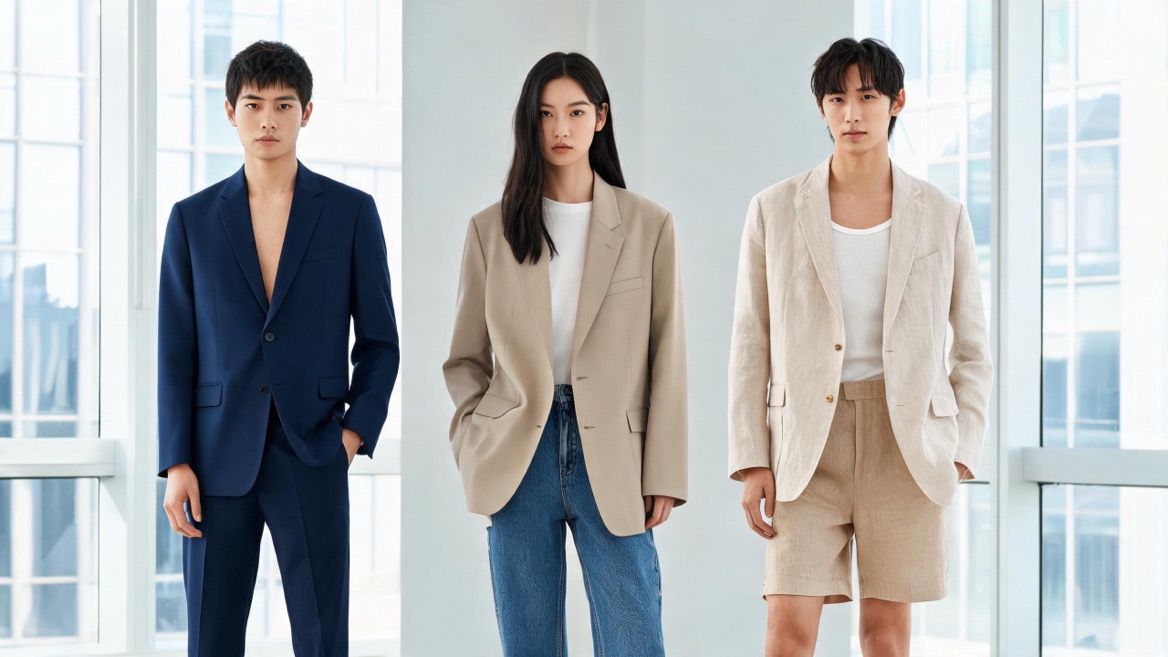
A blazer is an independent tailored jacket designed to be worn with non-matching trousers, skirts, dresses, denim, or other separates. It is more refined than many casual jackets but generally less formal than a suit jacket that belongs to a matching suit set. Its origins are commonly associated with 19th-century sporting and boating attire, but the garment has evolved into an essential category across menswear, womenswear, uniforms, corporate clothing, fashion retail, and contemporary streetwear.
Today, a blazer can be:
- Single-breasted or double-breasted
- Fitted, regular, relaxed, cropped, or oversized
- Fully lined, half-lined, unlined, or bonded
- Structured with shoulder padding and canvas support
- Softly tailored with minimal internal construction
- Made from wool, polyester, viscose blends, linen, cotton, ponte, tweed, boucle, velvet, knit fabrics, or recycled materials
This broad design range is precisely why brands should avoid treating all blazers as the same product.
The most common misconception is that a blazer is simply another name for a suit jacket. While the two garments share tailoring elements, they are developed for different purposes.
A suit jacket is normally designed as part of a coordinated set. Its fabric, color, texture, and construction are intended to match a specific pair of trousers, and sometimes a waistcoat. A blazer, by contrast, is developed as a standalone garment that can be mixed with different bottoms.
| Feature | Blazer | Suit Jacket |
|---|---|---|
| Main purpose | Mix-and-match styling | Worn with matching trousers |
| Styling range | Smart casual to semi-formal | Formal business or occasion wear |
| Fabric options | Broad, including textured and casual fabrics | Usually suiting fabrics |
| Button options | Can use metal, horn-look, resin, covered, or fashion buttons | Often designed for coordinated suiting |
| Product development | Can prioritize fashion flexibility | Must coordinate with suit trousers |
This distinction matters during OEM development. A brand may request "a blazer" but send a reference sample that is actually a suit jacket. The factory then needs to clarify the intended usage, matching bottom requirement, construction level, and retail positioning before creating the pattern.
For example, a polished women's navy blazer with gold buttons may be intended for denim styling and everyday office wear. A navy suit jacket in the same color may require matching trousers, more formal fabric, coordinated dye lots, and stricter shade control between two separate garments.
Buyer takeaway: Before sampling, specify whether the jacket is a standalone blazer, part of a two-piece suit, or a coordinated capsule collection. This decision changes fabric allocation, grading, trims, production planning, and quality-control standards.
Traditional tailoring created the idea that blazers must be dark, fitted, serious, and suitable only for business settings. That is no longer how many global consumers shop or dress.
Modern blazer collections span a wide spectrum:
- Relaxed boyfriend blazers for casual layering
- Cropped blazers for youth and trend-led collections
- Longline blazers for workwear and modest fashion
- Knit blazers for comfort-focused smart casual dressing
- Linen-blend blazers for warm-weather assortments
- Double-breasted blazers for elevated fashion positioning
- Utility blazers with patch pockets, belts, or visible stitching
- Oversized blazers influenced by contemporary streetwear
The commercial opportunity lies in matching the product to the customer's lifestyle rather than copying a traditional office silhouette. A young urban consumer may prioritize an oversized fit, soft shoulder shape, and machine-washable fabric. A premium workwear customer may want a defined waist, lined sleeves, functional pockets, and a wrinkle-resistant wool blend.
The modern blazer market also reflects a wider demand for diversity in fit, styling, and materials. Market reports forecast continued growth in women's blazer demand and identify fashion variety and more environmentally conscious material choices as key influences on the category.
A practical collection plan can include three fit directions:
1. Core tailored fit
A classic single-breasted silhouette with moderate shaping, flap pockets, and a neutral color palette. This is suitable for officewear, uniforms, wholesalers, and long-term replenishment programs.
2. Relaxed fashion fit
A longer body, dropped shoulder, wider sleeve, and softer internal construction. This suits contemporary retail brands and consumers who layer over T-shirts, knitwear, or dresses.
3. Seasonal statement fit
A cropped, double-breasted, belted, textured, or color-led blazer. This creates visual differentiation and supports collection storytelling.
A single pattern block rarely serves all three customer groups. Fit must be intentionally developed from the first tech pack and fitting stage.
A highly structured blazer can look sharp on a hanger, but structure alone does not define quality. The correct level of construction depends on the target customer, fabric behavior, climate, price point, and desired wearing experience.
A heavily constructed blazer may include:
- Shoulder pads
- Chest canvas or fused interlining
- Sleeve head rolls
- Front fusing
- Full lining
- Internal pocket bags
- Back vent reinforcement
- Multiple pressing stages
These components can create a crisp silhouette. However, excessive stiffness can make a garment uncomfortable, restrictive, or unsuitable for relaxed fashion styling.
By comparison, a softly constructed blazer may use light fusible interlining, minimal shoulder padding, partial lining, or unlined seams. This can produce a more fluid shape and improve comfort in warmer climates.
| Product Positioning | Recommended Construction Direction |
|---|---|
| Corporate uniform blazer | Stable shoulder, durable lining, strong seam reinforcement |
| Premium formal blazer | Refined structure, quality lining, precise pressing, strong lapel roll |
| Casual women’s blazer | Soft shoulder, light fusing, flexible fabric, comfortable sleeve movement |
| Summer blazer | Lightweight fabric, reduced lining, breathable construction |
| Trend-led oversized blazer | Relaxed shoulder, controlled body volume, enough structure to prevent collapse |
| Knit blazer | Minimal internal structure, stable seam finish, shape retention testing |
A well-made blazer should maintain its intended silhouette after wear, transport, pressing, and cleaning. That does not mean every garment needs the most expensive internal construction. It means the construction must support the design.
Expert product-development insight: Ask the manufacturer which areas are fused, what fusible weight is used, whether the sleeve is lined, and how the shoulder shape is built. These details influence drape, durability, comfort, and the final perceived value of the garment.
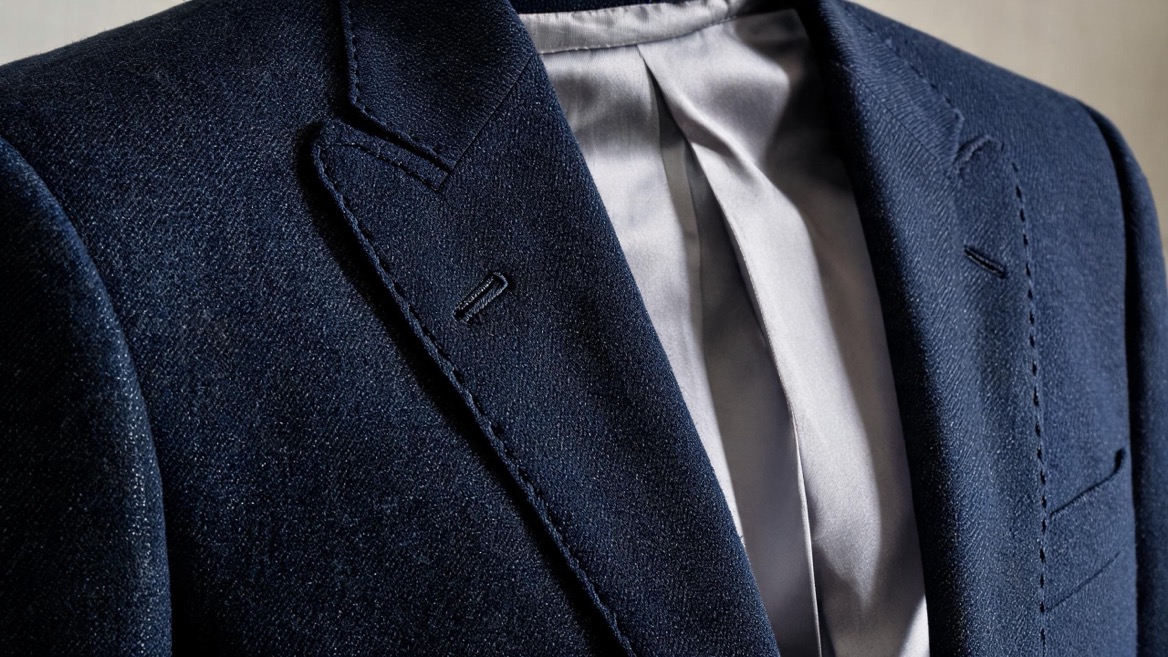
Fabric does far more than determine color and texture. It affects fit, cost, wrinkle recovery, shrinkage, pilling resistance, breathability, washability, sewing difficulty, pressing behavior, and the type of internal construction needed.
For blazer manufacturers and sourcing teams, fabric selection is one of the earliest and most important decisions in development.
| Fabric Type | Strengths | Watchouts | Suitable For |
|---|---|---|---|
| Polyester-viscose blend | Stable, cost-efficient, good drape | Quality varies by yarn and finish | Officewear, uniforms, value retail |
| Wool blend | Premium hand feel, natural insulation | Higher cost, care sensitivity | Formalwear, premium collections |
| Linen blend | Breathable, natural texture | Wrinkles easily | Spring and summer blazers |
| Cotton twill | Casual appearance, comfortable | Can shrink or lose shape | Casual tailored jackets |
| Ponte knit | Stretch, comfort, easy movement | May look less formal | Travel, smart casual, comfortwear |
| Tweed or boucle | Texture and premium visual impact | Can snag or fray | Autumn/winter fashion collections |
| Recycled polyester blend | Supports material storytelling | Must test hand feel and performance | Sustainability-led programs |
A blazer made from lightweight linen will not behave like one made from a dense polyester-viscose suiting fabric. If both are produced using the same pattern, shoulder pad, fusing, and lining plan, one of them may not perform as intended.
For branded blazer programs, request fabric testing or pre-production checks for:
- Weight and composition verification
- Colorfastness
- Shrinkage and dimensional stability
- Pilling resistance
- Seam slippage
- Color shading between rolls
- Fusing compatibility
- Pressing performance
- Twist and torque after washing, where applicable
This process helps prevent a common sourcing problem: a sample looks excellent, but the bulk fabric reacts differently during cutting, fusing, sewing, or final pressing.
Oversized does not mean shapeless. In fact, relaxed blazers can be more difficult to develop than fitted styles because every extra centimeter affects balance.
A successful oversized blazer needs controlled proportions across the shoulder, chest, armhole, sleeve width, body length, lapel width, pocket placement, and back vent. If the shoulder is too wide without enough sleeve volume, the garment can look awkward. If the body is too long without adjusting pocket position, the design can appear unbalanced. If the armhole is dropped too far, arm movement may become restricted.
When reviewing samples, brands should check more than chest width. Important points include:
- Shoulder width
- Half chest and sweep
- Armhole depth
- Sleeve bicep width
- Sleeve length
- Front length and back length
- Lapel width
- Pocket height and pocket angle
- Back vent length
- Button placement
- Hem circumference
A fit sample should be evaluated on a model or fit form representing the intended target consumer. A size medium oversized blazer for a European womenswear brand may require a different shoulder, sleeve, and body balance than one developed for a North American, Japanese, or Middle Eastern customer base.
Practical rule: Grade an oversized blazer carefully. Simply adding the same amount to all measurements can make larger sizes disproportionately long, wide, or heavy-looking. Pattern grading should preserve the original design intention across the full size range.
A blazer may look good in product photos while hiding weak construction inside. True quality is visible in the details that customers feel when they wear, button, move, and care for the garment.
During factory inspections or sample evaluations, review the following areas:
- Lapels should lie flat without bubbling
- Collar should sit smoothly against the neckline
- Shoulder seams should be balanced from left to right
- Sleeve pitch should support natural arm movement
- Buttonholes should be clean and dense
- Buttons should be securely attached
- Pocket flaps should align consistently
- Lining should not pull at the back or armhole
- Front edges should remain straight after pressing
- Vents should not open or twist when the wearer stands naturally
- Inside seam allowances should be neat and secure
Before approving bulk production, a buyer can use this five-step review:
1. Wear test the sample
Sit, reach forward, raise both arms, button the front, and check whether the blazer pulls, twists, or restricts movement.
2. Inspect symmetry
Compare lapels, pocket height, button placement, shoulder slope, and sleeve length on both sides.
3. Check internal finishing
Turn the garment inside out. Review lining seams, label application, loose threads, pocket bag security, and reinforcement points.
4. Assess the fabric-to-structure match
Make sure the fusing, lining, shoulder padding, and sewing method suit the selected fabric.
5. Review after pressing and packing simulation
A blazer should recover well after folding, shipping, and light steaming. This is particularly important for e-commerce and long-distance export programs.
Care requirements depend on fiber content, fabric construction, lining, trims, fusing, and the instructions validated by the garment developer. Wool, silk, linen, cotton, polyester, and knit blazers should not automatically receive the same cleaning advice.
The safest rule is simple: always follow the care label developed for that exact garment. Care labels should reflect the fabric, construction, and testing results—not assumptions based only on the product category.
For example, delicate wool, silk, or velvet blazers may require professional cleaning, while certain cotton, polyester, or synthetic styles may be suitable for gentler wash processes if their labels allow it. Care guidance also commonly recommends using a wide hanger, airing garments between wears, spot-cleaning carefully, and avoiding unnecessary over-cleaning.
For retail brands, care messaging can reduce returns and preserve product appearance. Consider including simple customer-facing instructions such as:
- Hang the blazer on a broad, supportive hanger
- Allow it to air after wear before placing it in a wardrobe
- Use a garment brush or lint roller when appropriate
- Steam lightly instead of repeatedly washing the garment
- Treat spills promptly by blotting rather than rubbing
- Follow the sewn-in care label for washing and professional cleaning
A garment that stays presentable for longer creates stronger customer confidence and supports repeat purchasing.
Successful blazer sourcing starts with a clear product brief. A manufacturer can make better recommendations when the brand defines its target customer, price level, fit direction, fabric expectations, and sales channel.
Provide the following before sampling:
- Front, back, and detail sketches
- Reference photos or physical samples
- Size chart and grading rules
- Target fit: slim, regular, relaxed, oversized, cropped, or longline
- Fabric composition, weight, color, and finish requirements
- Lining, fusing, shoulder pad, and sleeve construction preferences
- Button type, button size, button color, and logo requirements
- Pocket type: flap, welt, patch, or hidden pocket
- Label, hangtag, packaging, and barcode instructions
- Required testing standards and destination market
- Target quantity and delivery schedule
- Can you recommend fabric options for this fit and target retail price?
- What construction method will be used for the shoulder and lapel?
- Is the blazer fully lined, half-lined, or unlined?
- Which measurements will be checked during production?
- Can you provide a pre-production sample before bulk cutting?
- How will fabric color and trim color be controlled across production?
- What inspection standard will be used before shipment?
Shanghai Youti Clothing Co., Ltd. supports OEM blazer and jacket projects with a development-focused approach. From fashion blazers and workwear jackets to private-label tailored outerwear, the goal is to help brands align design intent with materials, fit, construction, and production requirements.

Blazers are not limited to formal wardrobes, rigid silhouettes, or traditional navy styles. They are adaptable garments whose commercial success depends on intelligent design choices: the right fit, fabric, construction, quality control, care instructions, and positioning for the end customer.
For brands and wholesalers, the most important lesson is to avoid developing a blazer from a photo alone. A successful product requires a complete view of silhouette, internal construction, fabric behavior, size grading, production capability, and real-world wear.
If you are developing a private-label blazer, workwear jacket, or fashion outerwear collection, share your design concept, target market, fabric preference, size range, and expected order quantity with Shanghai Youti Clothing Co., Ltd. Our team can help evaluate the product requirements and support your OEM jacket development from sample to bulk production.
A blazer is generally designed as a standalone jacket that can be styled with non-matching trousers, skirts, denim, or dresses. A suit jacket is normally made to be worn with matching trousers as part of a suit.
Yes. An oversized blazer can look professional when its shoulder, sleeve, body length, lapel, and pocket placement are properly balanced. The silhouette should appear intentional rather than simply too large.
For many workwear programs, polyester-viscose blends are a practical option because they can provide stable shape, consistent appearance, and cost efficiency. The final choice should depend on climate, target price, care requirements, and desired hand feel.
Not always. Full lining can improve structure, coverage, and ease of wearing over other garments. Half-lined or unlined construction may be more suitable for lightweight, casual, warm-weather, or soft-tailored blazers.
Check the fit, shoulder balance, collar shape, lapel roll, sleeve movement, button security, pocket alignment, lining tension, fabric quality, and pressing finish. Also test the garment while sitting, reaching, and buttoning it.
Some styles may be washable if the fabric and construction have been developed and tested for that purpose. However, many tailored garments require specific care. Always follow the care instructions provided on the garment label.
Fusing helps support areas such as the front panel, lapel, collar, and hem. Incorrect fusing can lead to bubbling, stiffness, poor drape, or delamination after cleaning. It should be selected according to the fabric weight and garment structure.
A complete blazer tech pack should include sketches, measurements, fabric details, trims, construction notes, labels, packaging instructions, colorways, grading, testing needs, and reference images. The clearer the tech pack, the more efficient the sampling process.
1. StudioSuits. "[7 Common Misconceptions About Blazers]." Original topic and baseline article structure. [studiosuits]
2. Wikipedia. "[Blazer]." Background on blazer formality, sporting origins, and historical evolution. [en.wikipedia]
3. SuitsBlog. "[What's the Difference Between a Blazer and a Suit Jacket]." Distinction between standalone blazers and coordinated suit jackets. [suitsblog]
4. SuitShop. "[Suit Jacket vs. Blazer: Key Differences]." Current explanation of purpose, pairing, and styling differences. [suitshop]
5. Straits Research. "[Women's Blazer Market Size, Share, Growth, Analysis]." Market outlook and the influence of material and style diversity. [straitsresearch]
6. Carpe Diem Men. "[The Ultimate Guide to Blazer Care for Men]." Practical care considerations, garment cleaning frequency, and professional maintenance guidance. [carpediemmen]
7. Elevating Kitchen. "[Do Blazers Need to Be Dry Cleaned? Understanding the Care and Cleaning Process]." General fabric-based care considerations and importance of care-label compliance. [elevatingkitchen]
8. StyleWhirl. "[Discover the Secret to Flawless Style: How to Dry Clean a Blazer]." General storage, brushing, spot-cleaning, and care practices. [stylewhirl]


