
Views: 211 Author: Youti Clothing Publish Time: 2026-07-28 Origin: Site


Content Menu
● Why dress shirt details matter
● 1. Fit should match the wear occasion
● 2. Fabric determines comfort and performance
● 3. Collar style shapes the shirt's character
● 4. Buttons and trims reveal quality fast
● 5. Stitching and seam finishing affect durability
● 6. Cuffs and placket should support daily use
● 7. Care behavior matters as much as appearance
● 8. Certification and sourcing strengthen trust
● What has changed in the market
● How to evaluate a shirt before ordering
● Why buyers choose the right OEM partner
● FAQ
For buyers, brands, and apparel partners, choosing the right men's dress shirt is about more than appearance. The best shirts balance fit, fabric, construction, comfort, and durability in a way that supports both end-user satisfaction and long-term product value.
A dress shirt can look polished on a hanger but fail in real use if the cut is wrong, the fabric wrinkles badly, or the finishing details feel cheap. In today's market, buyers increasingly expect shirts that look refined, hold up after repeated wear, and support a clear brand position from entry-level to premium.
For OEM and private-label buyers, these details are also commercial decisions. A small upgrade in buttons, stitching, or fabric weave can improve perceived value, reduce returns, and strengthen brand trust.

Fit is the first feature to evaluate because it affects comfort, appearance, and customer satisfaction more than almost any other detail. A shirt for long office wear, business travel, or formal events should allow movement without pulling across the chest, shoulders, or back.
A useful way to assess fit is to think in three zones:
- Collar and neck room, so the shirt feels secure without choking.
- Shoulder placement, so the seam sits where the body naturally ends.
- Body width and length, so the shirt drapes cleanly whether tucked or untucked.
For brands, fit should never be treated as one-size-fits-all. Different markets prefer different silhouettes, and even within the same market, customers often buy slim, regular, or relaxed fits for different occasions.
Fabric is the biggest driver of how a dress shirt feels and performs. Lightweight weaves such as poplin and broadcloth are often chosen for formal, crisp looks, while twill, oxford, and linen-based blends can bring more texture, drape, or breathability depending on the season and target customer.
When selecting fabric, buyers should compare these practical factors:
- Breathability, especially for warm climates and all-day wear.
- Wrinkle behavior, which affects packing, travel, and retail presentation.
- Surface texture, which influences whether the shirt feels refined or casual.
- Weight, which changes both comfort and how structured the shirt looks.
For premium positioning, extra-long staple cotton or fine twill can support a more elevated hand feel and better long-term wear. For workwear or volume programs, a carefully balanced cotton blend may deliver easier care and improved consistency.
The collar is a small detail with a major visual impact. It influences how formal the shirt looks, how it pairs with a tie, and whether it suits a narrow, regular, or broader face shape.
Common dress shirt collar types include:
- Straight point: Clean and classic, suitable for most business and formal looks.
- Spread: Wider and more modern, often paired with larger tie knots.
- Cutaway: Bold and fashion-forward, with a wider opening.
- Wingtip: Traditional formalwear choice for tuxedo settings.
- Band or collarless styles: More minimal and casual, better for contemporary styling.
For OEM development, collar shape should be chosen with the target market in mind. A style that sells well in one region may feel overly formal or too fashion-led in another.
Buttons may seem minor, but customers notice them immediately. Cheap plastic buttons can crack, discolor, or fail during washing, which can damage the overall impression of the shirt. Higher-quality buttons, including pearl-effect or durable resin options, tend to improve both longevity and perceived value.
When reviewing trims, pay attention to:
- Button material, which affects strength and finish.
- Button spacing, which influences shirt closure and chest line.
- Thread reinforcement, which helps prevent loosening.
- Backup button inclusion, a simple detail that improves usability.
For brands selling at a higher price point, trims should support the product story. Buyers often overlook them, but end customers often feel them every time they fasten the shirt.
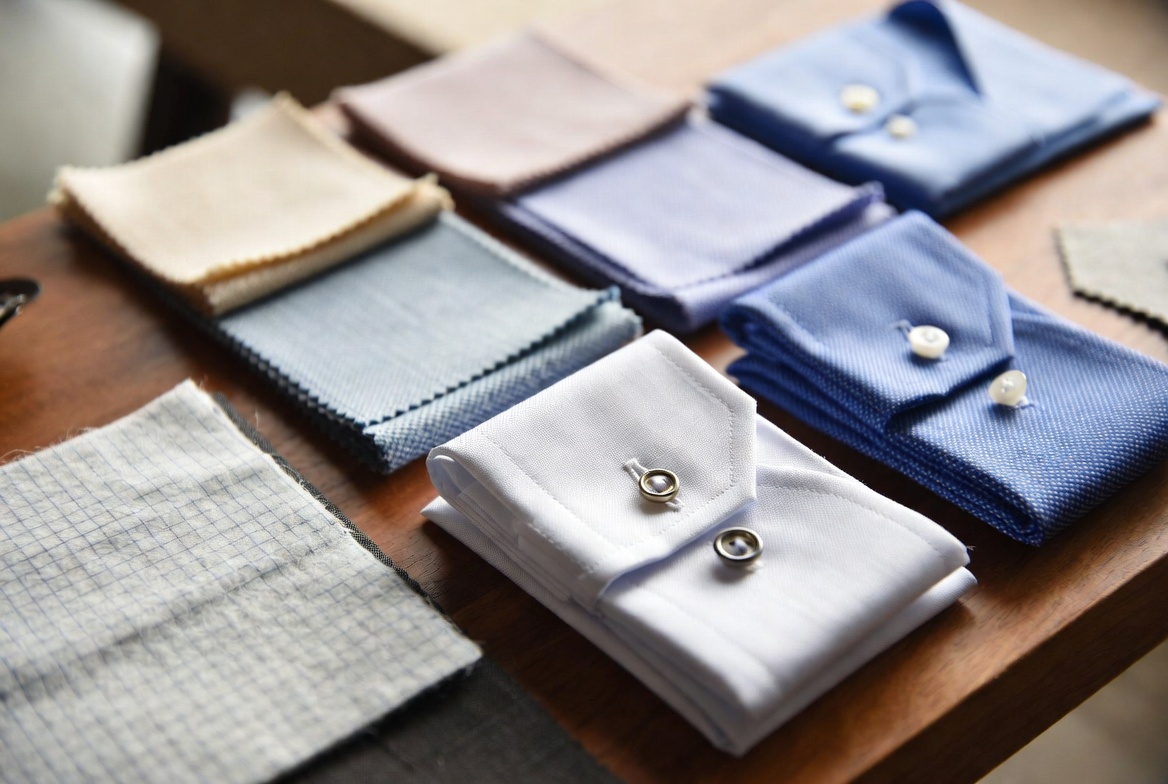
Construction quality is one of the clearest signs of a well-made shirt. Even a beautiful fabric can look weak if the stitching is uneven, the seams are puckered, or the finish is sloppy. A well-constructed shirt should have clean lines, secure stress points, and consistent seam behavior across the garment.
A practical quality checklist includes:
1. Check stitch consistency along the collar, placket, armholes, cuffs, and side seams.
2. Inspect thread trimming to ensure no loose ends remain.
3. Review stress points such as button areas and sleeve joins.
4. Compare both sides of the garment for symmetry and balance.
For premium products, buyers may also consider stitch density as a quality signal. More consistent and denser finishing often supports a cleaner appearance and stronger construction.
Cuffs and plackets are functional features, but they also contribute to the shirt's style and level of formality. A double-button cuff can feel more business-oriented, while a simpler cuff may suit more casual or versatile use cases. The placket should be stable, straight, and clean so the front body maintains a smooth look.
The best design choice depends on how the shirt will be worn:
- Formal office wear usually benefits from cleaner, more structured finishes.
- Hospitality and corporate uniforms often need stronger durability and easy maintenance.
- Fashion-led collections may accept more visible detailing for style impact.
For buyers developing a shirt line, these choices should match the end customer's use scenario rather than follow aesthetics alone.
A shirt that looks great on day one but loses shape after washing creates costly dissatisfaction. Shrinkage, fading, button damage, and seam distortion all affect how a customer judges overall value. Fabric testing, finishing selection, and care instructions should therefore be part of product planning, not an afterthought.
This is especially important for export programs, where customers may expect the garment to hold up under frequent washing or travel use. If a shirt is intended for premium office wear, easy-care performance can be a real selling point.
Modern buyers increasingly want reassurance that the shirt is safe, responsibly made, and consistent. Certifications such as OEKO-TEX-related testing and other textile safety systems can support confidence by showing that materials and components have been checked for harmful substances.
That matters because trust now extends beyond style. Retailers and brand owners often look for supplier transparency, stable production standards, and documentation that supports product claims. For a Chinese OEM supplier, this is a competitive advantage when the goal is to work with overseas brands, wholesalers, and manufacturers at scale.
One important shift is that shirt buyers now expect better all-around value, not just a handsome design. They look for easier care, more precise fit, better fabric performance, and visible quality cues that justify the price.
Another shift is that product content must educate as well as sell. Articles that explain fabric, collar, construction, and quality checks tend to build stronger buyer confidence than generic style copy. That is especially true in B2B apparel, where customers compare suppliers carefully before placing orders.
If you are sourcing shirts for a brand or wholesale program, use this simple review process:
1. Start with the end use. Decide whether the shirt is for formal wear, office wear, or fashion retail.
2. Compare fabric options. Match weave and weight to climate, price point, and care needs.
3. Inspect construction samples. Review seams, buttons, collar shape, cuffs, and placket.
4. Test fit on real bodies. Do not rely on measurements alone.
5. Check wash performance. Evaluate shrinkage, puckering, and button strength after laundering.
6. Confirm documentation. Make sure fabric composition, safety testing, and labeling are aligned.
This process helps reduce returns and improves the final customer experience. It also gives brands a clearer basis for product development discussions with their suppliers.
A reliable shirt supplier should do more than produce garments. The best partners help refine the product concept, recommend suitable materials, support quality control, and keep production consistent across repeat orders.
For international buyers, that is especially important because a shirt program often has to satisfy multiple goals at once: cost control, visual appeal, durability, fit, and delivery reliability. A strong OEM partner can help balance those priorities without sacrificing brand identity.
The best men's dress shirt is not defined by one feature. It is the result of fit, fabric, construction, collar design, trims, and care performance working together to deliver a polished and dependable product.
For brands and buyers, the smartest approach is to evaluate shirts with a clear checklist and a clear target customer in mind. If you are developing a new shirt program or upgrading an existing one, our team can help you build a product that looks sharper, performs better, and sells with more confidence.

1. What is the most important feature in a men's dress shirt?
Fit is usually the most important feature because it affects comfort, appearance, and how often the shirt gets worn. Fabric and construction come next because they shape durability and value.
2. Which fabric is best for a dress shirt?
There is no single best fabric for every use. Poplin and broadcloth suit crisp formal looks, while twill, oxford, and linen-blend options can offer more texture, comfort, or breathability.
3. How can buyers identify a high-quality shirt quickly?
Check the collar, buttons, stitching, seam finish, and overall symmetry. If these details are clean and consistent, the shirt usually signals stronger workmanship.
4. Why do shirt collars matter so much?
Collars affect the shirt's formality, visual balance, and how well it works with ties or jackets. A different collar shape can make the same shirt look completely different.
5. What should OEM buyers ask a shirt supplier?
They should ask about fabric options, sizing standards, trim quality, wash performance, production consistency, and available testing or certification support. Clear answers usually indicate a more professional supplier.
1. StudioSuits. "8 Features to Look for in a Men's Dress Shirt." [https://www.studiosuits.com/blogs/articles/8-features-look-mens-dress-shirt]
2. Jos. A. Bank Style Guide. "Dress Shirt Materials: An Introduction." [https://www.josbank.com/blog/dress-shirt-materials-an-introduction/]
3. Real Men Real Style. "Dress Shirt Fabrics Guide: 5 Essential Shirting Materials Every Man Should Know." [https://www.realmenrealstyle.com/dress-shirt-fabrics/]
4. Gentleman's Gazette. "Men's Dress Shirt Guide – Fit, Collar, Cuffs & Details." [https://www.gentlemansgazette.com/the-shirt-style-guide/]
5. Suitsupply. "The Hallmarks of a Quality Shirt." [https://suitsupply.com/en-us/journal/the-hallmarks-of-a-quality-shirt.html]
6. Tetra Inspection. "Garment & Textile Inspection Checklist for Quality Control." [https://tetrainspection.com/textile-inspection-checklist/]
7. OEKO-TEX information pages on textile safety and certification, including third-party certification descriptions. [https://thygesenapparel.com/blog/oeko-tex-certified/] and [https://www.qforquinn.com/blogs/news/what-is-oeko-tex-certified]


