
Views: 268 Author: Youti Clothing Publish Time: 2026-06-29 Origin: Site


Content Menu
● How We Evaluate Womens Workwear Manufacturers
● Why Source Womens Workwear from China in 2026?
● Key Technical Considerations for Womens Workwear
● Transparent Selection Criteria for This Top 10 List
● Top 10 Womens Workwear Manufacturers in China (2026)
>> 1. Shanghai Youti Clothing Co., Ltd. (Shanghai)
>> 2. Leading Industrial Workwear Group (North China Cluster)
>> 3. Coastal Uniform & PPE Manufacturers (Eastern China)
>> 4. Southern China Fashion‑Workwear Hybrids (Guangdong)
>> 5. Specialist Women's Clothing Factories with OEM Focus
>> 6. Large‑Scale Uniform Platforms Serving State‑Owned and Corporate Clients
>> 7. Healthcare and Hospitality Uniform Specialists
>> 8. Export‑Oriented SME Workwear Factories
>> 9. E‑Commerce‑Friendly OEM Factories
>> 10. Integrated Formalwear and Workwear Producers
● Comparative Snapshot of Key Supplier Types
● Common Sourcing Pitfalls in Womens Workwear – And How to Avoid Them
● Internal Anti‑Pitfall Guideline Rarely Shared Publicly
● Buyer's Guide: Verifying Factories, Sampling, and Logistics
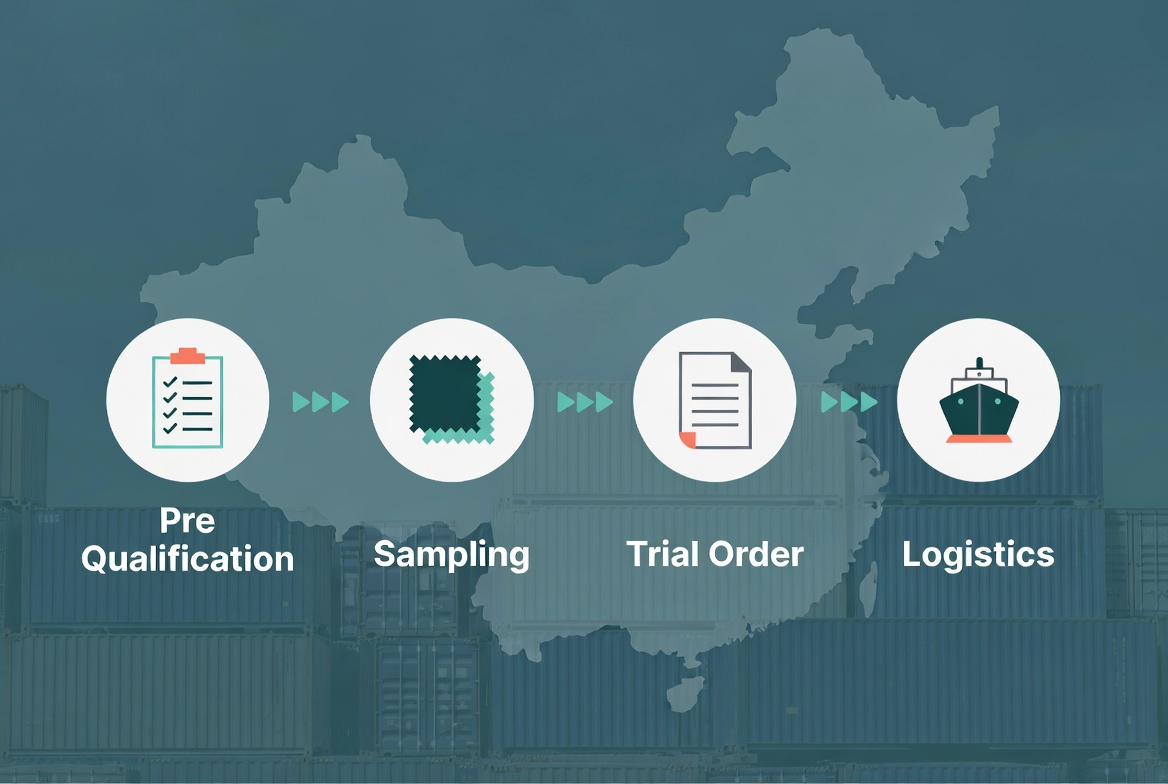
>> Step 1: Desktop Research and Pre‑Qualification
>> Step 2: Sampling and Fit Approval
>> Step 3: Trial Orders and QC
>> Step 4: Logistics and Customs
● Conclusion and Call to Action
● FAQ: Advanced Questions from Real Buyers
China has become one of the most important sourcing bases for womens workwear thanks to its complete textile supply chain, mature industrial clusters, and steadily growing domestic apparel market. For procurement managers seeking long‑term OEM partners, China offers a wide spectrum of suppliers from high‑volume uniform factories to agile, design‑driven studios. [b2bdata.baidu]
When selecting the top womens workwear manufacturers in China, we applied criteria that align with how professional buyers typically assess strategic suppliers. [chinadirectsource]
- Certifications and compliance: Priority to factories with ISO 9001 quality systems and social audits such as BSCI or equivalent. [seller.alibaba]
- R&D and pattern development: Dedicated design/sampling teams capable of women‑specific pattern grading, fit optimization, and size‑run consistency. [b2bdata.baidu]
- QC and process control: Multi‑stage inspections, documented SOPs, and traceability from fabric lot to finished garment. [seller.alibaba]
- Capacity and lead time: Stable monthly output, clear line planning, typical lead times of 45–60 days for bulk orders, and realistic MOQs by style/color. [chillcarts]
- Export experience and markets: Proven track record in Europe, North America, or other regulated markets where EN/ISO norms and REACH compliance are required. [deepmarketinsights]
- OEM/ODM capability: Ability to work from tech packs, reference samples, or co‑develop collections, including logo/branding customization. [b2bdata.baidu]
This article focuses on factories with demonstrable strengths in women's uniforms, officewear, and professional apparel rather than generic fashion only. [b2bdata.baidu]
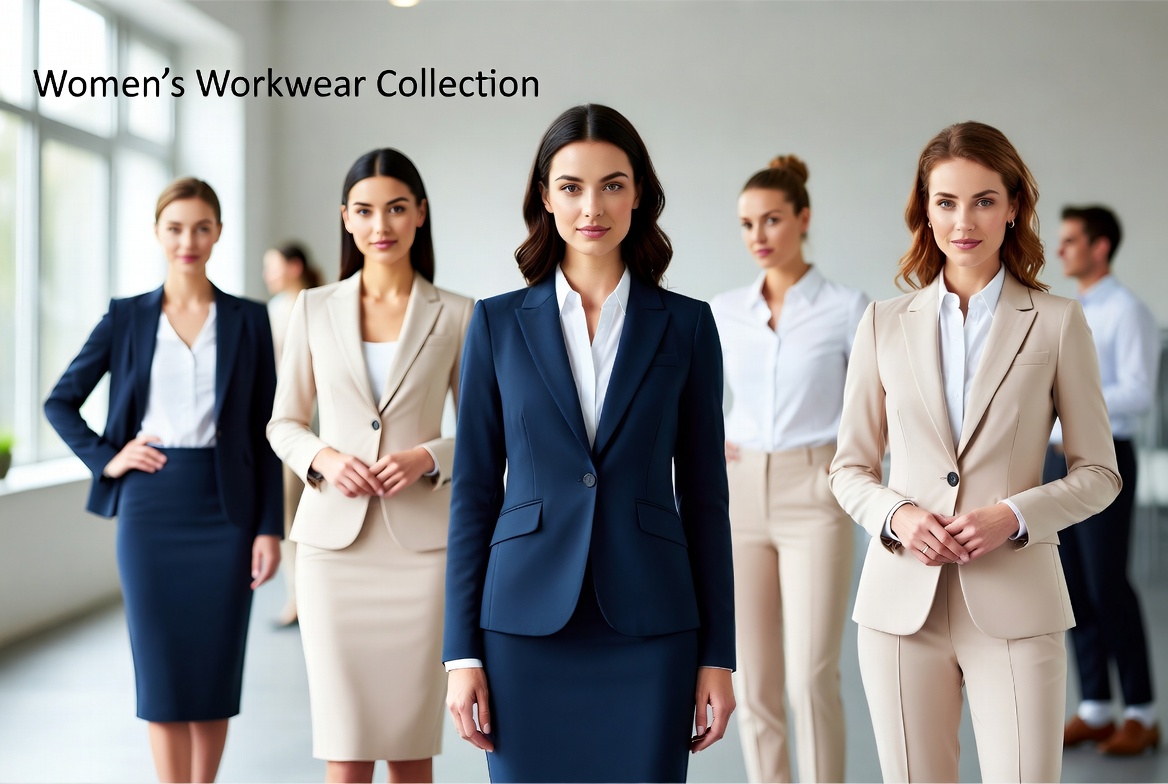
China's womens workwear segment continues to expand, driven by both domestic demand and export growth. [statista]
- Market growth: China's women's workwear market was valued at around USD 3.7 billion in 2025 and is projected to reach roughly USD 6.5 billion by 2034, with a CAGR above 6.5% between 2026–2034. [deepmarketinsights]
- Industrial clusters: Apparel and workwear manufacturing are concentrated in key clusters such as the Yangtze River Delta (Shanghai, Zhejiang, Jiangsu) and the Pearl River Delta (Guangdong), providing dense ecosystems of fabric mills, trim suppliers, and logistics providers. [disfold]
For womens workwear specifically, this cluster effect means buyers can source fabrics, trims, and garments in one tightly integrated supply chain, reducing lead times and coordination costs. [chinadirectsource]
Professional womens workwear must balance comfort, aesthetics, compliance, and lifecycle cost. [deepmarketinsights]
- Fabric selection: Common options include poly‑cotton blends for durability and easy care, stretch woven fabrics for tailored fits, and performance blends with moisture‑management or anti‑static properties. [youtube]
- Standards and certifications: For industrial workwear, buyers often reference EN ISO 11612 (heat/flame), EN1149 (anti‑static), or equivalent standards in addition to ISO 9001 quality systems and REACH chemical compliance. [seller.alibaba]
- Women‑specific patterning: Dedicated women's blocks (rather than resized men's patterns) are critical to ensure comfort, range of motion, and professional appearance across size ranges. [chillcarts]
When evaluating suppliers, procurement teams should request detailed fabric specs, test reports, and size charts specifically tailored for women's workwear programs. [chinadirectsource]
To keep this list practical and credible for B2B buyers, we applied a weighted scoring framework combining public data and typical sourcing benchmarks. [disfold]
- Data sources: Public supplier rankings, industry databases, apparel company listings, and sourcing‑oriented content focused on workwear and apparel manufacturing in China. [zoominfo]
- Weighting: Approximate weighting included 25% certifications & compliance, 25% export experience, 20% capacity & lead time, 15% R&D/ODM capability, and 15% buyer‑friendliness (communication, flexibility, and MOQs). [b2bdata.baidu]
Shanghai Youti Clothing Co., Ltd. is included as a representative example of a mid‑size, high‑value supplier focused on flexible OEM/ODM for small and mid‑tier brands.
The companies below are representative of leading players in uniforms and womens workwear, spanning large industrial workwear producers, specialist uniform factories, and agile OEM/ODM partners. [b2bdata.baidu]
Shanghai Youti Clothing Co., Ltd. is a mid‑size apparel manufacturer founded in 2018 with a clear focus on formalwear and workwear, including uniforms and work clothes for both men and women. The company operates 15 assembly lines with more than 30 automated machines, six automated production chains, and an annual output exceeding 3 million pieces.
Youti holds ISO 9001, BSCI, REACH, EN1149‑5, and EN ISO 11612 certifications, making it suitable for buyers requiring consistent quality and basic protective features in womens workwear. Its primary export markets are Europe, North America, and Oceania, with growing business in South America and Southeast Asia, and annual revenue in the 5–10 million USD range.
From an OEM perspective, Youti supports customers who send tech packs, photos, or samples, and offers over 500 ready‑made designs, with sampling lead times of about 10–15 days and mass production lead times of 45–60 days. For womens workwear buyers, this combination of structured project management, rapid prototyping, and flexible branding (embroidery/printing) makes Youti especially attractive for small to mid‑sized brands and distributors that value communication and iterative development.
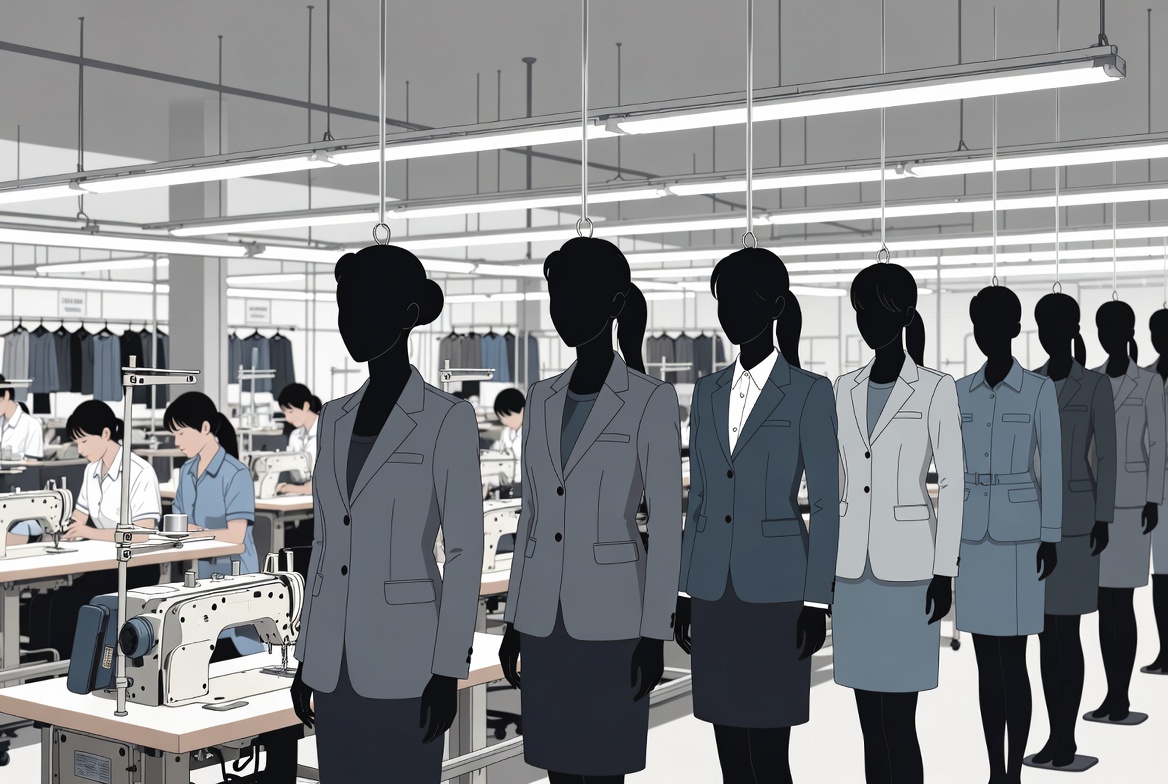
Based on industrial rankings, several North China manufacturers specialize in heavy‑duty work clothes and protective garments, providing large‑scale capacity and extensive domestic distribution. These companies typically focus on coveralls, safety uniforms, and industrial jackets, and can often adapt their patterns for women's sizes and fits when requested. [youtube]
Their strengths include strong domestic reputations, extensive experience with industrial certifications, and well‑established relationships with local fabric mills. However, buyers should confirm women‑specific patterning capacity, as many factories historically focused on unisex or male‑oriented workwear. [youtube]
In coastal regions like Jiangsu and Zhejiang, several manufacturers combine uniforms and PPE production with export‑ready processes. These factories often supply corporate uniforms, hospitality wear, and healthcare garments, which include womens officewear, tunics, and lab coats. [disfold]
Their core advantages include proximity to major ports, strong logistics partners, and familiarity with European and North American compliance requirements. Many offer flexible MOQs for program launches, but they may prioritize larger contracts during peak seasons, so capacity planning with long‑term forecasts is essential. [b2bdata.baidu]
In the Pearl River Delta, some womens tops and fashion manufacturers have expanded into semi‑formal and corporate workwear segments. These suppliers are strong in light woven blouses, knit tops, and dresses suited to office environments or retail uniforms. [chillcarts]
Their design teams typically follow fast‑fashion cycles, which can be leveraged by brands aiming to update womens workwear collections more frequently while maintaining cohesive brand identity. Buyers should evaluate each factory's understanding of workwear durability, care performance, and uniformity across repeat orders, as these differ from pure fashion requirements. [chinadirectsource]
Some specialist women's clothing manufacturers position themselves primarily as OEM partners for international brands, with advanced pattern‑making and grading capabilities. These suppliers are particularly suitable for tailored womens suits, skirts, and structured dresses in corporate environments. [deepmarketinsights]
They often operate smaller MOQs, enabling pilot programs or limited runs for new markets, while still providing industrial‑grade QC. However, buyers should verify whether these factories can meet specific workwear standards (such as anti‑wrinkle performance, colorfastness to washing, and seam strength) that go beyond standard fashion apparel. [seller.alibaba]
Certain large Chinese uniform platforms manufacture for government agencies, state‑owned enterprises, and large corporations, covering both male and female staff. These players focus on consistency, long‑term contracts, and nationwide distribution, with extensive experience in corporate identity and large‑scale rollouts. [zoominfo]
Their strengths for womens workwear include robust supply planning, spare capacity for replenishment orders, and tried‑and‑tested patterns for various roles (office, field, customer‑facing). On the other hand, they may have higher MOQs and be less flexible with complex customization for smaller brands. [b2bdata.baidu]
A distinct category comprises manufacturers focused on healthcare and hospitality uniforms, including nurses' uniforms, housekeeping garments, and front‑of‑house outfits, where womens workwear forms a substantial portion of volume. These factories understand requirements like stain resistance, frequent laundering, and hygienic design, which are critical in these segments. [deepmarketinsights]
They also tend to offer coordinated collections (tops, trousers, dresses, aprons) designed specifically for female staff, with sizing and fit patterns refined over repeated deployments. Buyers must confirm which certifications (e.g., antimicrobial finishes, specific hospital norms) are supported and whether test reports are current and third‑party verified. [chillcarts]
Beyond large enterprises, China has many small‑ and medium‑sized workwear manufacturers that are export‑oriented and flexible in terms of product mix. These SMEs often provide womens workwear as part of broader uniform collections and are open to co‑developing collections with overseas buyers. [chinadirectsource]
Advantages for buyers include more direct communication, quicker decision‑making, and the willingness to experiment with new fabrics or cuts for womens lines. The trade‑off is that documentation and project management may vary, so buyers should put more emphasis on structured agreements and clear QC protocols. [seller.alibaba]
Some Chinese apparel manufacturers are heavily integrated into e‑commerce and dropshipping ecosystems, supporting smaller batches and frequent style updates. For womens workwear brands operating online, these partners can shorten product development cycles and support replenishment based on real‑time sales data. [b2bdata.baidu]
However, not all e‑commerce‑oriented suppliers are equipped for long‑term, standardized workwear programs, which require consistent fabrics, trims, and reproducibility over multiple seasons. Procurement managers should distinguish between fashion‑oriented sellers and those with documented experience in uniform and corporate programs. [youtube]
Finally, a number of integrated formalwear manufacturers in China produce suits, shirts, trousers, and jackets that transition between formalwear and workwear applications. These factories often supply both retail brands and corporate clients, making them suitable for womens officewear collections that must align with broader brand aesthetics. [disfold]
They typically maintain a clear product portfolio and can provide one‑stop solutions: design support, fabric sourcing, sampling, and bulk production across related categories. For buyers managing multi‑category womens workwear programs (e.g., office suits plus casual jackets), such integrated suppliers can reduce coordination complexity. [deepmarketinsights]
Below is a high‑level comparison of supplier archetypes relevant to womens workwear, including Shanghai Youti Clothing Co., Ltd. as a concrete reference. [b2bdata.baidu]
| Supplier Type / Example | Typical Annual Capacity | Typical MOQ (per style/color) | Key Certifications | OEM/ODM Strengths |
|---|---|---|---|---|
| Mid‑size formal & workwear factory (e.g., Shanghai Youti) | Approx. 3M pieces per year, 15 lines. | Often 200–500 pcs per color depending on style. | ISO 9001, BSCI, REACH, EN1149‑5, EN ISO 11612 (varies by style). | Strong OEM via tech packs/samples, 500+ ready designs; good for SMEs and mid‑tier brands. |
| Large industrial workwear group | Tens of millions of pieces, multiple plants. (b2bdata.baidu) | 1,000+ pcs per color; optimized for big contracts. (b2bdata.baidu) | ISO 9001; often EN norms for industrial PPE. (seller.alibaba) | Strong for standardized programs, less flexible on small runs. (chinadirectsource) |
| Fashion‑workwear hybrid (Guangdong) | Several hundred thousand to a few million pieces. (b2bdata.baidu) | 100–300 pcs per color; more flexible for styles. (chillcarts) | ISO 9001 or equivalent varies; focus on fashion compliance. (seller.alibaba) | Strong design/ODM, good for stylish officewear, must verify durability. (chinadirectsource) |
| Healthcare/hospitality specialist | Hundreds of thousands to multimillion depending on focus. (deepmarketinsights) | 300–800 pcs per color; often program‑driven. (chinadirectsource) | Healthcare‑specific norms, ISO 9001; sometimes additional hygiene tests. (seller.alibaba) | Deep understanding of laundering, hygiene, and fit for female staff. (deepmarketinsights) |
| E‑commerce‑friendly OEM | Wide range; often smaller factories with flexible capacity. (b2bdata.baidu) | 50–200 pcs per color; suitable for pilot runs. (chillcarts) | Basic factory audits, ISO where available. (seller.alibaba) | Fast sampling and style updates; check consistency for long‑term uniforms. (chinadirectsource) |
Sourcing womens workwear from China offers significant cost and flexibility advantages, but experienced buyers recognize recurring pitfalls. [youtube]
- Fabric downgrades and spec drift: Some suppliers may switch to cheaper fabrics with different weights or finishes over time if specifications are not tightly controlled. Mitigation: lock fabric specs in contracts, request fabric lot approvals, and run incoming fabric tests periodically. [seller.alibaba]
- "Unisex" pattern shortcuts: Factories without strong womens pattern expertise may simply grade down male patterns, leading to poor fit and higher return rates. Mitigation: insist on fit samples across multiple women's sizes and require graded measurement charts before bulk production. [b2bdata.baidu]
- Non‑transparent subcontracting: During peak seasons, some factories outsource orders to smaller workshops without notifying buyers, increasing variability. Mitigation: include subcontracting clauses in contracts, and conduct periodic on‑site or third‑party audits. [chinadirectsource]
An "internal" rule many seasoned sourcing managers follow—but rarely publish—is to re‑validate both fabric and trims at least once every two or three repeat orders, even with long‑term partners, to catch gradual drift in suppliers' upstream sourcing. This simple control often prevents quality decline that might otherwise only show up via end‑user complaints. [youtube]
One well‑known internal practice among experienced buyers is the "shadow spec" approach. [chinadirectsource]
Instead of relying solely on the supplier's test reports, buyers maintain their own minimal internal spec thresholds (e.g., colorfastness, tear strength, shrinkage) and periodically send random garments to independent labs without informing the factory of timing. When discrepancies appear, they open a structured CAPA (Corrective Action and Preventive Action) process with the factory, which keeps both sides aligned and discourages quiet spec erosion over time. [seller.alibaba]
This is particularly effective for womens workwear where comfort and appearance heavily affect brand perception and staff satisfaction.
A structured sourcing process lowers risk and increases the chance of building successful long‑term partnerships. [seller.alibaba]
- Cross‑check suppliers on multiple platforms and databases to confirm registration details, main products, and export focus. [zoominfo]
- Review certifications and ask for digital copies of ISO, BSCI, and relevant EN/REACH reports; verify issuing bodies and expiry dates via official or accredited websites. [chinadirectsource]
- Start with detailed tech packs, including target fabric compositions, GSM, colors, and finishing requirements for womens workwear. [seller.alibaba]
- Request 2–3 size sets for womens sizes to validate fit, grading, and ease of movement under realistic work conditions before confirming bulk orders. [b2bdata.baidu]
- Use a pilot order to test not only product quality but communication, documentation, and responsiveness to change requests. [b2bdata.baidu]
- Engage third‑party inspection companies for pre‑shipment checks, especially on first and second orders, to verify measurements, workmanship, and packaging. [youtube]
- Align Incoterms (FOB, CIF, DAP) and ensure clarity on who manages freight, insurance, and customs clearance. [deepmarketinsights]
- For time‑sensitive rollouts, build in buffer lead times and align factory production schedules with sailing or airfreight availability from major Chinese ports. [b2bdata.baidu]
China remains a strategic sourcing hub for womens workwear, combining extensive industrial capacity with an increasingly sophisticated understanding of womens fit, compliance, and brand requirements. For procurement managers, the key is less about finding a single "perfect" factory and more about selecting the right mix of partners—large industrial players, specialized womens workwear factories, and flexible OEMs like Shanghai Youti Clothing Co., Ltd.—that align with your portfolio, risk tolerance, and growth plans. [disfold]
If you are planning or re‑evaluating a womens workwear program, consider starting with a structured shortlist, issuing detailed RFQs and tech packs, and running pilot programs with 2–3 carefully selected factories before committing to long‑term contracts. Shanghai Youti Clothing Co., Ltd. offers an example of a flexible, mid‑size partner that can support small and medium brands with end‑to‑end OEM/ODM services, from fabric selection and sampling to scaled production for global markets. [chinadirectsource]
These frequently asked questions reflect the concerns of experienced procurement managers rather than first‑time buyers. [chinadirectsource]
1. How can I verify whether a factory's ISO 9001 certificate is still valid?
Request a digital copy of the certificate, identify the certifying body, and cross‑check the certificate number and expiry date on the certification body's official website or accredited databases. If the certifier is not recognized by national accreditation bodies or international networks, treat this as a red flag and consider additional audits. [seller.alibaba]
2. What is the best way to confirm that a factory really understands womens fit rather than just resizing men's workwear?
Ask for womens‑specific fit blocks, graded measurement charts, and historical womens workwear projects, then evaluate fit samples across multiple body types and roles. If possible, involve end‑users in wear tests and monitor feedback on comfort, mobility, and confidence when wearing the garments. [chillcarts]
3. How can I ensure that REACH or similar chemical compliance is genuinely implemented, not only on paper?
In addition to supplier declarations and lab reports, conduct random testing of finished garments through independent labs, especially for dyes and finishes. Build compliance clauses into contracts that link non‑compliance to remediation plans or penalties, and maintain an updated restricted substances list (RSL). [chinadirectsource]
4. What are realistic lead times for womens workwear orders from China, and how can I reduce delays?
Typical lead times range from 45–60 days for bulk production after sample approval, plus shipping time, for structured womens workwear such as suits or uniforms. To reduce delays, finalize tech packs early, avoid frequent last‑minute changes, and align forecast sharing with suppliers so fabric procurement and line planning can start earlier. [chinadirectsource]
5. How should I structure long‑term agreements to maintain consistent quality over multiple seasons?
Multi‑year framework agreements with built‑in price reviews, quality KPIs, and periodic lab testing help maintain consistency. Include clear change‑management processes (for fabric or trims), CAPA requirements when issues arise, and annual joint reviews of performance and improvement plans. [youtube]
- Market data: Market insight reports on China's women's workwear or broader women's apparel market, which provide revenue estimates, growth rates, segment shares (e.g., shirts, dresses), and regional outlook. [statista]
- Policy and trade information: Government export statistics and industry association publications can highlight key export destinations, tariff changes, and compliance expectations for apparel and workwear. [deepmarketinsights]


